Ten Fascinating Facts About Three-Striped Box Turtles That Will Amaze You!
The three-striped box turtle (Trachemys scripta triunguis) is a species of freshwater turtle native to parts of the United States and Mexico. These small but resilient creatures have captivated the hearts of many with their unique appearance and fascinating behaviors. Here are ten fascinating facts about three-striped box turtles that will leave you amazed.
1. Distinctive Stripes and Coloration
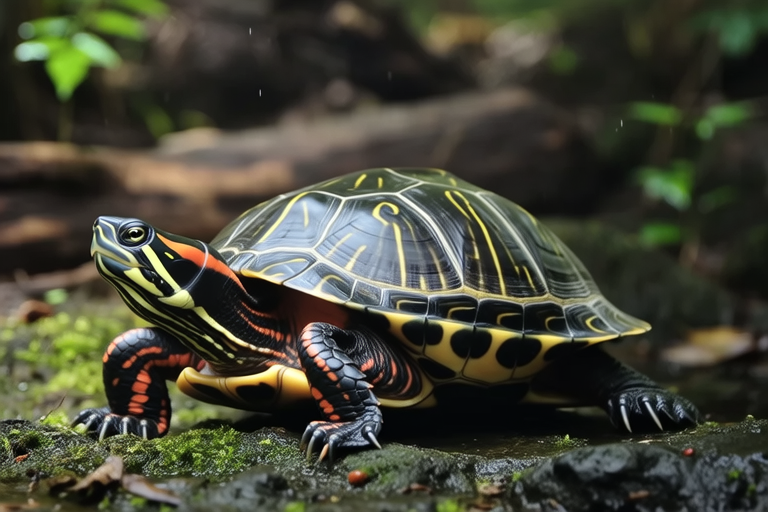
As their name suggests, three-striped box turtles have three distinct yellow stripes on their dark brown or black shells. These markings are not just for show; they help the turtle blend into its environment, offering camouflage from predators. The shell, or carapace, is domed and hinged, allowing the turtle to close itself completely inside when threatened, providing excellent protection. This ability to seal off the body cavity is one of the defining features of box turtles.
2. Habitat Preferences
Three-striped box turtles thrive in humid environments such as swamps, marshes, and damp woodlands. They prefer areas with abundant vegetation, which provides both food and shelter. Their habitats often include shallow bodies of water where they can swim and bask on sunny days. Despite their preference for moisture, these turtles are well-adapted to semi-arid conditions and can be found in regions with less frequent rainfall. Their adaptability allows them to inhabit a wide range of environments within their geographic distribution.
3. Omnivorous Diet
These turtles are opportunistic omnivores, meaning they eat both plant and animal matter. Their diet includes a variety of foods such as fruits, vegetables, insects, worms, and even small amphibians. Younger turtles tend to consume more protein-rich foods like insects and snails, while adults shift towards a more vegetarian diet, including berries, mushrooms, and other plant material. This diverse diet contributes to their robust health and longevity.
4. Longevity and Slow Growth
Three-striped box turtles are known for their remarkable lifespan, often living over 30 years in the wild. In captivity, they can live even longer, with some individuals reaching up to 50 years. However, their growth rate is relatively slow, with females taking several years to reach sexual maturity. This slow pace of development is common among reptiles and helps them conserve energy in environments where resources may be limited.
5. Unique Courtship Rituals
During the breeding season, male three-striped box turtles engage in elaborate courtship rituals to attract females. These rituals involve head bobbing, nipping at the female’s legs, and sometimes even chasing her. Once a female is receptive, mating occurs. Afterward, she lays a clutch of eggs in a nest dug in soft soil, typically near water sources. The incubation period lasts about two months, during which time the eggs develop into hatchlings.
6. Hibernation Behavior
In response to colder temperatures, three-striped box turtles enter a state of dormancy known as brumation. Unlike hibernation in mammals, where metabolism slows down significantly, brumation involves periods of activity interspersed with deep sleep. During this time, the turtles seek out underground burrows or underwater locations to avoid freezing temperatures. This adaptation ensures their survival through harsh winter months.
7. Thermoregulation Techniques
Like all reptiles, three-striped box turtles rely on external heat sources to regulate their body temperature. They bask in the sun to warm themselves and retreat to shaded areas or water to cool down. This behavior is crucial for their digestion and overall health, as it affects their metabolic processes. Understanding thermoregulation helps explain why these turtles are often seen basking on logs or rocks near water bodies.
8. Adaptations for Survival
Three-striped box turtles possess several adaptations that aid in their survival. Their strong jaws allow them to crush hard-shelled prey like snails, while their sharp claws help them dig nests and burrow into the ground. Additionally, their flexible necks enable them to retract their heads and limbs completely into their shells, making them nearly invulnerable to most predators. These physical attributes contribute to their resilience in the face of environmental challenges.
9. Conservation Status
Despite their widespread distribution, three-striped box turtles face threats from habitat loss, pollution, and illegal collection for the pet trade. As a result, their populations have declined in certain areas. Efforts are being made to protect these turtles through conservation programs and legislation aimed at preserving their natural habitats. Awareness campaigns also play a vital role in educating the public about the importance of protecting these fascinating creatures.
10. Cultural Significance
Three-striped box turtles hold cultural significance in various communities, particularly among indigenous peoples who have long revered them for their medicinal properties and symbolic meanings. In some traditions, these turtles are associated with wisdom and longevity due to their long lifespans. Their presence in folklore and art underscores the deep connection between humans and nature, highlighting the importance of conserving biodiversity.
In conclusion, three-striped box turtles are truly remarkable creatures with many unique traits and behaviors. From their distinctive markings to their adaptive survival strategies, these turtles continue to fascinate scientists and nature enthusiasts alike. By learning more about them, we can better appreciate their role in ecosystems and work towards ensuring their continued existence for future generations.
