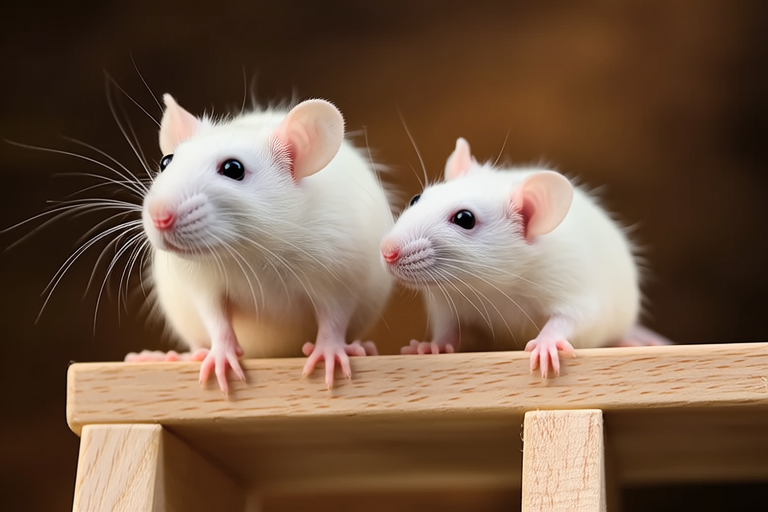
The Secret Language of Fancy Rats: Understanding Their Behavior
Fancy rats, also known as laboratory or domesticated rats, are intelligent and social creatures that have become increasingly popular as pets over the years. These rodents, descended from wild brown rats, exhibit a wide range of behaviors that reveal much about their emotions and needs. By learning to read these signals, owners can provide better care and foster stronger bonds with their furry companions.
Introduction to Fancy Rats
Fancy rats are highly adaptable and thrive in environments that cater to their social nature. They are known for their intelligence, curiosity, and ability to form strong bonds with humans. These traits make them ideal pets for those seeking companionship and a challenge in training and enrichment activities. Despite their small size, fancy rats require significant attention and stimulation to maintain their physical and mental health.
Understanding Rat Body Language
Tail Wagging
One of the most noticeable behaviors in fancy rats is tail wagging. Unlike dogs, whose wagging tails indicate excitement or happiness, a rat’s wagging tail serves a different purpose. It is often a sign of alertness or arousal, indicating that the rat is aware of its surroundings and may be curious about something new. This behavior can also signal stress or discomfort if the rat is in an unfamiliar or threatening environment.
Bruxism
Bruxism, or teeth grinding, is another common behavior observed in fancy rats. While it may seem alarming to pet owners, bruxism is usually a sign of contentment. When rats grind their teeth, they produce a soft, almost purring sound. This behavior helps them relax and feel secure, especially when they are comfortable and at ease. However, excessive grinding might indicate pain or distress, so it is essential to monitor your rat’s overall demeanor.
Vocalizations
Rats communicate through various vocalizations, many of which are beyond the human hearing range. They emit ultrasonic sounds to convey messages to other rats, such as marking territory or attracting mates. Although these sounds are inaudible to humans, they play a crucial role in rat communication. Owners can observe changes in their rat’s behavior and activity levels to infer the presence of these ultrasonic calls.
In addition to ultrasonic sounds, rats also make audible squeaks and chirps. These vocalizations can serve different purposes depending on the context. For example, a high-pitched squeak might indicate excitement or fear, while a lower-pitched chirp could be a sign of contentment or a call for attention. Learning to differentiate between these sounds can help owners respond appropriately to their rat’s needs.
Interpreting Signals for Better Care
To provide the best care for your fancy rat, it is vital to understand the subtle cues they give off. Observing their body language and vocalizations can offer insights into their emotional state and physical health. For instance, a rat that is constantly hiding or avoiding interaction might be feeling stressed or unwell, signaling the need for a quieter environment or veterinary attention.
Owners should also pay attention to changes in appetite, grooming habits, and activity levels. A healthy rat will typically eat regularly, groom itself, and explore its surroundings with enthusiasm. Any deviations from these normal behaviors could indicate underlying issues that require prompt attention.
Fostering Positive Interactions and Enriched Environments
Creating a stimulating and enriching environment is key to ensuring your fancy rat’s well-being. Providing toys, tunnels, and climbing structures can encourage physical exercise and mental engagement. Interactive play sessions, where you engage with your rat through gentle handling and positive reinforcement, can strengthen the bond between you and your pet.
Socialization is equally important for fancy rats. These animals are highly social and enjoy the company of both humans and other rats. Introducing your rat to new people or animals gradually and under controlled conditions can help them develop confidence and adaptability. Additionally, housing multiple rats together can promote social interaction and reduce feelings of loneliness.
Finally, maintaining a clean and hygienic living space is crucial for preventing health issues. Regular cleaning of the cage and providing fresh bedding can prevent the buildup of harmful bacteria and parasites. Ensuring access to clean water and a balanced diet rich in proteins, fats, and carbohydrates can also contribute to your rat’s overall health and longevity.
Conclusion
The secret language of fancy rats lies in their body language and vocalizations, offering valuable insights into their emotions and needs. By understanding and interpreting these signals, owners can provide better care and foster positive interactions. Creating an enriched environment that encourages physical exercise, mental engagement, and social interaction can lead to a happier and healthier life for your pet. With patience, observation, and love, you can build a strong and meaningful bond with your fancy rat.
