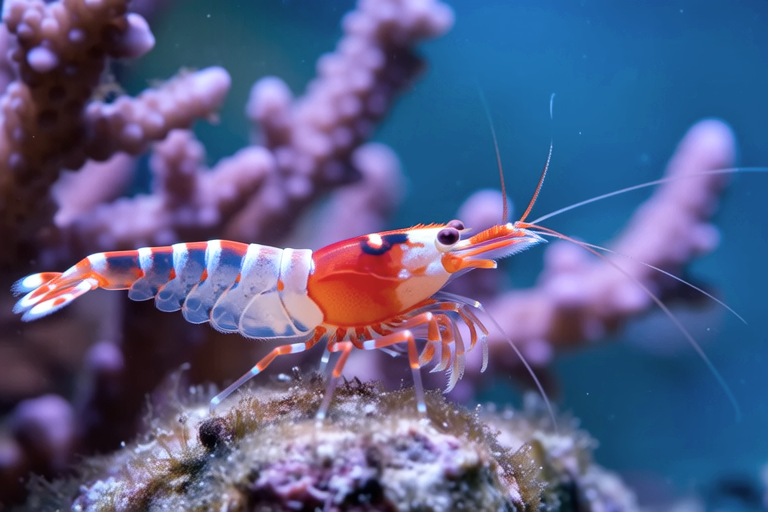
Step-by-Step Guide to Keeping Coral Shrimp Happy and Healthy
Welcome to your comprehensive guide on keeping coral shrimp happy and healthy. Coral shrimp, scientifically known as Stenopus hispidus, are fascinating creatures that can add a vibrant touch to any saltwater aquarium. However, they have specific needs that must be met to ensure their well-being. This guide will walk you through the essential steps to set up an ideal environment, provide proper nutrition, choose compatible tank mates, and maintain a healthy aquarium.
Introduction: Understanding Coral Shrimp’s Unique Needs
Coral shrimp are small, colorful crustaceans native to the tropical waters of the Indo-Pacific region. They are known for their striking appearance, featuring bright red or yellow coloration with distinctive white spots. These shrimp are highly active and can be quite shy, often hiding during the day but becoming more active at night. Their unique behavior and appearance make them a popular choice among marine hobbyists. However, they require a specific environment to thrive, which includes stable water conditions, suitable tank mates, and a varied diet.
Optimal Tank Setup
Choosing the Right Aquarium
When setting up a tank for coral shrimp, it’s important to consider their size and activity level. A minimum tank size of 30 gallons is recommended for a small group of shrimp. The tank should have ample space for swimming and hiding. A taller tank can be beneficial as it provides more vertical swimming space.
Tank Decorations and Hiding Spots
Coral shrimp need plenty of hiding spots to feel secure. Incorporate live rock, caves, and crevices into the tank setup. Live rock not only provides shelter but also helps in maintaining a balanced ecosystem by hosting beneficial bacteria. Decorative elements like corals, sponges, and other natural structures can enhance the aesthetic appeal while offering additional hiding spots.
Substrate and Lighting
A fine-grained substrate such as aragonite sand is ideal for coral shrimp. It mimics their natural habitat and supports the growth of beneficial microorganisms. Proper lighting is crucial for simulating daylight cycles and promoting the growth of photosynthetic organisms within the tank.
Water Parameters
Temperature
Keep the water temperature between 72°F and 80°F (22°C and 27°C). A stable temperature is essential for the shrimp’s metabolism and overall health.
pH Levels
The pH should be maintained between 8.1 and 8.4. Regular testing and adjustment if necessary are key to ensuring the correct pH levels.
Water Hardness
Aim for a specific gravity of 1.023 to 1.025, which corresponds to a salinity level of about 26 to 32 ppt. This range closely matches the conditions found in their natural habitat.
Filtration Systems
Effective filtration is vital for maintaining water quality. A combination of mechanical, biological, and chemical filtration methods works best. Protein skimmers are particularly useful in removing organic waste from the water column. Ensure the filter does not produce strong currents, as these can stress the shrimp.
Appropriate Diet and Feeding Schedules
Coral shrimp are omnivorous, feeding on algae, detritus, and small invertebrates. In captivity, they can be fed a variety of foods including algae wafers, blanched vegetables, and frozen or freeze-dried foods such as brine shrimp, mysis shrimp, and bloodworms. Feed them small amounts daily, ensuring there is no excess food left in the tank to prevent water quality issues.
Tank Mates Compatibility
Choosing compatible tank mates is crucial for the well-being of coral shrimp. They generally coexist well with peaceful fish species such as clownfish, gobies, and blennies. Avoid aggressive or predatory fish that might prey on the shrimp. It’s also important to ensure that the tank mates do not compete for the same food sources.
Regular Maintenance Tasks
Performing routine maintenance tasks is essential for keeping the tank environment clean and healthy. This includes weekly water changes of about 10-15% of the total volume, regular cleaning of the tank decorations, and monitoring water parameters to ensure they remain within the desired range.
Common Health Issues and Prevention
Despite providing the best care, coral shrimp may still face health issues. Common problems include bacterial infections, fungal growth, and parasitic infestations. Regular observation and prompt action can help prevent these issues. Quarantine new additions to the tank to avoid introducing diseases. Maintaining pristine water quality and providing a balanced diet can further reduce the risk of health problems.
In conclusion, keeping coral shrimp happy and healthy requires attention to detail and consistent effort. By following this step-by-step guide, you’ll be well-equipped to create a thriving environment for these delightful creatures. Remember, patience and dedication are key in the rewarding journey of marine aquarium keeping.
