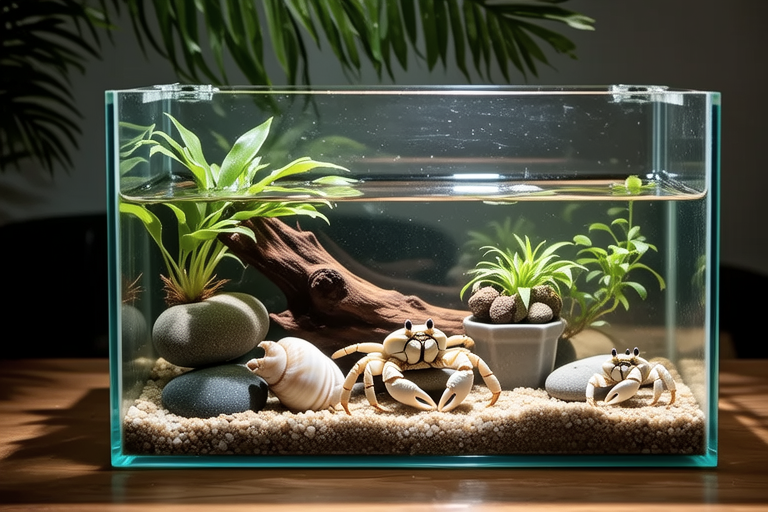
The Ultimate Checklist for New Hermit Crab Owners: Tips and Tricks
Introduction
Welcome to the fascinating world of hermit crabs! These delightful creatures offer a unique pet experience that can be both rewarding and challenging. Understanding their unique behaviors and environmental requirements is crucial for their well-being. This comprehensive guide will provide you with all the essential advice you need to ensure your hermit crabs thrive in their new home.
Setting Up the Perfect Habitat
Creating a suitable environment is the first step in becoming a responsible hermit crab owner. Here’s what you need to know:
- Choosing the Right Enclosure: Opt for a glass tank or aquarium that provides ample space for your crabs to move around comfortably. A general rule is to have at least 10 gallons of space per crab. Ensure the enclosure has a secure lid to prevent escapes.
- Substrate: Use a deep layer of sand or coconut fiber as substrate. These materials mimic the crabs’ natural environment and allow them to burrow. Avoid using gravel or other hard substrates that could cause injury.
- Temperature and Humidity: Maintain a temperature between 75-85°F (24-29°C) and humidity levels above 70%. A heat lamp or under-tank heater can help regulate temperature. Regular misting and the addition of water dishes can maintain humidity.
- Hiding Spots and Climbing Structures: Provide plenty of hiding spots and climbing structures made from safe, non-toxic materials. Driftwood, cork bark, and plastic plants are excellent choices. Ensure there are no sharp edges or chemicals that could harm your crabs.
- Shell Variety: Offer a wide selection of shells for your crabs to explore and potentially switch into. Shells should be clean, free from pesticides, and of various sizes to accommodate growth.
Dietary Needs
Hermit crabs require a balanced diet to stay healthy. Here’s how to meet their nutritional needs:
- Protein Sources: Feed your crabs a variety of protein-rich foods like freeze-dried shrimp, fish, and krill. Avoid feeding them raw meat or products containing preservatives.
- Fruits and Vegetables: Offer fresh fruits and vegetables such as apples, bananas, oranges, and leafy greens. Remove any uneaten food after a few hours to prevent mold growth.
- Vitamins and Minerals: Supplement their diet with calcium and vitamin D3 to support shell health. Crushed eggshells or calcium supplements can be added to their food.
- Water: Provide a shallow dish of dechlorinated or bottled water for drinking. Change the water daily to keep it fresh.
- Safe Treats: Occasional treats like unsalted popcorn or unsweetened dried fruits can be offered but should not form part of their regular diet.
Handling and Safety Tips
Hermit crabs are delicate creatures, and proper handling is essential to avoid stress and injury:
- Gentle Handling: Always handle your crabs gently by supporting their entire body. Avoid grabbing them by the appendages or shell. If they are reluctant to come out of their shell, give them time and patience.
- Handling Frequency: Limit handling to necessary interactions only. Excessive handling can cause stress and disrupt their natural behaviors.
- Environmental Safety: Ensure your home environment is safe for your crabs. Keep them away from drafts, direct sunlight, and areas with strong odors.
- Travel Considerations: If you need to transport your crabs, do so in a ventilated container with appropriate substrate and water. Avoid exposing them to extreme temperatures during transit.
Common Health Issues
Being aware of potential health problems can help you address issues promptly:
- Shell Rot: This condition occurs when bacteria or fungi attack the shell. Clean affected shells with a weak bleach solution and replace them with new ones.
- Breathing Problems: Respiratory issues may indicate poor air quality or dehydration. Ensure proper ventilation and hydration to prevent these problems.
- Molting: During molting, hermit crabs become vulnerable and require extra care. Provide a safe, quiet environment and ensure they have access to additional calcium sources.
- Injuries: Minor injuries can occur from fighting or environmental hazards. Monitor your crabs closely and address any wounds immediately to prevent infection.
- Parasites: Parasitic infections can be introduced through contaminated food or water. Regularly clean and disinfect their enclosure and supplies to prevent outbreaks.
Enrichment Activities
To keep your hermit crabs mentally stimulated and physically active, consider these enrichment ideas:
- Rotating Toys: Introduce different toys and structures periodically to keep the environment interesting. Rotate items every few weeks to prevent boredom.
- Foraging: Hide food within the substrate or create foraging stations to encourage natural hunting behavior.
- Social Interaction: If you have multiple crabs, observe their social dynamics and provide opportunities for interaction. However, be cautious of aggressive behaviors.
- Exploration: Create exploration paths within the enclosure using tunnels or bridges. This encourages physical activity and mental engagement.
- Training: While hermit crabs can’t be trained like dogs, you can teach them simple tasks like coming to a specific area for feeding. Use positive reinforcement with treats and praise.
Conclusion
Raising hermit crabs is a rewarding experience that requires dedication and knowledge. By following this comprehensive checklist, you’ll be well-equipped to provide a happy and healthy environment for your new pets. Remember, each hermit crab is unique, so pay close attention to their individual behaviors and preferences. With proper care and attention, your hermit crabs will bring joy and fascination to your home for years to come.
