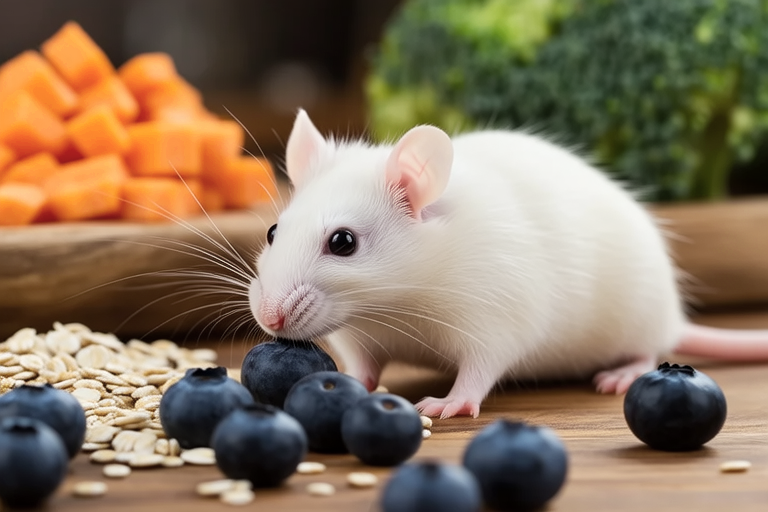
Secrets to a Healthy Diet for Your Lively and Curious Fancy Rat
Fancy rats are lively, curious creatures that bring joy and companionship to many homes. As responsible pet owners, it’s crucial to understand the nutritional needs of these small mammals to ensure they live long, healthy lives. A well-balanced diet is key to keeping your fancy rat active, happy, and full of energy. This article will guide you through the essentials of feeding your fancy rat, from understanding the right nutrients to recognizing signs of malnutrition.
Essential Nutrients for Fancy Rats
Your fancy rat requires a variety of nutrients to thrive. These include proteins, fats, carbohydrates, vitamins, and minerals. Proteins are vital for muscle development and repair, while fats provide energy and support cell function. Carbohydrates supply quick energy, and vitamins and minerals are crucial for overall health and immune system function. Ensure that your rat’s diet includes a mix of these nutrients to promote optimal health.
Recommended Portion Sizes
Overfeeding can lead to obesity, which is a common issue among fancy rats. It’s important to monitor portion sizes carefully. Generally, a tablespoon of pellets per day is sufficient for an adult rat, along with a small amount of fresh vegetables and fruits. Adjust portions based on your rat’s age, weight, and activity level, always consulting with a veterinarian if unsure.
The Importance of Fresh Water
Water is essential for life. Always provide fresh, clean water daily, as dehydration can be fatal. Use a sipper bottle designed for small animals, ensuring it is placed at an angle so your rat can easily access it. Clean the bottle regularly to avoid bacterial growth.
Safe Vegetables and Fruits
Vegetables and fruits are excellent sources of vitamins and minerals. Safe choices for fancy rats include dark leafy greens like spinach and kale, carrots, bell peppers, and apples. However, introduce new foods gradually to avoid digestive upset. Avoid high-sugar fruits like bananas and grapes, as they can cause obesity and other health issues.
Dangers of Human Food
Many human foods are toxic to rats. Chocolate, caffeine, alcohol, and avocado are particularly dangerous. Even seemingly harmless foods like bread and cheese can cause digestive problems. Stick to a diet specifically designed for rats to avoid accidental poisoning or illness.
Homemade Diets
If you prefer to prepare your rat’s meals, consider a balanced homemade diet. Mix dry ingredients such as grains, seeds, and legumes with fresh vegetables and fruits. Ensure the diet includes a good balance of proteins, fats, and carbohydrates. Consult a veterinarian or animal nutritionist to create a diet plan that meets your rat’s specific needs.
Commercial Food Options
Commercial rat food is readily available and convenient. Look for brands that list whole grains, seeds, and vegetables as primary ingredients. Avoid products with artificial colors, flavors, or preservatives. Check the expiration date and store food in a cool, dry place to maintain freshness.
Supplements If Necessary
While a balanced diet should provide all necessary nutrients, some rats may require supplements. Vitamin C, for example, is essential for rats as they cannot produce it themselves. Offer vitamin C-rich foods like oranges or consult a veterinarian about supplementing with vitamin C tablets. Always seek professional advice before introducing any supplements.
Avoiding Obesity
Obesity is a significant concern for fancy rats. Regular exercise and controlled portion sizes are key to preventing weight gain. Provide toys and activities to keep your rat active and engaged. Monitor your rat’s weight and adjust its diet as needed to maintain a healthy body condition.
Signs of Malnutrition
Malnutrition can manifest in various ways. Watch for signs such as lethargy, poor coat condition, weight loss, or changes in appetite. If you notice any of these symptoms, consult a veterinarian immediately. Early intervention can prevent more serious health issues.
Tips for Transitioning to New Foods
Introducing new foods can be challenging. Start by mixing a small amount of the new food with the current diet, gradually increasing the proportion over several days. This approach allows your rat’s digestive system to adapt without causing discomfort. Be patient and observant during this process.
Maintaining Hygiene in Their Food Area
Hygiene is crucial to prevent the spread of diseases. Clean food bowls and water bottles daily, and disinfect them weekly. Remove uneaten food promptly to avoid spoilage and bacterial growth. Keep the food area free from dust and debris to ensure a clean environment for your rat.
The Benefits of Rotational Feeding
Rotational feeding involves changing the type of food offered periodically. This practice prevents boredom and ensures your rat receives a variety of nutrients. Rotate between different types of commercial food, homemade meals, and fresh vegetables and fruits. Variety keeps your rat interested and encourages exploration, which is beneficial for their mental and physical health.
Conclusion
Providing a healthy diet for your fancy rat is one of the most important aspects of responsible pet ownership. By understanding the essential nutrients, recommended portion sizes, and the dangers of certain foods, you can help your rat live a long, healthy, and happy life. Remember to consult with a veterinarian for personalized advice and guidance. With the right care and attention, your fancy rat will remain lively and curious for years to come.
