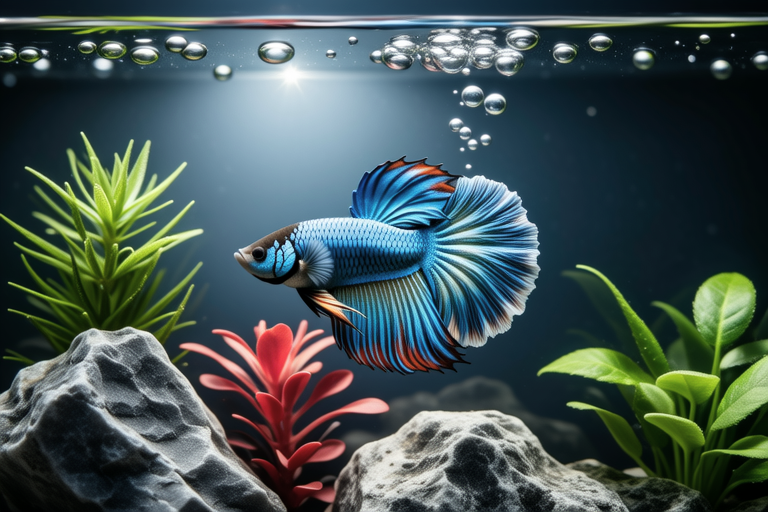
DIY Aquascape Ideas for Showstopping Betta Tanks
Welcome to the fascinating world of DIY aquascaping! Creating a stunning and functional environment for your betta fish can be both rewarding and enjoyable. This comprehensive guide will walk you through the basics of aquascaping, the importance of a well-designed tank for your betta’s health and happiness, and provide step-by-step instructions for various DIY aquascape designs. Let’s dive into this aquatic adventure!
The Basics of Aquascaping
Aquascaping is the art of arranging aquatic plants, rocks, driftwood, and other decorations in an aquarium to create a visually appealing and functional environment. Proper aquascaping is crucial for betta fish as it provides them with hiding spots, reduces stress, and stimulates their natural behaviors.
Choosing the Right Tank Size and Shape
When selecting a tank for your betta, consider its size and shape carefully. A minimum tank size of 5 gallons is recommended to ensure ample space for swimming and proper filtration. Avoid tall, narrow tanks as they can cause water temperature fluctuations and limit the amount of surface area available for oxygen exchange.
Essential Equipment for Setting Up an Aquascape
Substrate
Selecting the right substrate is vital for the overall appearance and health of your tank. Fine gravel or sand is ideal for betta tanks, providing a comfortable environment for your fish and promoting root growth for live plants. Ensure the substrate is clean and free from harmful chemicals before adding it to your tank.
Lighting
Proper lighting is essential for the growth of live plants and enhances the aesthetic appeal of your aquascape. Choose LED lights with adjustable brightness levels to mimic natural daylight cycles and prevent algae growth.
Filtration Systems
An efficient filtration system is crucial for maintaining water quality and ensuring the long-term health of your betta. Select a filter that matches your tank’s size and offers mechanical, biological, and chemical filtration. Regular maintenance of the filter will help maintain optimal water conditions.
Step-by-Step Instructions for DIY Aquascape Designs
Design 1: The Tropical Paradise
- Prepare the Tank: Rinse the substrate thoroughly and add it to the bottom of the tank. Place a layer of fine gravel or sand about 2 inches deep.
- Add Hardscape Elements: Arrange smooth river stones and driftwood pieces to form natural-looking formations. Ensure the hardscape elements are stable and do not obstruct water flow.
- Plant Selection: Introduce low-light tolerant plants such as Java Fern, Anubias, and Cryptocoryne. These plants will thrive in the lower light conditions and provide shelter for your betta.
- Ornaments and Decorations: Add a few decorative elements like small caves or tunnels to enhance the tropical atmosphere. Be cautious not to overcrowd the tank.
- Final Touches: Position floating plants like Amazon Frogbit or Salvinia to cover about 40% of the water surface, creating a natural barrier and reducing light intensity.
Design 2: The Japanese Zen Garden
- Prepare the Tank: Use black or dark-colored substrate to create a dramatic contrast with the greenery and white accents.
- Add Hardscape Elements: Incorporate smooth river stones and driftwood pieces to form minimalist yet elegant formations. Arrange the elements in a symmetrical pattern to achieve a harmonious look.
- Plant Selection: Choose low-maintenance plants like Java Moss and Water Wisteria. Their soft textures and delicate leaves complement the serene atmosphere of the Zen garden.
- Ornaments and Decorations: Integrate white pebbles and small, polished stones to enhance the minimalist aesthetic. Consider adding a few ceramic figurines or bonsai trees for additional visual interest.
- Final Touches: Float some delicate, floating plants like Riccia Fluitans to soften the edges of the tank and provide a sense of tranquility.
Design 3: The Underwater Forest
- Prepare the Tank: Layer a thick bed of fine gravel or sand at the bottom of the tank.
- Add Hardscape Elements: Arrange large pieces of driftwood and smooth river stones to form dense, forest-like structures. Create multiple layers to simulate a canopy and understory.
- Plant Selection: Populate the tank with high-light tolerant plants such as Hornwort, Rotala Rotundifolia, and Dwarf Sagittaria. These plants will thrive in the higher light conditions and create a lush, vibrant underwater forest.
- Ornaments and Decorations: Integrate moss balls and small, decorative rocks to add texture and visual interest. Consider placing a few small caves or tunnels for your betta to explore.
- Final Touches: Float some robust, floating plants like Water Hyacinth or Duckweed to add color and movement to the surface of the water.
Selecting Appropriate Plants, Rocks, and Ornaments
When choosing plants, rocks, and ornaments for your betta tank, prioritize those that are safe, easy to care for, and enhance the overall aesthetic. Opt for non-toxic, smooth materials to prevent injury to your betta. Additionally, select items that provide hiding spots, encourage exploration, and contribute to a balanced ecosystem.
Maintenance Tips for Keeping Your Aquascape Thriving
To ensure the longevity and visual appeal of your aquascape, regular maintenance is key. Perform weekly water changes, monitor water parameters, and trim plants as necessary. Clean the substrate and hardscape elements periodically to remove debris and prevent algae buildup. By following these maintenance tips, you’ll enjoy a thriving and visually appealing aquascape for years to come.
