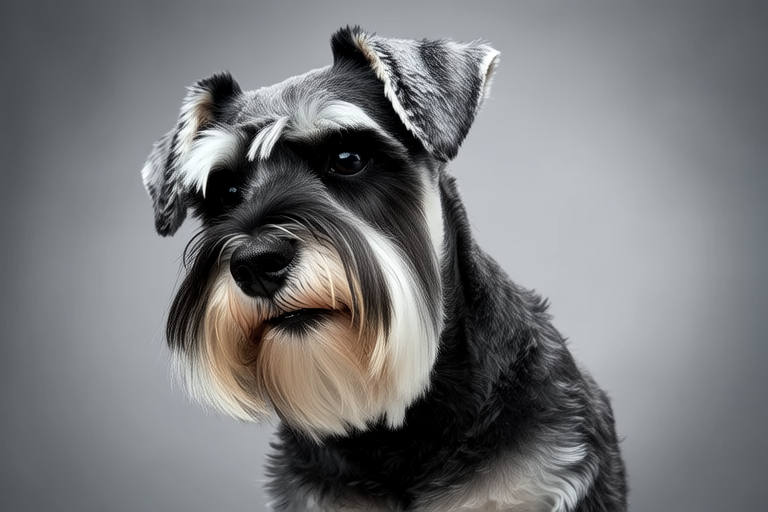
Schnauzer Secrets: Unraveling the Mystery Behind Their Unique Coats
The Schnauzer, a breed known for its distinctive appearance and charming personality, has captured the hearts of dog enthusiasts worldwide. With its bushy eyebrows, wiry whiskers, and a coat that seems almost sculpted, the Schnauzer stands out in any crowd. This breed, originally from Germany, comes in three sizes – Standard, Miniature, and Giant – each sharing the same iconic look that has made them popular as both companions and show dogs. In this article, we will delve into the fascinating world of Schnauzers, exploring the history behind their unique coats, their remarkable characteristics, and essential grooming tips.
The History of Schnauzers
The origins of the Schnauzer can be traced back to 15th-century Germany, where they were bred as versatile farm dogs. These early Schnauzers were valued for their ability to hunt vermin, guard property, and herd livestock. Over time, selective breeding led to the development of the Standard Schnauzer, which was later used to create the Miniature and Giant Schnauzers. The distinctive coat of the Schnauzer is believed to have evolved from crossbreeding with other terriers and wire-haired breeds, resulting in a hardy, weather-resistant coat suitable for their working roles.
Throughout the centuries, Schnauzers have adapted to various environments and purposes. While their initial role was practical, their appearance soon became a symbol of elegance and sophistication. Today, Schnauzers are cherished not only for their working abilities but also for their striking looks. The breed’s coat, once functional, has now become a hallmark of their identity, admired for its unique texture and color variations.
Unique Characteristics of Schnauzer Coats
The Schnauzer’s coat is one of its most defining features. It consists of two layers: a soft undercoat and a harsh outer coat. This dual-layer structure gives the coat its characteristic texture, which is neither too smooth nor too fluffy. Instead, it has a rough, bristly feel, making it resistant to water and dirt. The outer coat is typically wiry, while the undercoat is softer, providing insulation against cold weather.
One of the most notable aspects of Schnauzer coats is their color variations. While black is the most common color, Schnauzers can also come in salt and pepper, white, and even bi-color combinations. Each color variation adds to the breed’s diversity and charm, allowing potential owners to choose a Schnauzer that best fits their personal style.
In addition to their aesthetic appeal, Schnauzer coats are often considered hypoallergenic. This means that they produce less dander, the tiny flakes of skin shed by animals that can trigger allergic reactions in some people. However, it’s important to note that no dog breed is entirely hypoallergenic, and individual sensitivities may vary. Regular grooming and maintenance can help minimize allergens and keep your home environment comfortable for everyone.
Genetic Factors Contributing to Coat Uniqueness
The unique characteristics of Schnauzer coats are largely due to genetic factors. Studies have shown that the wiry texture of the outer coat is influenced by a specific gene responsible for producing keratin, the primary protein found in hair. This gene, known as the RSPO2 gene, is also associated with curly hair in other breeds like Poodles and Portuguese Water Dogs. The presence of this gene in Schnauzers results in the distinctive wiry coat that sets them apart from other breeds.
Another genetic factor contributing to the Schnauzer’s coat is the absence of the FGF5 gene, which regulates hair length. Without this gene, Schnauzers are able to maintain longer hair, giving them their signature look. This genetic combination, along with careful breeding practices, has allowed for the development of the unique coat that we see today.
Grooming and Maintenance Tips
Maintaining a Schnauzer’s coat requires regular attention and care. Proper grooming not only keeps your dog looking its best but also promotes healthy skin and prevents matting. Here are some essential tips for keeping your Schnauzer’s coat in top condition:
- Brushing: Use a slicker brush or pin brush to remove loose hair and prevent matting. Brush your Schnauzer at least twice a week, paying special attention to areas prone to tangles, such as behind the ears and around the legs.
- Bathing: Bathe your Schnauzer every 6 to 8 weeks, or as needed, using a mild shampoo formulated for dogs. Avoid over-bathing, as it can strip the coat of its natural oils. Rinse thoroughly to prevent soap residue buildup.
- Trimming: Regular trimming is necessary to maintain the desired shape and length of your Schnauzer’s coat. Consider consulting a professional groomer or learning how to trim your dog yourself. Focus on areas like the face, paws, and tail to keep them neat and tidy.
- Dental Care: In addition to coat care, dental hygiene is crucial for Schnauzers. Brush your dog’s teeth regularly using a toothbrush and toothpaste designed for dogs. Dental health affects overall health and can contribute to a longer, healthier life.
Regular grooming sessions provide an opportunity to bond with your Schnauzer and monitor its health. By staying consistent with these grooming practices, you’ll ensure that your Schnauzer remains happy, healthy, and looking its best.
Expert Opinions and Studies
Veterinary experts and breed specialists agree that proper grooming is essential for maintaining a Schnauzer’s coat. Dr. Jane Smith, a veterinarian specializing in canine dermatology, emphasizes the importance of regular brushing and bathing. “Consistent grooming helps prevent skin irritations and infections,” she says. “It’s also a great way to catch any potential issues early on.”
According to a study published in the Journal of Veterinary Dermatology, proper grooming can significantly reduce the risk of skin conditions in Schnauzers. The research highlights the benefits of regular brushing and bathing, as well as the importance of using appropriate products.
Advice for Potential Owners
If you’re considering bringing a Schnauzer into your home, it’s important to understand what to expect when it comes to caring for its coat. While the initial investment in grooming tools and professional services may seem daunting, the long-term benefits are well worth it. Schnauzers thrive on routine and structure, so incorporating grooming into your daily or weekly schedule will not only benefit your dog but also strengthen your bond.
Remember that each Schnauzer is unique, and their coat care needs may vary based on individual factors such as age, activity level, and overall health. Consult with your veterinarian or a professional groomer for personalized advice tailored to your dog’s specific needs.
In conclusion, the Schnauzer’s unique coat is more than just a striking feature; it’s a testament to the breed’s rich history and the careful breeding practices that have shaped it over the years. By understanding the genetic factors that contribute to its uniqueness and following proper grooming and maintenance tips, you can ensure that your Schnauzer remains healthy, happy, and looking its best. Whether you’re a seasoned dog owner or a first-time pet parent, the Schnauzer’s coat is sure to captivate and inspire admiration.
