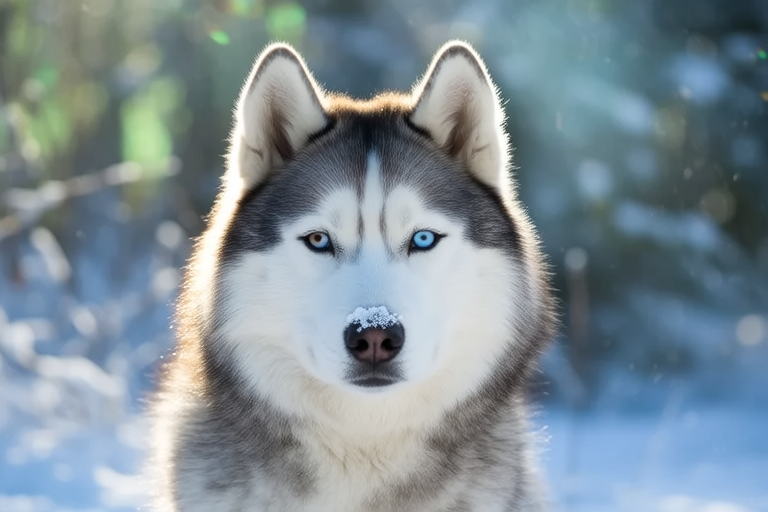
The Mystique of Siberian Huskies: A Journey Through Their Fiery Eyes
Siberian Huskies are among the most captivating and enigmatic creatures in the canine world. Known for their striking blue or multi-colored eyes, these dogs have a rich history that dates back centuries. Their fiery eyes, often referred to as “wolf-like,” have intrigued people for generations. This article delves into the unique characteristics of Siberian Huskies, focusing on their remarkable ocular features.
A Glimpse Into History
Originating from the Chukchi people of northeastern Asia, Siberian Huskies were initially bred as sled dogs. These resilient animals were essential for transportation and hunting in the harsh Arctic conditions. Their ability to withstand extreme cold and travel long distances made them indispensable companions for the Chukchi. Over time, their reputation spread, and they became popular in other parts of the world, especially after participating in the famous All-Alaskan Sweepstakes race in 1908.
The Genetic Factors Behind Their Eye Color
The distinctiveness of Siberian Huskies lies partly in their genetics. While many dog breeds have brown eyes, Siberian Huskies often sport striking blue eyes or even heterochromia (eyes of different colors). The gene responsible for this phenomenon is called the ALX4 gene. This gene is involved in the development of the iris and is thought to be responsible for the variation in eye color. In some cases, a dog may inherit a recessive gene for blue eyes, leading to the striking appearance that has become synonymous with the breed.
Interestingly, the prevalence of blue eyes in Siberian Huskies is not just a matter of aesthetics; it also serves a functional purpose. Blue eyes allow more light to enter, which is advantageous in low-light environments such as the Arctic. This adaptation has helped these dogs navigate and hunt effectively in their native habitat.
Vision in the Native Environment
In the vast, snowy expanses of Siberia, vision plays a crucial role in survival. Siberian Huskies have evolved to possess excellent peripheral vision, which allows them to spot potential threats or prey from a distance. Their keen sense of sight aids in their ability to track and follow trails left by other animals. This skill is particularly useful during winter hunts when visibility is reduced due to snowfall and low light.
One notable story involves a Siberian Husky named Balto, who led a team of sled dogs on a life-saving mission in 1925. During a diphtheria outbreak in Nome, Alaska, Balto and his team delivered crucial medicine across treacherous terrain. Despite blinding snowstorms and icy conditions, Balto’s sharp vision guided him through the journey, ensuring the safe arrival of the medication. His heroic efforts earned him a place in history and highlighted the importance of a Siberian Husky’s vision.
Cultural and Mythological Significance
The fiery eyes of Siberian Huskies have captured the imagination of many cultures. In various mythologies, wolves are often depicted as guardians or messengers, and Siberian Huskies, with their wolf-like appearance, share a similar symbolic significance. Their piercing gaze is sometimes associated with wisdom and intuition, qualities that have been revered throughout history.
In addition to their mythological importance, Siberian Huskies have also been featured in literature and film. The novel “White Fang” by Jack London and the animated film “Snow Dogs” both showcase the breed’s strength and resilience. These portrayals have further cemented the Siberian Husky’s place in popular culture.
Behavior and Temperament Influenced by Visual Prowess
The exceptional vision of Siberian Huskies influences their behavior and temperament. They are known for being alert and responsive to their surroundings. Their keen eyesight allows them to detect movement from great distances, making them excellent watchdogs. However, their independent nature means they require consistent training and socialization to prevent behavioral issues.
Owners often describe their Siberian Huskies as intelligent and playful, traits that stem from their need to stay mentally engaged. Providing them with stimulating activities and challenges can help channel their energy positively. Siberian Huskies thrive in environments where they can run freely and explore, but they also enjoy spending quality time with their human companions.
Caring for Your Siberian Husky’s Eye Health
Maintaining the health of your Siberian Husky’s eyes is essential for their overall well-being. Regular check-ups with a veterinarian can help identify any potential issues early on. Some common eye problems in Siberian Huskies include corneal dystrophy, cataracts, and progressive retinal atrophy. Owners should be vigilant about any changes in their dog’s vision or behavior, such as squinting, excessive blinking, or redness around the eyes.
To promote good eye health, ensure your Siberian Husky has access to plenty of fresh water and a balanced diet rich in vitamins and antioxidants. Omega-3 fatty acids, found in fish oil supplements, can support healthy tear production and reduce inflammation. Additionally, regular grooming can help remove debris from the eyes and prevent irritation.
Conclusion
Siberian Huskies are truly remarkable creatures, and their fiery eyes are a testament to their resilience and adaptability. From their origins as sled dogs in Siberia to their current status as beloved pets worldwide, these dogs continue to captivate and inspire. Understanding the genetic factors behind their eye color, the role of their vision in their native environment, and the cultural significance attributed to their eyes provides valuable insights into the breed’s unique characteristics. By caring for their eye health and providing them with proper training and socialization, owners can ensure their Siberian Huskies lead happy and healthy lives.
