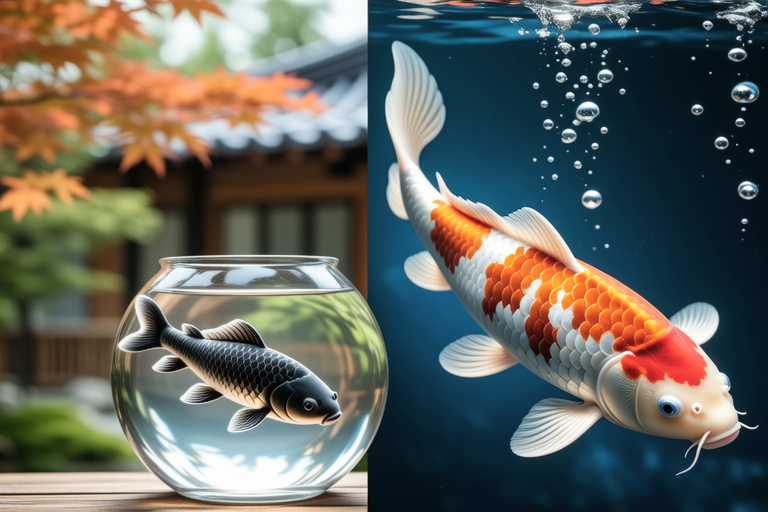
From Tiny Fry to Majestic Koi: A Step-by-Step Guide to Growing Them
Welcome to the enchanting world of koi keeping! This comprehensive guide will take you through every stage of raising these magnificent creatures, from tiny fry to majestic adults. Whether you’re a novice or an experienced koi keeper, this article will provide valuable insights and practical advice to ensure your koi thrive.
Selecting Healthy Koi Fry
The journey of raising koi begins with selecting healthy fry. Healthy fry are robust, active, and free from deformities. They should have clear eyes, well-developed fins, and no signs of parasites or fungal infections. Experts recommend purchasing fry from reputable breeders who can provide detailed information about the parentage and health history of the fry.
When choosing your fry, look for those that are swimming actively around the tank, showing no signs of lethargy or distress. Avoid fry that are clumped together at the bottom of the tank or have cloudy eyes, as these may indicate underlying health issues.
Setting Up an Ideal Growing Environment
Creating the right environment is crucial for the growth and wellbeing of koi. Start by selecting a spacious pond that allows for adequate filtration and circulation. The ideal pond size varies depending on the number of koi, but a general rule of thumb is to have at least 20 gallons of water per inch of fish.
Proper filtration is essential to maintain clean and oxygen-rich water. Consider installing a biological filter that can handle the volume of your pond. Additionally, incorporate a UV sterilizer to prevent algae growth and keep the water crystal clear.
For optimal conditions, ensure that the pond has a consistent temperature range between 68°F and 74°F (20°C and 23°C). Koi are coldwater fish, but they thrive in slightly warmer temperatures during the spring and summer months.
Essential Nutrients for Growth
Feeding koi a balanced diet rich in proteins, fats, and carbohydrates is vital for their growth and overall health. High-quality commercial koi food, available in pellets or flakes, provides the necessary nutrients. These foods are specifically formulated to support growth and enhance coloration.
In addition to regular feedings, consider supplementing with live or frozen foods such as brine shrimp, bloodworms, and daphnia. These foods offer extra protein and vitamins, promoting vibrant colors and robust health. However, be cautious not to overfeed, as excess food can lead to water quality issues.
Vary the diet seasonally to meet the changing nutritional needs of the koi. During colder months, when koi are less active, reduce the frequency of feedings and opt for low-protein diets. As the weather warms up, increase the protein content to support growth and color enhancement.
Common Health Issues and Prevention
Like any living creature, koi are susceptible to various health issues. Early detection and proactive measures can help prevent many of these problems. Common health issues include fin rot, fungal infections, and parasitic infestations.
To prevent fin rot, maintain good water quality and avoid overcrowding. Regular water changes and proper filtration systems are key to keeping the water clean and free from harmful bacteria. Fungal infections often occur due to poor water quality or physical injuries. Keeping the pond environment pristine and treating any wounds promptly can minimize the risk of fungal infections.
Parasites such as ich and flukes can be introduced through new additions to the pond. Quarantine any new koi before introducing them to the main pond to prevent the spread of parasites. Regular monitoring and prompt treatment with appropriate medications can effectively manage and eliminate parasite infestations.
Gradual Transition to Adulthood
The transition from fry to adult koi is a gradual process that requires careful attention to their changing needs. As koi grow, they require more space and a richer diet. Ensure that the pond is large enough to accommodate their increasing size and provide ample hiding spots and open areas for swimming.
During this transitional phase, it’s important to gradually introduce them to adult-sized portions of food. Start by feeding small amounts of high-protein food and gradually increase the quantity as they grow. Monitor their feeding habits closely, adjusting the amount based on their activity levels and the condition of the pond water.
Experts recommend providing a varied diet during this period to promote balanced growth and vibrant coloring. Incorporate foods rich in carotenoids, which are known to enhance the natural pigments in koi.
Tips for Maintaining the Health and Beauty of Adult Koi
Maintaining the health and beauty of adult koi involves ongoing care and attention. Regular water testing and maintenance are crucial to ensure the water remains clean and free from harmful substances. Test the water for pH, ammonia, nitrite, and nitrate levels weekly, and make adjustments as needed.
Perform routine water changes to remove accumulated waste and replenish essential minerals. Aim for partial water changes of about 10-20% every two weeks, depending on the stocking density and water quality.
To keep your koi looking their best, continue to provide a balanced diet and vary it seasonally. In addition to regular feedings, consider incorporating occasional treats like freeze-dried krill or spirulina-enriched foods. These supplements can enhance coloration and promote overall health.
Regularly inspect your koi for any signs of illness or injury. Healthy koi should exhibit bright colors, clear eyes, and smooth, undamaged skin. If you notice any unusual behavior or physical symptoms, consult a veterinarian specializing in aquatic animals for diagnosis and treatment.
Lastly, establish a routine for cleaning and maintaining the pond. Regularly check and clean filters, remove debris from the pond floor, and trim any overgrown plants. By following these practices, you’ll create a harmonious environment where your koi can thrive and flourish.
Conclusion
Raising koi from tiny fry to majestic adults is a rewarding and fulfilling experience. By selecting healthy fry, setting up an ideal growing environment, providing essential nutrients, preventing common health issues, and maintaining the health and beauty of adult koi, you’ll ensure that your koi thrive and bring joy to your pond.
Whether you’re a novice or an experienced koi keeper, this guide offers valuable insights and practical advice to help you succeed in your koi-keeping journey. With dedication and care, your koi will become cherished companions, adding beauty and tranquility to your outdoor space.
