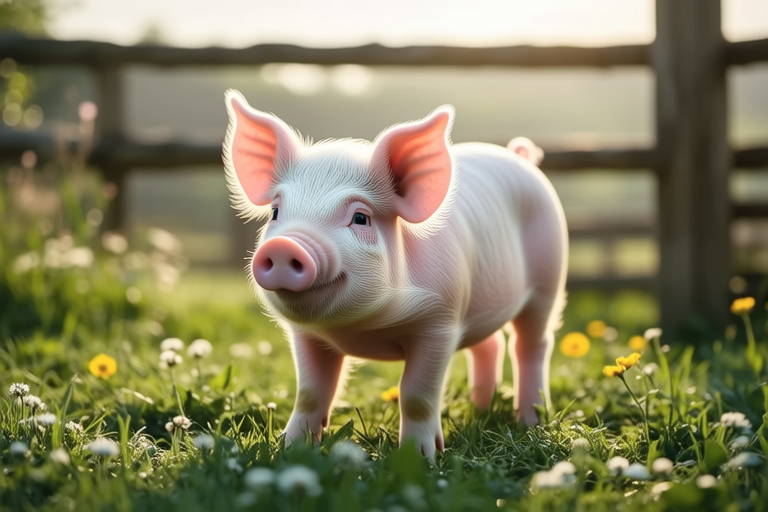
From Farmyard to Furry Friend: Transforming Perceptions of Mini Pigs
In recent years, mini pigs have gained significant popularity as companion animals. Often misunderstood due to misconceptions about their size and care requirements, these intelligent and affectionate creatures have found their way into many homes. This article aims to provide a comprehensive overview of mini pigs, dispelling myths, and offering insights into their unique characteristics, historical background, and the challenges and joys of owning one.
The Mini Pig: A Misunderstood Wonder
Mini pigs, also known as teacup or micro pigs, have captured the hearts of many with their charming appearance and gentle nature. However, one of the most pervasive myths surrounding mini pigs is their size. Despite being marketed as small, many mini pigs can weigh between 50 to 70 pounds, sometimes even more, depending on genetics and diet. It’s crucial for potential owners to understand that mini pigs are not miniature versions of regular pigs; they are simply smaller breeds.
Care requirements for mini pigs are often underestimated as well. These animals require a balanced diet, regular exercise, and mental stimulation to thrive. Unlike what some might believe, mini pigs are not low-maintenance pets. They need proper socialization, training, and attention to ensure their well-being.
A Brief History of Mini Pigs
The journey of mini pigs from farmyard animals to beloved pets is a fascinating one. Originally bred for agricultural purposes, mini pigs were selectively bred to be smaller in size, making them easier to manage and transport. Over time, these smaller breeds began to attract the attention of individuals seeking alternative pet options. As a result, mini pigs started appearing in households across the globe.
The first documented efforts to domesticate pigs date back thousands of years, with evidence of pig domestication found in various parts of the world. From ancient Egypt to China, pigs have played a significant role in human societies, providing meat, labor, and companionship. The selective breeding practices that eventually led to the creation of mini pigs are part of this long-standing tradition.
Unique Characteristics of Mini Pigs
Mini pigs are not only adorable but also highly intelligent and sociable animals. Their cognitive abilities rival those of dogs, and they can learn tricks, respond to commands, and form strong bonds with their human families. This intelligence makes them excellent companions, but it also requires consistent training and engagement.
Temperament-wise, mini pigs are generally calm, curious, and affectionate. They enjoy the company of humans and other animals, making them great additions to multi-pet households. However, like any animal, each mini pig has its own personality, so it’s important to spend time getting to know your pet to understand its specific needs and preferences.
Health-wise, mini pigs are relatively hardy animals. Common health issues include dental problems, obesity, and skin conditions. Regular veterinary check-ups, a balanced diet, and a clean living environment are essential to maintaining their overall health. Providing plenty of opportunities for exercise and mental stimulation can also help prevent behavioral issues and promote a longer, healthier life.
Challenges of City Living with Mini Pigs
Owning a mini pig in an urban setting comes with its own set of challenges. One of the primary concerns is space. Mini pigs require ample room to move around, which can be difficult to provide in a small apartment or condo. Additionally, city regulations regarding exotic pets may pose legal barriers to mini pig ownership.
Another challenge is ensuring that mini pigs get enough outdoor time. Unlike dogs, pigs do not need to be walked but still benefit greatly from fresh air and natural surroundings. Finding safe, secure areas for your pig to explore is crucial for its physical and mental well-being.
To adapt to city living, owners must be creative and resourceful. Building indoor runs or play areas can help provide the necessary space for exercise and exploration. Joining local pig owner groups can also offer valuable support and advice on navigating urban pet ownership.
Success Stories: Mini Pigs as Beloved Family Members
Despite the challenges, many mini pig owners have successfully integrated these animals into their families, creating lasting bonds and enriching lives. One such story involves Sarah, who adopted a mini pig named Charlie from a rescue organization. Initially, Sarah was skeptical about keeping a pig in her small home, but after meeting Charlie, she decided to give him a chance.
With patience, love, and proper training, Charlie quickly became an integral part of Sarah’s household. He learned to use a litter box, accompanied Sarah on walks, and even participated in agility training. Sarah’s experience highlights the potential for mini pigs to thrive in diverse environments when given the right care and attention.
Another inspiring story comes from the Johnson family, who adopted a pair of mini pigs, Daisy and Dottie. The Johnsons faced numerous obstacles in the beginning, including adjusting to their new pets’ dietary needs and finding suitable outdoor spaces. However, through perseverance and community support, they created a happy and healthy home for Daisy and Dottie. Today, the Johnsons share countless photos and stories of their adventures with their beloved mini pigs, inspiring others to consider these unique pets.
Encouraging Responsible Ownership and Positive Perception
As mini pigs continue to gain popularity, it’s essential to advocate for responsible ownership and positive shifts in public perception. Potential owners should thoroughly research the commitment involved in caring for a mini pig before making a decision. This includes understanding the financial, emotional, and logistical aspects of pet ownership.
Advocacy groups and rescue organizations play a vital role in promoting responsible ownership and educating the public about mini pigs. By sharing success stories and addressing common misconceptions, these groups help foster a more informed and supportive community for mini pig owners and enthusiasts.
In conclusion, mini pigs are remarkable animals with unique characteristics and a rich history. While there are challenges associated with owning a mini pig, particularly in urban settings, the rewards of having one as a companion are immeasurable. By embracing responsible ownership and continuing to transform perceptions, we can ensure that mini pigs find loving homes and lead fulfilling lives as cherished members of our families.
