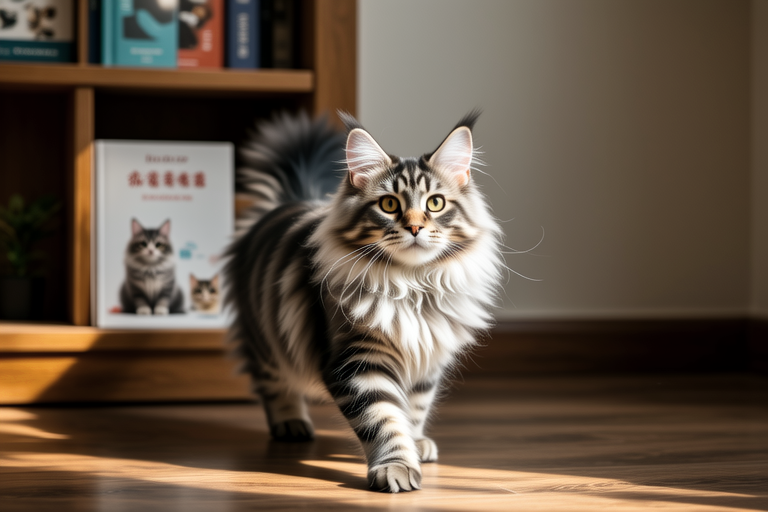
Maine Coon Myths Debunked: Separating Fact from Fiction
The Maine Coon is one of the most popular cat breeds in the world today. Known for their large size, tufted ears, and long, luxurious fur, these majestic creatures have captured the hearts of many cat enthusiasts. However, as with any breed, there are numerous myths and misconceptions surrounding the Maine Coon. In this article, we aim to separate fact from fiction, offering you a clearer understanding of what it truly means to own a Maine Coon.
Introduction to Maine Coon Cats
Maine Coons are a natural breed, originally hailing from the state of Maine, USA. They are known for their impressive size, with males typically weighing between 13 to 18 pounds, and females slightly smaller. Their striking appearance and gentle nature have made them a favorite among cat lovers. Despite their popularity, several myths persist about the breed, which can lead to misunderstandings or even misinformation. Let’s delve into some of the most common myths and set the record straight.
Myth 1: Maine Coons Are Not Hypoallergenic
One of the most pervasive myths about Maine Coons is that they are hypoallergenic. While it is true that no cat is completely hypoallergenic, Maine Coons are often recommended for people with allergies. This is due to their low levels of Fel d 1, the primary allergen found in cat saliva and dander. Studies have shown that individuals allergic to cats may experience fewer reactions around Maine Coons. It’s important to note that while they may be less likely to cause severe reactions, they are not entirely allergy-free.
Myth 2: Maine Coons Are Aggressive
Another misconception about Maine Coons is that they are aggressive. In reality, Maine Coons are known for their friendly and gentle demeanor. They are social animals that enjoy human interaction and are often described as being dog-like in their loyalty and affection. These cats are generally good with children and other pets, making them excellent family companions. Their calm and patient nature is attributed to their intelligence and adaptability.
Myth 3: Maine Coons Are Not Good Hunters
Despite their large size, Maine Coons are skilled hunters. Historically, they were bred to assist farmers in catching rodents and other small pests. Their strong hunting instincts are still present today, although modern indoor living has reduced the need for such skills. If given the opportunity, a Maine Coon will show its prowess by pouncing on toys or chasing after birds. Their agility and sharp reflexes are remnants of their wild ancestry.
Myth 4: Maine Coons Are Unhealthy
Contrary to popular belief, Maine Coons are generally healthy cats. Like all breeds, they can be prone to certain genetic conditions, such as hypertrophic cardiomyopathy (HCM), but these issues can be managed with proper care and regular veterinary check-ups. The breed is also known for its longevity, with many Maine Coons living well into their late teens or early twenties. Regular exercise, a balanced diet, and routine veterinary care are key factors in maintaining their health.
Myth 5: Maine Coons Do Not Require Grooming
Another myth is that Maine Coons do not require grooming due to their thick fur. While their coat is indeed impressive, it requires regular maintenance to prevent matting and ensure overall hygiene. Maine Coons have semi-longhair coats that shed seasonally, and daily brushing can help manage shedding and keep their coat in top condition. Professional grooming every few months is also recommended to keep their fur looking its best.
Responsible Pet Ownership and the Unique Qualities of Maine Coons
Owning a Maine Coon is a rewarding experience, but it comes with responsibilities. Proper nutrition, regular exercise, and routine veterinary care are essential for maintaining your cat’s health and happiness. Maine Coons are known for their playful and curious nature, so providing them with stimulating toys and activities can help keep them mentally and physically active.
One of the unique qualities that make Maine Coons wonderful companions is their intelligence. They are quick learners and can be trained to perform simple tricks or respond to commands. Their sociable nature makes them great company, and many owners report that their Maine Coons are quite talkative, often engaging in conversations with their human companions.
In conclusion, while there are many myths surrounding Maine Coon cats, the truth is that they are intelligent, loving, and healthy companions. By separating fact from fiction, we hope to provide you with a better understanding of what it means to own a Maine Coon. Whether you’re a first-time or experienced cat owner, adopting a Maine Coon can bring joy and companionship to your life. Remember, responsible pet ownership is key to ensuring a happy and healthy relationship with your feline friend.
