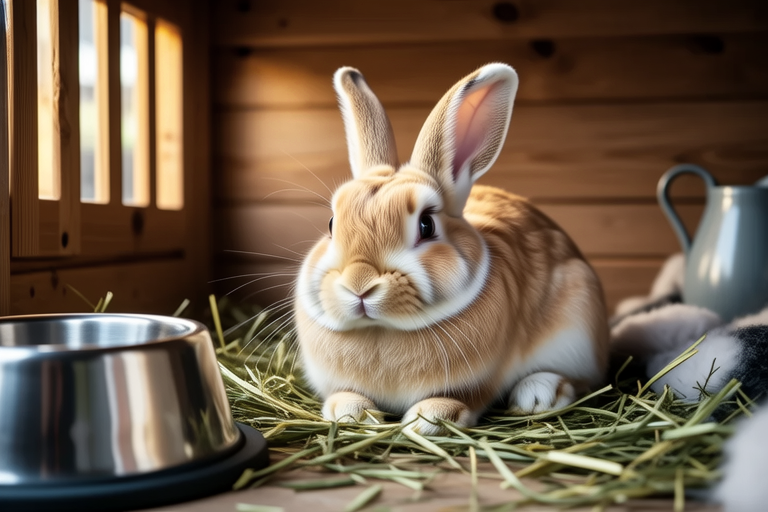
From Cage to Comfort: Transforming Your Hamster’s Home
Welcome to the world of hamsters! These tiny creatures are not only delightful pets but also require careful consideration in terms of their habitat to ensure they lead happy, healthy lives. This guide will walk you through the steps necessary to create a comfortable and stimulating home for your hamster, covering everything from choosing the right cage size to providing the best toys and ensuring hygiene.
Selecting the Right Cage Size
The first step in creating a suitable environment for your hamster is selecting the right cage size. While hamsters are small, they are active creatures that need ample space to move around, exercise, and explore. A cage that is too small can lead to stress and behavioral issues. The minimum recommended size for a single hamster is about 24 inches long, 12 inches wide, and 12 inches high. However, if possible, opt for a larger cage to allow more freedom of movement.
It’s important to consider the type of cage as well. Wire cages are popular because they offer good ventilation, but they must have solid floors to prevent injuries to your hamster’s delicate feet. Glass or plastic aquariums can also be used, but they require more frequent cleaning due to limited airflow.
Picking the Perfect Bedding
Choosing the right bedding is crucial for your hamster’s comfort and health. The bedding should be soft, absorbent, and dust-free to prevent respiratory problems. Popular choices include aspen shavings, paper-based bedding, and fleece liners. Avoid cedar and pine shavings as they contain aromatic oils that can irritate your hamster’s respiratory system.
Hamsters are burrowing animals by nature, so provide enough bedding to allow them to dig and create tunnels. Aim for at least 2 to 3 inches of bedding material, ensuring it is clean and fresh. Regularly replace the bedding to maintain hygiene and prevent odors.
Essential Toys and Tunnels
To keep your hamster mentally stimulated and physically fit, it’s important to provide a variety of toys and tunnels. Hamsters love to chew, so offer safe, untreated wood blocks or cardboard tubes for this purpose. Balls designed specifically for hamsters can also provide entertainment and exercise.
Tunnels are another essential component of a hamster’s habitat. They encourage exploration and mimic the natural burrowing behavior of these rodents. You can purchase pre-made tunnels or create your own using cardboard tubes or PVC pipes. Ensure that all tunnels are securely attached to prevent any accidents.
Remember, the key is variety. Rotate toys and tunnels periodically to keep your hamster interested and engaged.
Proper Food Storage
Feeding your hamster properly is vital for its overall health. Hamsters have a unique digestive system that requires a balanced diet consisting of pellets, seeds, and occasional treats like fruits and vegetables. Store the food in airtight containers to protect it from moisture, pests, and contamination. It’s also a good idea to refrigerate seeds and nuts to prolong their freshness.
Ensure that your hamster has access to fresh water at all times. Use a water bottle with a sipper tube, which is less likely to spill and keeps the water clean.
Maintaining Hygiene
Hygiene is paramount in keeping your hamster healthy and happy. Regular cleaning of the cage is essential to prevent the buildup of bacteria and odors. Aim to clean the entire cage once a week, replacing all bedding and thoroughly scrubbing the cage with a mild detergent. Spot clean daily by removing soiled bedding and waste.
In addition to cleaning the cage, pay attention to the cleanliness of your hamster’s food and water dishes. Wash these items regularly to prevent the growth of harmful bacteria. Providing a clean and hygienic environment helps prevent illnesses and promotes longevity.
A Stimulating Environment for Physical and Mental Health
Creating a stimulating environment is crucial for your hamster’s well-being. Hamsters are intelligent and curious creatures that thrive in environments that challenge their minds and bodies. In addition to toys and tunnels, consider adding features like hammocks, swings, and climbing structures. These elements encourage physical activity and mental engagement.
Introduce new elements to the cage gradually to prevent overwhelming your hamster. Observe its reactions and adjust the setup accordingly. A well-balanced environment will help your hamster stay active, alert, and content.
Common Mistakes to Avoid
When setting up a hamster’s living space, there are several common mistakes to avoid:
- Overcrowding: Do not place multiple hamsters in the same cage unless you are certain they are compatible. Even then, monitor their interactions closely.
- Improper Ventilation: Ensure that the cage provides adequate air circulation to prevent respiratory issues.
- Unsafe Materials: Avoid using materials that could be toxic or cause harm, such as plastic toys that can be easily chewed into small pieces.
- Lack of Fresh Water: Always ensure that your hamster has access to fresh, clean water.
By avoiding these pitfalls, you can create a safer and more enjoyable environment for your hamster.
Ensuring Safety and Comfort
Creating a safe and comfortable space for your hamster involves more than just the physical setup. It also includes considerations for temperature and noise levels. Hamsters prefer moderate temperatures, ideally between 65°F and 75°F (18°C to 24°C). Extreme temperatures can be stressful and potentially dangerous for these small animals.
Noise levels should also be kept low. Loud noises can startle hamsters and cause stress. Place the cage in a quiet area away from sources of loud sounds like televisions or heavy traffic.
Practicality and Enrichment
Striking a balance between practicality and enrichment is key to your hamster’s well-being. While it’s important to provide a stimulating environment, it’s equally important to ensure that the cage remains easy to clean and maintain. Choose toys and accessories that are both enriching and durable, and rotate them regularly to keep things interesting without overwhelming your pet.
Regular interaction with your hamster is also beneficial. Spend time handling and playing with your pet to build trust and strengthen the bond between you.
In conclusion, transforming your hamster’s home from a simple cage to a comfortable and enriching habitat is a rewarding endeavor. By carefully considering cage size, bedding, toys, food storage, and hygiene, you can provide your hamster with a stimulating environment that supports both its physical and mental health. Avoid common mistakes and prioritize safety and comfort to ensure your pet leads a happy, healthy life. With a little effort and creativity, you can turn your hamster’s home into a sanctuary that brings joy to both you and your furry friend.
