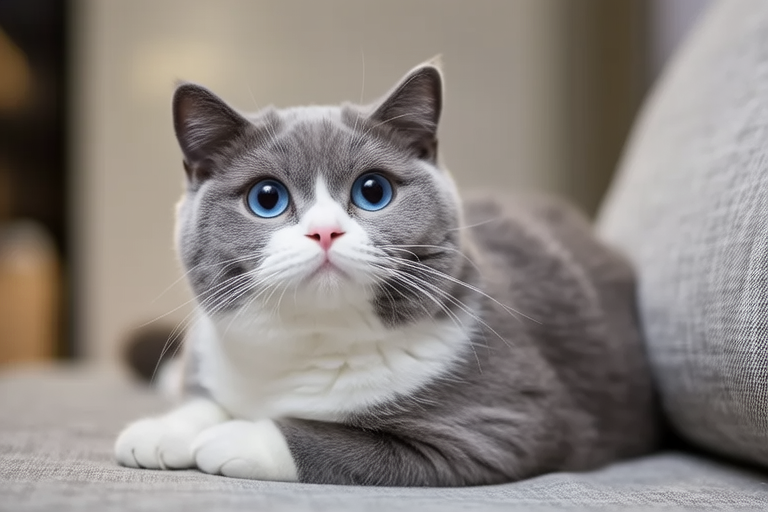
Silver Splendor: Caring for Your British Shorthair Cat Like a Pro
Welcome to the world of British Shorthair cats! Known for their round faces, plush coats, and gentle dispositions, these felines have captured the hearts of many. This comprehensive guide will help you care for your British Shorthair like a pro, ensuring they live long, healthy, and happy lives.
Origin and Characteristics
The British Shorthair has a rich history dating back to ancient times. These cats were originally bred by Romans who brought them to Britain around 2,000 years ago. Over time, they became popular pets among British families and were eventually recognized as a distinct breed. Today, the British Shorthair is one of the most beloved breeds globally, admired for its striking appearance and amiable personality.
British Shorthairs are known for their robust build and short, dense coats that come in various colors and patterns. They have a broad chest, stocky legs, and a tail that tapers to a rounded tip. Their large, expressive eyes and symmetrical face give them a sweet, almost human-like expression. The breed is generally calm and affectionate, making them excellent companions for families and individuals alike.
Grooming Needs
While their short fur may seem low-maintenance, British Shorthairs require regular grooming to keep their coats shiny and healthy. Brushing your cat once or twice a week can help remove loose hair, prevent matting, and distribute natural oils throughout the coat. Use a soft-bristled brush or a rubber grooming mitt to avoid irritating their skin.
Bathing your British Shorthair is usually unnecessary unless they get particularly dirty or have a medical condition that requires it. If bathing is necessary, use a mild, pH-balanced shampoo specifically formulated for cats and ensure you rinse thoroughly to avoid any residue. Always dry your cat thoroughly after a bath to prevent chills.
In addition to brushing and bathing, pay attention to your cat’s dental hygiene. Daily tooth brushing with a pet-safe toothpaste can help prevent plaque buildup and gum disease. Regular nail trimming is also important to prevent overgrowth, which can cause discomfort or even injury.
Dietary Requirements
A balanced diet is crucial for maintaining your British Shorthair’s health and well-being. High-quality commercial cat food that meets the nutritional standards set by organizations such as the Association of American Feed Control Officials (AAFCO) is recommended. Look for foods that list meat as the primary ingredient and avoid those with excessive fillers or artificial additives.
British Shorthairs have a tendency to gain weight, so portion control is essential. Consult your veterinarian to determine the appropriate amount of food based on your cat’s age, activity level, and overall health. Feeding your cat at regular intervals rather than leaving food out all day can help prevent overeating and promote a healthier weight.
Hydration is equally important. Encourage your cat to drink plenty of water by providing fresh, clean water in multiple locations throughout your home. Some cats prefer flowing water, so consider investing in a water fountain designed for pets. Additionally, incorporating wet food into your cat’s diet can increase their fluid intake and provide essential nutrients.
Common Health Issues
Like all breeds, British Shorthairs are prone to certain health conditions. Being aware of these potential issues can help you take proactive steps to ensure your cat remains healthy.
- Hypertrophic Cardiomyopathy (HCM): This is a heart condition where the walls of the heart thicken, potentially leading to heart failure. Early detection through regular veterinary check-ups and echocardiograms can be crucial.
- Polycystic Kidney Disease (PKD): An inherited disorder characterized by the growth of cysts on the kidneys, which can eventually lead to kidney failure. Genetic testing can identify carriers and affected cats.
- Obesity: Due to their sedentary nature, British Shorthairs are prone to obesity if not monitored carefully. Regular weigh-ins and a balanced diet can help maintain a healthy weight.
Regular visits to the veterinarian for routine check-ups, vaccinations, and preventive care are vital. Keep an eye out for any changes in behavior or physical appearance, and consult your vet if you notice anything unusual.
Exercise and Playtime Suggestions
Despite their laid-back demeanor, British Shorthairs still need mental and physical stimulation to stay healthy and happy. Interactive toys, puzzle feeders, and play sessions with your family can provide the necessary exercise and mental engagement.
Consider introducing your cat to toys that encourage movement, such as feather wands, laser pointers, or automatic cat toys. Rotate toys periodically to keep your cat interested and engaged. Puzzle feeders can also stimulate your cat’s mind while encouraging them to work for their food, mimicking hunting behaviors.
Physical activity is important, especially for indoor cats. Create a safe, stimulating environment with climbing structures, scratching posts, and hiding spots. Encourage your cat to explore and play within this space. For outdoor cats, ensure they have access to a secure, enclosed area where they can safely enjoy the outdoors.
Tips for Socializing This Breed
British Shorthairs are typically friendly and sociable, but each cat is unique, and some may require extra effort to become comfortable with new people or environments. Patience and positive reinforcement are key when socializing your cat.
Introduce your cat to new people gradually, allowing them to approach at their own pace. Offer treats and praise when they interact positively. Encourage gentle handling and petting, but respect your cat’s boundaries if they show signs of discomfort. Building trust takes time, so be patient and consistent.
Expose your cat to different environments and experiences gradually. Start with short trips to new places and introduce them to various stimuli, such as different sounds, smells, and textures. This can help reduce anxiety and make future introductions smoother.
If your cat is particularly shy or anxious, consider seeking guidance from a professional animal behaviorist. They can offer personalized advice and techniques to help your cat feel more comfortable in various situations.
Conclusion
Caring for a British Shorthair is a rewarding experience that requires attention to detail and a commitment to your cat’s overall well-being. By understanding their origins, addressing their grooming needs, providing a balanced diet, monitoring for health issues, offering ample exercise, and socializing them properly, you can ensure your British Shorthair lives a fulfilling and joyful life. Remember, every cat is unique, so adapt these guidelines to suit your individual pet’s needs. With love and care, your British Shorthair will thrive and bring countless moments of joy to your household.
