Living with a Bengal Cat: Tips and Tricks for a Happy Household
Welcome to the world of Bengal cats! Known for their striking appearance and dynamic personalities, these felines are a popular choice for many cat lovers. With their sleek, spotted coats and a wild look that belies their domesticated nature, Bengal cats are captivating creatures that bring joy and excitement into homes everywhere. However, their unique traits also come with specific care requirements that need attention to ensure a happy household. This guide will walk you through everything you need to know about living with a Bengal cat, from their dietary needs to training methods, ensuring you’re well-equipped to provide the best possible life for your furry friend.
Understanding Your Bengal Cat
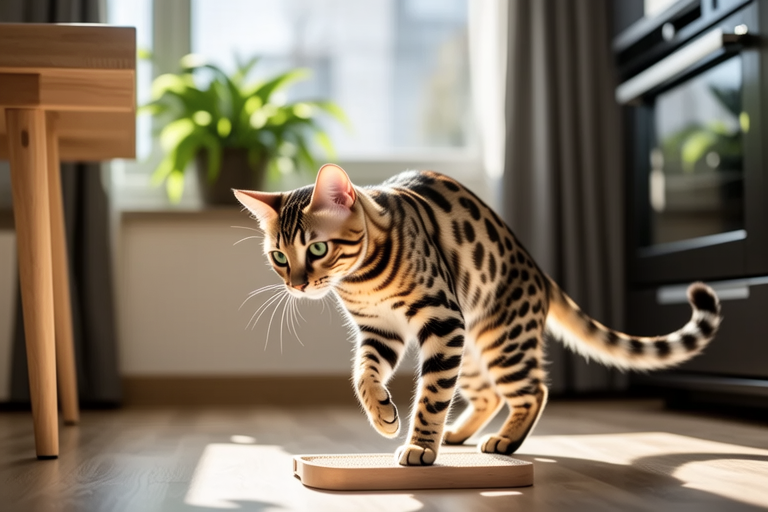
Bengal cats are a hybrid breed, resulting from the crossbreeding of domestic cats with Asian leopard cats. This heritage gives them their distinctive spotted or marbled coats and an energetic, curious nature. They are highly intelligent and have a playful demeanor that can sometimes be mistaken for mischievousness. Their agility and love for climbing make them excellent climbers and jumpers, often found perched on high surfaces around the house. Understanding these traits is crucial in providing a suitable environment for your Bengal cat.
Dietary Needs
Bengal cats require a balanced diet rich in proteins and fats, mirroring their wild ancestors’ nutritional needs. High-quality commercial cat foods designed for active breeds are ideal, as they provide the necessary nutrients for their energy levels. It’s important to avoid feeding them raw meat or fish, as this can pose health risks. Fresh water should always be available, and it’s beneficial to include occasional treats like small pieces of cooked chicken or tuna to reward good behavior. Consult your veterinarian for personalized dietary recommendations based on your Bengal’s age, weight, and activity level.
Exercise Requirements
Bengals are extremely active and require ample opportunities for physical exertion. Providing toys that encourage jumping, chasing, and pouncing, such as laser pointers, feather wands, and interactive puzzles, can help satisfy their natural hunting instincts. Regular play sessions are essential, not just for physical health but also for mental stimulation. Consider creating an obstacle course with boxes, tunnels, and perches to keep them engaged and entertained. If possible, allocate some outdoor time under supervision, allowing them to explore and experience the outdoors safely.
Grooming and Health Care
Bengals have short, dense coats that generally require minimal grooming. Weekly brushing helps remove loose fur and prevents matting, especially during shedding seasons. Bathing should be infrequent, as their skin can become dry if over-bathed. Regular nail trimming and dental care are also important aspects of their grooming routine. Health-wise, regular veterinary check-ups are crucial. Vaccinations, parasite control, and early detection of potential issues through routine screenings contribute to a long, healthy life for your Bengal cat.
Creating a Stimulating Environment
To cater to their playful and energetic nature, design your home with plenty of vertical spaces. Install shelves, cat trees, and window perches to give them ample room to climb and observe their surroundings. Interactive toys and puzzle feeders can stimulate their minds while providing entertainment. Bengal cats enjoy water, so consider adding a small fountain or a shallow dish for them to splash in. Providing a variety of textures and environments within your home can also enhance their sensory experiences.
Training Methods
Training Bengal cats requires positive reinforcement techniques that focus on rewarding desired behaviors rather than punishing unwanted ones. Clicker training, where a clicker is used to mark the moment your cat performs a correct action, followed by a treat, is highly effective. Consistency is key; use the same commands and rewards every time to reinforce learning. Addressing undesirable behaviors like scratching furniture involves redirecting their energy to appropriate outlets, such as scratching posts covered in sisal or corrugated cardboard. Behavior modification techniques may involve identifying triggers for negative actions and gradually desensitizing the cat to these stimuli.
Building a Strong Bond
The relationship between you and your Bengal cat is built on trust, respect, and mutual understanding. Spend quality time together daily, engaging in activities that both of you enjoy. Patience is essential when dealing with their energetic bursts and occasional stubbornness. By being consistent, affectionate, and attentive, you foster a deep connection with your cat. Remember, each Bengal has its own personality, so take the time to learn what makes your particular cat tick. Whether it’s playing fetch, cuddling on the couch, or simply sharing quiet moments, these interactions strengthen the bond between you.
In conclusion, living with a Bengal cat is an enriching experience filled with laughter, adventure, and companionship. By understanding their unique characteristics and meeting their specific needs, you can ensure a harmonious and joyful household. Embrace their playful spirit, provide them with the care they deserve, and cherish the special moments shared with your beloved Bengal cat. With love, patience, and dedication, you’ll build a lasting and meaningful relationship that brings happiness to both you and your feline friend.
