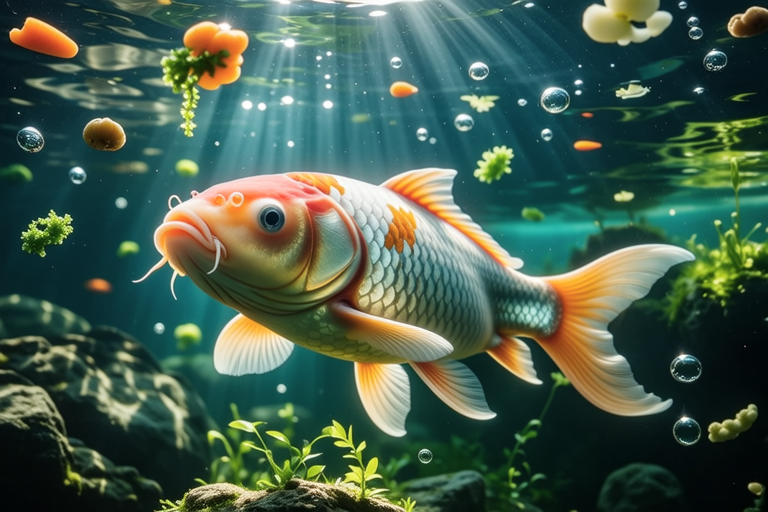
Beyond Fish Food: Creative Ways to Enhance Your Koi’s Diet
Koi fish are not just aquatic pets; they are vibrant additions to any garden pond. Providing your koi with a balanced diet is crucial for their overall health and well-being. While commercial fish food forms the backbone of their diet, there are many creative ways to enhance their nutritional intake and keep them healthy and colorful. This article explores various methods to enrich your koi’s diet beyond standard fish food, including natural foraging options, homemade koi treats, the benefits of varied diets, and safe feeding practices.
Understanding Koi Nutritional Needs
Koi require a balanced diet rich in proteins, fats, carbohydrates, vitamins, and minerals. Commercial fish food provides most of these nutrients, but supplementing their diet can lead to better health and more vibrant colors. The ideal diet should mimic what koi would eat in their natural environment, which includes insects, algae, and small crustaceans.
Natural Foraging Options
Incorporating natural foraging into your koi’s diet can be both fun and beneficial. Natural foraging allows koi to engage in their instinctual behaviors while providing them with a variety of nutrients.
Algae Growth
Encouraging algae growth in your pond can provide koi with a natural source of food. Algae are rich in essential nutrients like beta-carotene, which contributes to the vibrant colors of koi. To promote algae growth, ensure your pond has adequate sunlight and a balanced ecosystem.
Live Foods
Introducing live foods such as daphnia, brine shrimp, and bloodworms can significantly enhance your koi’s diet. These organisms are high in protein and provide essential nutrients that may be lacking in commercial food. However, it is important to ensure that the live foods are sourced from reputable suppliers to avoid introducing harmful parasites or diseases.
Homemade Koi Treats
Making homemade koi treats can be a rewarding activity that allows you to customize your koi’s diet based on their specific needs. Homemade treats can also serve as a special treat or reward during training sessions.
Fruit and Vegetable Treats
Fruits and vegetables can be a great addition to your koi’s diet. Apples, bananas, and melons are popular choices due to their high water content and natural sugars. Vegetables like zucchini, peas, and carrots can also be beneficial. It is important to ensure that fruits and vegetables are thoroughly washed and cut into small pieces before feeding to prevent choking hazards.
Protein-Rich Treats
Protein-rich treats can include boiled eggs, cooked chicken, and even certain types of fish. Boiled egg yolks are particularly beneficial as they are rich in omega-3 fatty acids, which contribute to healthy skin and scales. Chicken and fish should be boiled and finely chopped before feeding.
The Benefits of Varied Diets
Providing a varied diet can have numerous benefits for your koi’s health and appearance. A diverse diet ensures that koi receive all the necessary nutrients, leading to improved immune function and reduced susceptibility to diseases.
Health Benefits
A varied diet can strengthen koi’s immune systems, making them less prone to illnesses. Omega-3 fatty acids found in some fruits, vegetables, and protein sources help maintain healthy skin and scales. Additionally, varied diets can improve digestion and overall gut health.
Color Enhancement
One of the most noticeable benefits of a varied diet is the enhancement of koi’s colors. Nutrients like beta-carotene, found in algae and certain fruits and vegetables, contribute to the vibrant hues seen in healthy koi. By incorporating these nutrients into their diet, you can help your koi develop more vivid and attractive colors.
Tips for Safe Feeding Practices
While enhancing your koi’s diet is beneficial, it is crucial to do so safely to avoid harming your fish. Overfeeding or introducing unsafe foods can lead to health problems.
Feeding Amounts
It is important to feed koi only what they can consume within a few minutes. Overfeeding can lead to water quality issues and obesity. A general rule is to feed koi once or twice daily, offering no more than they can eat in three to five minutes.
Food Quality
Ensure that all food, whether commercial or homemade, is of high quality and free from contaminants. Homemade treats should be fresh and prepared in small batches to prevent spoilage. Always wash fruits and vegetables thoroughly before feeding them to your koi.
Observation
Regularly observe your koi for signs of overfeeding or adverse reactions to new foods. Look for changes in behavior, appetite, or physical condition. If you notice any unusual symptoms, consult a veterinarian specializing in aquatic animals.
Conclusion
Enhancing your koi’s diet beyond standard fish food can greatly benefit their health and appearance. By incorporating natural foraging options, homemade treats, and a varied diet, you can ensure that your koi receive all the necessary nutrients for optimal health and vibrant colors. Remember to follow safe feeding practices to protect your fish and maintain a healthy pond ecosystem.
