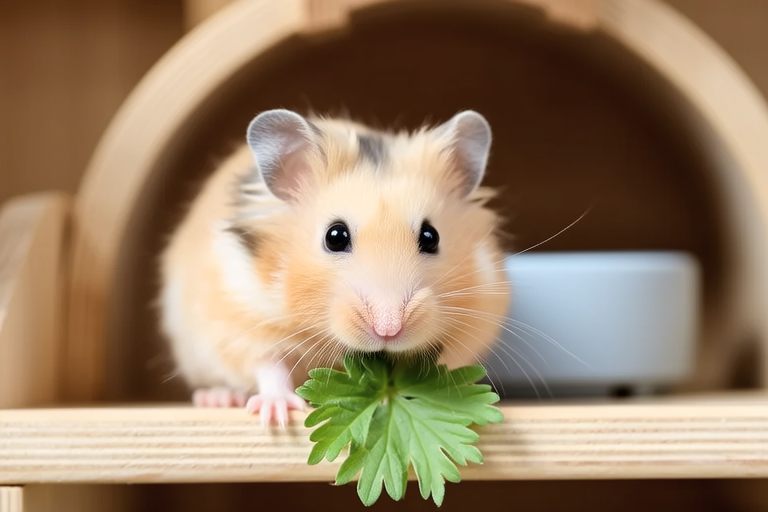
Health and Happiness: Essential Care Tips for Keeping Your Golden Hamster Thriving
Welcome to this comprehensive guide on how to ensure your golden hamster lives a healthy and happy life. Whether you’re a first-time owner or have years of experience, these essential care tips will help you provide the best environment for your furry friend.
Proper Diet: Fueling Your Hamster’s Health
A balanced diet is crucial for your hamster’s overall well-being. Golden hamsters thrive on a mix of high-quality pellets, fresh vegetables, and fruits. Opt for pellets that are specifically formulated for hamsters to ensure they get all the necessary nutrients. Fresh foods like carrots, broccoli, and apples can be offered in moderation but avoid feeding them anything toxic, such as chocolate, avocado, or rhubarb.
Always provide fresh water daily. A water bottle with a sipper tube is ideal, ensuring constant access. Monitor their food intake; sudden changes might indicate underlying health issues.
Suitable Housing: Creating a Comfortable Environment
Your hamster needs a spacious cage with solid flooring to prevent injuries from wire-bottomed cages. The cage should be large enough to allow for running and exploration. Include tunnels, platforms, and hideouts to mimic their natural burrowing behavior. Soft bedding materials like paper-based products or aspen shavings are preferable over cedar or pine shavings, which may irritate their respiratory system.
Keep the cage away from direct sunlight, drafts, and noisy areas. Regular cleaning of the cage is essential to maintain hygiene and prevent illness. Change the bedding weekly and clean the cage thoroughly every month.
Exercise Needs: Keeping Them Active and Healthy
Golden hamsters are active creatures that require regular exercise to stay fit. Provide a running wheel with a solid surface to prevent foot injuries. Place it securely within the cage so it doesn’t wobble. Rotate toys and accessories periodically to keep your hamster mentally stimulated and physically engaged.
Supplement playtime outside the cage under supervision. This allows them to explore and burn off extra energy, promoting mental and physical health.
Grooming Tips: Maintaining Cleanliness and Health
Hamsters are generally good groomers, but occasional assistance is beneficial. Gently brush their fur using a soft-bristled brush to remove loose hair and dirt. Check their ears, eyes, and teeth regularly for any signs of infection or abnormalities. Trim their nails if they become too long, but be cautious not to cut the quick, which contains blood vessels.
Handle your hamster gently and frequently to accustom them to being touched. This makes grooming sessions less stressful for both of you.
Common Health Issues: Recognizing and Addressing Problems Early
Like any pet, golden hamsters can suffer from various health issues. Common problems include dental issues, respiratory infections, and obesity. Dental problems can lead to drooling, difficulty eating, and weight loss. Respiratory infections manifest through sneezing, wheezing, and discharge from the nose or eyes. Obesity can result from overfeeding or lack of exercise.
If you notice any unusual behavior or physical symptoms, consult a veterinarian specializing in exotic pets immediately. Early intervention is key to successful treatment.
Signs of Distress: Identifying When Help Is Needed
Recognizing signs of distress in your hamster is vital for timely intervention. Lethargy, refusal to eat, abnormal feces, excessive grooming, or hiding more than usual could indicate discomfort or illness. Changes in behavior, such as aggression or excessive sleeping, should also prompt a visit to the vet.
Monitor your hamster closely, especially during stressful periods like moving or introducing new pets. Quick action can make a significant difference in their recovery.
Regular Vet Check-Ups: Ensuring Long-Term Health
Annual check-ups with a veterinarian are recommended for golden hamsters. These visits allow for early detection of potential health issues and ensure your hamster receives appropriate vaccinations. Discuss any concerns or observations with your vet to gain insights into maintaining optimal health.
Vaccinations are not typically required for hamsters, but routine examinations are crucial for monitoring their general condition and addressing any emerging health challenges.
Environmental Enrichment: Stimulating Their Minds
Providing environmental enrichment helps keep your hamster mentally stimulated and reduces stress. Introduce new toys, puzzles, and tunnels regularly to encourage exploration and problem-solving. Rotate these items periodically to maintain interest and engagement.
Interactive play sessions outside the cage can also enhance bonding between you and your hamster while offering valuable stimulation. Ensure the area is safe and free from hazards before allowing your hamster to explore.
Conclusion: Your Role in Their Well-Being
By following these care tips, you’ll create an enriching and supportive environment for your golden hamster. Regular attention to their dietary needs, housing conditions, exercise routines, grooming practices, and overall health ensures they live happily and healthily. Remember, your commitment to their well-being plays a significant role in their longevity and quality of life.
