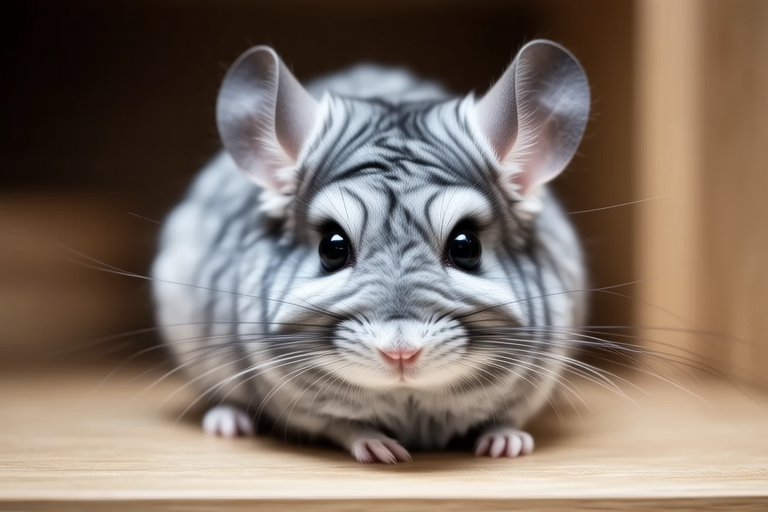
From Fluffy Friends to Furry Companions: Everything You Need to Know About Chinchillas
Welcome to the world of chinchillas! These small, adorable creatures have captured the hearts of many pet enthusiasts with their unique characteristics and charming personalities. Native to the Andes Mountains in South America, chinchillas are known for their incredibly soft fur, which inspired their nickname, “fluffy friends.” Over the years, they’ve become increasingly popular as pets, thanks to their low-maintenance nature and engaging demeanor. This article will guide you through everything you need to know about chinchillas, from their basic care to their dietary needs, housing, grooming, and common health issues. Let’s dive into the fascinating world of these furry companions.
Introduction: The Rise of Chinchillas as Pets
Chinchillas are members of the rodent family and are closely related to guinea pigs and porcupines. They are social animals that thrive in groups in the wild, but they can also make wonderful companions when properly cared for at home. Their thick, plush coats provide excellent insulation against cold temperatures, making them well-suited for cooler environments. Chinchillas are active during dusk and dawn, making them crepuscular creatures. This behavior, combined with their gentle and playful nature, makes them ideal pets for those who enjoy quiet, peaceful interactions.
Chinchilla Care
Caring for a chinchilla requires attention to detail and a commitment to their well-being. These animals are sensitive to heat and require a temperature-controlled environment, ideally between 60°F and 70°F (15°C and 21°C). It’s crucial to maintain humidity levels below 40% to prevent respiratory problems. Chinchillas are highly social creatures, so if possible, consider getting two or more chinchillas to keep each other company.
Diet Requirements
Chinchillas have specific dietary needs to ensure their health and longevity. Their diet primarily consists of hay, fresh water, and commercial chinchilla pellets. Timothy hay is recommended as it provides essential fiber and helps maintain dental health. Fresh water should always be available, and it’s advisable to use a sipper bottle designed for small animals. Avoid feeding chinchillas fruits, vegetables, or human treats, as these can lead to digestive issues and obesity. Instead, offer occasional chinchilla-safe treats like raisins or dried rose hips.
Housing Needs
Adequate housing is crucial for your chinchilla’s happiness and health. A spacious cage with multiple levels is ideal, allowing ample room for exercise and exploration. The cage should be made of durable materials such as stainless steel or powder-coated metal to withstand chewing. Line the bottom of the cage with paper-based bedding, avoiding pine or cedar shavings, which can irritate their respiratory system. Provide plenty of toys, tunnels, and platforms to stimulate mental and physical activity. A dust bath box is also necessary for grooming purposes, ensuring that your chinchilla stays clean and healthy.
Grooming Tips
One of the most enjoyable aspects of owning a chinchilla is watching them take a dust bath. Unlike water baths, chinchillas prefer to bathe in fine volcanic ash or specially formulated dust. Place the dust bath box in the cage and allow your chinchilla to roll around in the dust for about 10-15 minutes. This process helps remove loose fur and dirt while keeping their coat soft and silky. Regular grooming also includes checking for any signs of skin irritation, injuries, or parasites.
Common Health Issues
Like any pet, chinchillas can experience various health issues. Respiratory infections are common due to their sensitive respiratory systems, often caused by poor air quality or sudden temperature changes. Dental problems, such as overgrown teeth, can also occur if their diet lacks proper fiber. Signs of illness include lethargy, loss of appetite, diarrhea, or discharge from the eyes or nose. Regular veterinary check-ups are essential to catch and address any health concerns early on.
Fun Facts About Chinchillas
Chinchillas have fascinating adaptations that make them truly unique. Did you know that chinchillas have the densest fur of any land mammal? Each square inch of their coat contains up to 20,000 hairs, making them exceptionally soft and cuddly. Another interesting fact is that chinchillas are excellent jumpers, capable of leaping up to six feet in a single bound. They also communicate through a variety of vocalizations, including chirps, squeaks, and barks. These sounds can express excitement, fear, or distress, offering insight into their emotional state.
Advice for Potential Owners
If you’re considering adopting a chinchilla, there are several factors to keep in mind. First and foremost, ensure that you can provide a suitable environment and lifestyle for your new pet. Research local veterinarians who specialize in exotic animals to guarantee prompt medical care when needed. Additionally, prepare yourself for the time commitment required to care for a chinchilla. While they may seem low-maintenance, they still require regular interaction, attention, and enrichment activities to stay happy and healthy.
Lastly, remember that adopting a chinchilla is a long-term commitment. These animals can live up to 20 years with proper care, so be prepared for a lifelong friendship. With the right knowledge and dedication, you’ll be rewarded with a loving and delightful companion that brings joy and wonder into your life.
