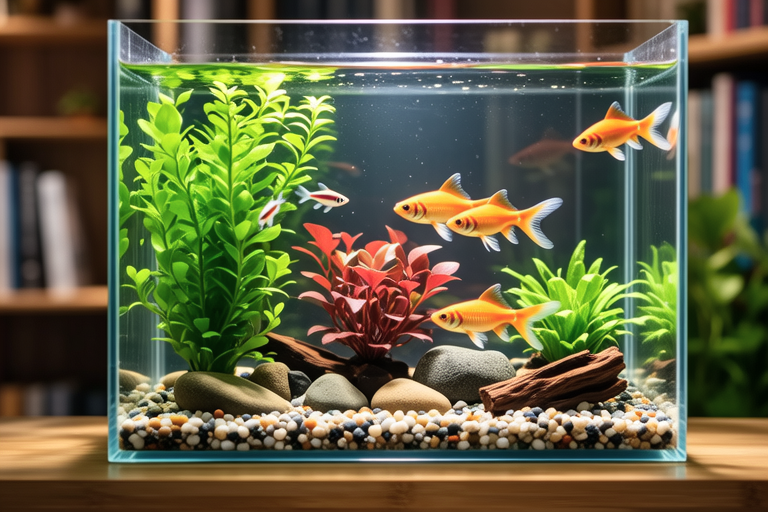
DIY Aquascape Guide for a Vibrant Goldfish Habitat
Welcome to your comprehensive DIY aquascape guide for creating a vibrant goldfish habitat! Whether you’re a seasoned aquarium enthusiast or a novice aquarist, this guide will help you set up a beautiful and healthy environment for your goldfish. We’ll cover everything from choosing the right tank and equipment to selecting suitable plants and hardscapes, ensuring your goldfish thrive in their new home.
Setting Up Your Aquascape
Starting with the basics, let’s discuss how to set up your aquascape for your goldfish. The first step is to choose the right tank size. Goldfish are active swimmers and require ample space to move around freely. A general rule of thumb is to provide at least 20 gallons of water per goldfish. This ensures they have enough room to swim and prevents overcrowding, which can lead to stress and health issues.
Once you’ve selected your tank, it’s time to prepare the substrate. Gravel or sand are popular choices for the bottom of your tank. Ensure that the substrate is clean and free of any harmful chemicals. For goldfish, a layer of smooth gravel about 1-2 inches deep works well. Avoid sharp-edged substrates as they can harm your fish.
Next, add water to the tank. Use dechlorinated water, either by treating tap water with a dechlorinator or using bottled spring water. It’s important to avoid using distilled water as it lacks essential minerals necessary for fish health.
Now, it’s time to install the filter. Goldfish produce a significant amount of waste, so a high-quality filter is crucial for maintaining water quality. Choose a filter that provides adequate flow and biological filtration for your tank size. Position the filter outlet away from the substrate to prevent disturbing the gravel and disrupting beneficial bacteria.
Finally, add the heater if your tank requires one. Goldfish prefer cooler water temperatures between 68°F and 74°F (20°C to 23°C). Ensure the heater is properly installed and set to maintain a stable temperature within this range.
Selecting Suitable Plants for Your Goldfish Tank
Plants play a vital role in creating a natural and aesthetically pleasing aquascape. They also contribute to the overall health of your tank by providing oxygen and absorbing waste products. However, not all plants are suitable for goldfish tanks due to their tendency to uproot or nibble on vegetation. Here are some plant species that thrive in goldfish habitats:
- Anubias: These hardy plants are resistant to being uprooted and provide excellent hiding spots for smaller fish. Anubias can be attached to driftwood or rocks using fishing line or aquatic glue.
- Java Fern: Java Fern is another robust plant that can withstand goldfish activity. It grows well when attached to driftwood or rocks and doesn’t require soil.
- Bloodwort (Hornwort): This fast-growing plant floats freely in the water column and helps keep algae in check. It’s easy to maintain and provides shelter for fry.
- American Waterweed (Elodea): American Waterweed is an ideal choice for goldfish tanks as it can tolerate low light conditions and occasional nibbling.
When selecting plants, consider their growth habits and compatibility with goldfish behavior. Avoid delicate or slow-growing plants that may be easily damaged by your fish.
Recommended Hardscapes for Your Goldfish Habitat
Hardscapes such as rocks, driftwood, and decorations add visual interest and create hiding spots for your goldfish. Here are some suggestions for enhancing your aquascape:
- Rocks: Smooth river rocks or pebbles are great additions to your tank. They come in various shapes and sizes, allowing you to create unique arrangements. Be sure to rinse them thoroughly before adding them to the tank to remove any dirt or debris.
- Driftwood: Driftwood adds a natural touch to your aquascape and provides surfaces for beneficial bacteria to colonize. It also helps lower the pH level of the water slightly, which can be beneficial for certain types of plants.
- Decorations: Consider adding caves, tunnels, or other decorative elements to create hiding spots and stimulate exploration. Just make sure these items are safe for your fish and won’t release harmful substances into the water.
Arrange your hardscapes thoughtfully to mimic natural environments while keeping in mind the swimming patterns of your goldfish. Avoid overcrowding the tank with too many structures, as this can limit movement and increase stress levels.
Filtration and Lighting Tips
Proper filtration is essential for maintaining clean water and supporting the health of your goldfish. As mentioned earlier, choose a filter that provides both mechanical and biological filtration. Mechanical filtration removes debris from the water, while biological filtration supports the growth of beneficial bacteria that break down ammonia and nitrites.
In addition to filtration, regular water changes are necessary to remove accumulated toxins and maintain optimal water quality. Aim to perform partial water changes every week, replacing approximately 25% of the tank’s volume.
Lighting plays a critical role in promoting plant growth and enhancing the appearance of your aquascape. Most aquarium lights provide sufficient illumination for plants, but if you plan to grow more demanding species, you may need specialized grow lights. Remember to avoid excessive lighting, as it can promote algae growth. A daily lighting schedule of 8-10 hours is usually sufficient.
Water Parameters Essential for Goldfish Health
Maintaining appropriate water parameters is crucial for ensuring the well-being of your goldfish. Regularly test the following parameters to ensure they remain within acceptable ranges:
- Temperature: Maintain a steady temperature between 68°F and 74°F (20°C to 23°C).
- pH Level: Goldfish prefer slightly alkaline water with a pH between 7.0 and 8.0.
- Ammonia and Nitrite Levels: Both should be undetectable in established tanks. If you notice elevated levels, it could indicate poor filtration or overstocking.
- Nitrate Levels: While not as toxic as ammonia or nitrite, nitrates should be kept below 40 ppm through regular water changes.
- Hardness: Goldfish can adapt to a wide range of hardness levels, but aim for moderate hardness between 8 and 12 dGH.
Use test kits to monitor these parameters regularly and adjust as needed. Consistent monitoring will help you identify potential issues early and take corrective action promptly.
Creative Layout Suggestions
To enhance the visual appeal of your goldfish habitat, consider incorporating creative layout ideas:
- Biotope Simulation: Create a mini ecosystem that mimics a specific natural habitat, such as a freshwater stream or pond. Use appropriate plants, hardscapes, and decorations to bring this theme to life.
- Color Contrast
