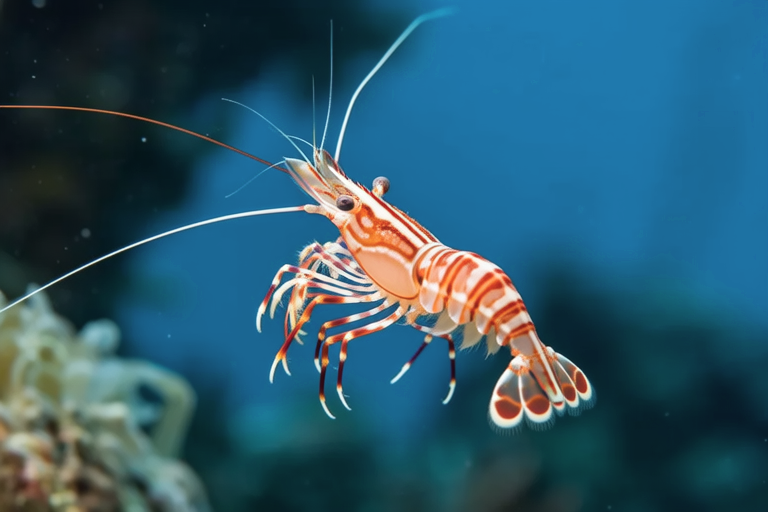
From Ocean Depths to Home Aquariums: The Journey of Coral Shrimp
Introduction
Coral shrimp, with their vibrant colors and intriguing behaviors, have captured the hearts of many aquarists. These tiny crustaceans play a crucial role in their natural ocean habitats, forming complex relationships with corals and other marine life. This article delves into the world of coral shrimp, exploring their unique characteristics, their vital roles in marine ecosystems, and their journey from the depths of the ocean to the comfort of home aquariums.
The Unique Characteristics and Role of Coral Shrimp in Their Natural Habitat
Coral shrimp (genus Stenopus) are small, colorful creatures that can be found in tropical and subtropical waters around the world. They are known for their striking appearance, with distinctive white bodies and bright red or blue spots. These shrimp are highly active and agile, making them a delight to observe in their natural environments.
In their native habitats, coral shrimp are often found in association with various species of corals, particularly stony corals like acroporas. They play a vital role in maintaining the health of these corals by feeding on algae and detritus that could otherwise harm the delicate polyps. Their presence also helps control populations of smaller organisms that might prey on coral larvae, thus aiding in the reef’s regeneration.
Coral shrimp are also known for their symbiotic relationships with other marine creatures. For instance, they frequently share space with cleaner wrasses and other fish species that benefit from their services. In return, the shrimp receive protection from larger predators and access to food scraps left behind by the fish.
Transitioning to Home Aquariums: The Challenges and Considerations
With their vibrant colors and beneficial roles, it’s no surprise that coral shrimp have become increasingly popular among aquarium hobbyists. However, bringing these creatures into the home requires careful consideration and preparation to ensure their well-being.
One of the primary challenges in keeping coral shrimp is providing an environment that closely mimics their natural habitat. This involves maintaining specific water parameters such as temperature, salinity, and pH levels. Additionally, coral shrimp require a balanced diet that includes both meaty foods and plant matter, which can be challenging to replicate accurately in captivity.
Compatibility with other tank inhabitants is another critical factor. While coral shrimp are generally peaceful, they may become stressed or aggressive if housed with overly territorial or predatory species. It’s essential to research potential tank mates thoroughly before introducing coral shrimp to a community tank.
Tips for Setting Up an Optimal Environment
To create a thriving environment for coral shrimp, several key factors must be addressed:
- Water Parameters: Maintain stable water conditions, including temperature between 75°F and 82°F, salinity at 1.023 – 1.025 specific gravity, and pH levels around 8.1 – 8.4.
- Diet: Provide a varied diet consisting of high-quality frozen or live foods like brine shrimp, mysis shrimp, and algae wafers. Supplement this with occasional pieces of fresh vegetables or seaweed.
- Compatibility: Choose tank mates carefully, avoiding species known for aggressive behavior or predation. Suitable companions include peaceful fish, snails, and other non-aggressive shrimp.
The Importance of Responsible Aquarist Practices
As the demand for coral shrimp grows, so does the responsibility placed upon aquarists to ensure ethical sourcing and proper care. Overharvesting wild populations can lead to ecological imbalances, threatening the very ecosystems these creatures call home. Therefore, supporting sustainable breeding programs and purchasing from reputable suppliers is paramount.
Moreover, practicing good husbandry techniques within one’s own aquarium contributes significantly to the overall health and longevity of captive coral shrimp. Regular maintenance, monitoring water quality, and addressing any signs of stress or disease promptly are all essential steps toward creating a healthy environment.
Ultimately, by embracing responsible aquarist practices, we can enjoy the beauty and wonder of coral shrimp while helping to preserve the delicate balance of our planet’s marine ecosystems.
