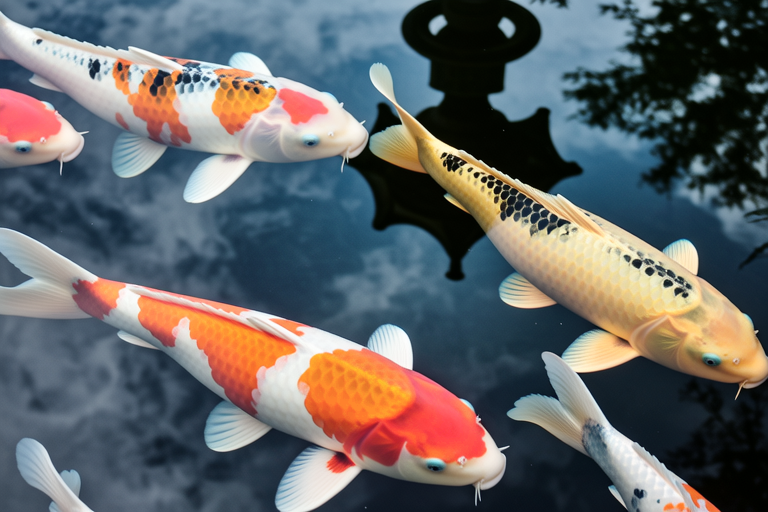
The Captivating World of Koi Fish: Myths and Facts
Koi fish, with their vibrant colors and graceful movements, have captured the hearts of many around the world. Originating from Japan, these ornamental carp are more than just beautiful creatures; they hold deep cultural significance. In Japanese culture, koi symbolize perseverance, strength, and good fortune. The practice of keeping koi in ponds has spread globally, making them a popular choice for garden ponds and water features. This article explores the captivating world of koi, delving into common myths and providing factual insights that will enrich your understanding and appreciation of these magnificent fish.
Myths Surrounding Koi Fish
One of the most enduring myths about koi is their supposed ability to recognize their owners. Many believe that koi can distinguish between different faces and even respond to their names. While it’s true that koi can become accustomed to regular feeding times and may swim closer to the edge of the pond when they anticipate food, there is no scientific evidence to support the idea that they recognize individual humans. Another myth is the belief that certain colors of koi bring specific blessings or fortunes. For instance, red koi are often associated with love and prosperity, while black koi represent mystery and strength. These associations are deeply rooted in Asian culture but lack any scientific basis.
Factual Insights About Koi Fish
Contrary to popular belief, koi do not live forever. On average, koi can live up to 30 years, though some exceptional cases have been reported where koi lived well into their 40s. Their longevity depends on various factors, including diet, water quality, and habitat conditions. Proper nutrition is crucial for maintaining the health and vibrancy of koi. A balanced diet typically consists of high-quality commercial pellets supplemented with occasional treats like vegetables, fruits, and live or frozen foods. Koi also require clean, well-oxygenated water to thrive. Ideally, the pond should be equipped with a filtration system and aeration devices to ensure optimal water quality.
When it comes to habitat preferences, koi generally prefer ponds with ample space for swimming and hiding. They enjoy areas with plenty of aquatic plants and rocks for shelter. The depth of the pond should be sufficient to protect koi during winter months when temperatures drop. Shallow ponds can lead to freezing of the entire water body, which is lethal for koi. Additionally, koi need protection from predators, so it’s important to secure the pond with a cover or netting if necessary.
Tips for Maintaining a Healthy Koi Pond
Maintaining a healthy koi pond involves several key practices. Regular water testing is essential to monitor pH levels, ammonia, nitrite, and nitrate concentrations. These parameters should be kept within safe ranges to prevent stress and disease in koi. Water changes are another critical aspect of pond maintenance. Aim to replace approximately 10% of the water weekly to dilute harmful substances and replenish essential minerals. Proper filtration is vital for removing debris and excess nutrients from the water. Choose a filter that matches the size of your pond and provides adequate flow rates.
Pest control is also necessary to keep your koi healthy. Algae blooms can deplete oxygen levels in the pond, leading to stress and illness in koi. Use algicides sparingly and opt for biological controls whenever possible. Introducing algae-eating organisms like snails or tadpoles can help manage algae growth naturally. Additionally, consider adding beneficial bacteria to your pond. These microorganisms break down organic matter and contribute to a stable ecosystem. Finally, avoid overstocking your pond. Too many koi can strain resources and lead to competition for food and space.
The Emotional Bond with Koi
Despite the myths surrounding koi’s ability to recognize faces, many owners develop a strong emotional bond with their fish. Observing koi in their natural habitat can be a soothing and meditative experience. Each koi has its own unique personality, and over time, owners often come to recognize individual behaviors and preferences. Some koi may be more adventurous, exploring new areas of the pond, while others prefer to stay close to familiar spots. Watching koi interact with each other and react to their environment fosters a sense of connection and responsibility for their well-being.
The care and maintenance of koi ponds can also be therapeutic. Tending to the water, cleaning filters, and preparing meals for your koi provide opportunities for mindfulness and relaxation. Many hobbyists find joy in sharing their experiences and knowledge with fellow enthusiasts. Online forums, local clubs, and social media groups offer platforms for exchanging advice, troubleshooting issues, and celebrating successes.
Conclusion
The world of koi fish is rich with cultural significance, myths, and scientific facts. From their supposed ability to recognize faces to the symbolism of different colors, koi have captivated the imagination of people worldwide. Understanding the realities of koi care, including their dietary needs, habitat preferences, and the importance of proper pond maintenance, can enhance your enjoyment and appreciation of these remarkable fish. Ultimately, the emotional bond formed with koi and the recognition of their unique personalities make them cherished companions in gardens and ponds across the globe.
