The Ultimate Guide to Owning a Gentle Giant: Lop Rabbits Explained
Welcome to the world of lop rabbits, one of the most beloved and gentle breeds of domesticated rabbits. Known for their large size and drooping ears, these rabbits are often referred to as ‘gentle giants.’ This comprehensive guide will help you understand everything about lop rabbits, from their basic characteristics to housing, diet, grooming, and more.
Basic Characteristics of Lop Rabbits
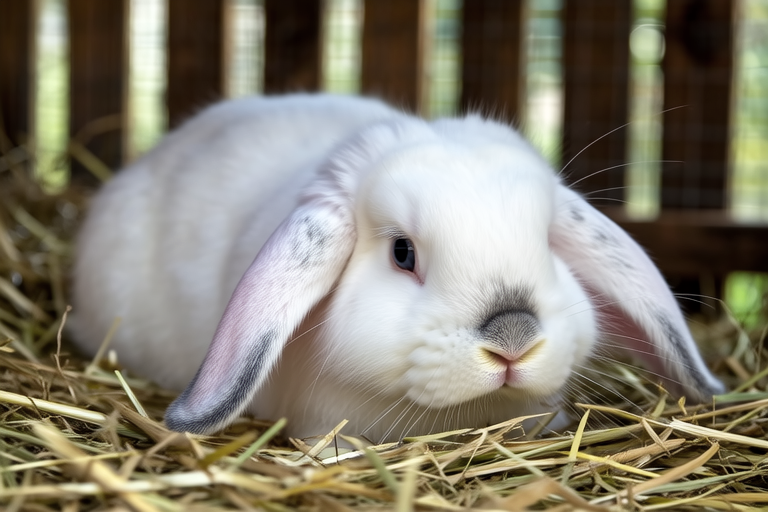
Lop rabbits come in various sizes and types, but they all share some common traits. They are generally larger than other rabbit breeds, with adult lops typically weighing between 4 to 7 kilograms (8.8 to 15.4 pounds). Their most distinctive feature is their long, floppy ears that can reach up to 20 cm (8 inches) in length. These ears can sometimes be a source of discomfort, so it’s important to ensure they are kept clean and free from dirt or debris.
Lop rabbits have a calm and docile temperament, making them excellent pets for families with children. They are known for their affectionate nature and enjoy being petted and cuddled. However, like any animal, they need time to adjust to new environments and people. Patience and gentle handling are key when introducing them to your home.
Physically, lop rabbits have short, dense fur that comes in a variety of colors and patterns. The most common colors include black, white, fawn, and blue, but you can also find them in shades of chocolate, lilac, and tortoiseshell. Their dense fur requires regular grooming to prevent matting and keep their coat shiny and healthy.
Housing Requirements
When it comes to housing your lop rabbit, size matters. These rabbits need ample space to move around comfortably. A cage that is at least 3 feet wide, 6 feet long, and 2 feet high is recommended. If you have the space, allowing your rabbit to roam freely in a designated area of your home is ideal. Just make sure the area is safe and free from hazards like electrical cords and small objects that could be swallowed.
The ideal living space for a lop rabbit should be quiet, clean, and well-ventilated. Avoid placing their habitat in direct sunlight or near drafts, as these can cause stress and discomfort. Providing a comfortable bedding material, such as straw or shredded paper, is essential for their comfort. Additionally, include accessories like a litter box, food and water dishes, and a hideaway for them to retreat to when they need some alone time.
Dietary Needs
A balanced diet is crucial for the health and longevity of your lop rabbit. Their diet should consist primarily of hay, which should make up 80% of their daily intake. Timothy hay is particularly recommended due to its high fiber content. Fresh vegetables and fruits can be given in moderation, with leafy greens like kale, spinach, and romaine lettuce being good choices. Always introduce new foods gradually to avoid digestive issues.
Treats can be offered occasionally, but it’s important to choose them wisely. Avoid sugary snacks like carrots and apples, as they can lead to obesity and dental problems. Instead, opt for healthier options like hay cubes or small pieces of dried herbs. Remember, treats should only make up 10% of their diet.
Common feeding mistakes to avoid include overfeeding, feeding inappropriate foods, and not providing enough fresh water. Always monitor your rabbit’s eating habits and consult with a veterinarian if you notice any changes in their appetite or weight.
Grooming Tips and Health Care Advice
Grooming your lop rabbit regularly is essential to maintain their coat’s health and prevent skin issues. Brush them at least once a week, paying special attention to their long ears. Use a soft brush to gently remove any dirt or debris. Regular baths are not necessary, but if your rabbit gets particularly dirty, a quick rinse with warm water can help.
Health care is another important aspect of rabbit ownership. Schedule regular check-ups with a veterinarian who specializes in exotic animals. Common health issues include dental problems, respiratory infections, and gastrointestinal disorders. Early detection and treatment are key to managing these conditions effectively.
Signs of illness in rabbits include lethargy, loss of appetite, runny nose, and diarrhea. If you notice any of these symptoms, seek veterinary care immediately. Additionally, keep an eye on their teeth and nails. Trim their nails every few weeks and have their teeth checked by a professional to ensure they are not overgrown.
Training and Socialization Techniques
Training and socialization are important for ensuring a well-behaved pet. Start by creating a positive environment where your rabbit feels safe and comfortable. Use treats as rewards to encourage good behavior, such as coming when called or using the litter box. Consistency is key in training, so be patient and persistent.
Socializing your rabbit with other pets and humans can also enhance their behavior. Introduce them to new environments gradually and allow them to explore at their own pace. Encourage gentle handling and interaction to build trust and confidence. Remember, every rabbit is different, so adapt your approach based on their individual personality.
Exercise Needs and Suitable Play Activities
Exercise is vital for maintaining your lop rabbit’s physical and mental health. Provide them with opportunities to stretch their legs and burn off energy. Daily playtime outside of their enclosure is recommended, with supervision to ensure their safety. You can create an obstacle course with tunnels and ramps to stimulate their curiosity and provide mental stimulation.
Interactive toys, such as chew toys and puzzle feeders, can also help keep your rabbit entertained and engaged. Rotate their toys regularly to keep things interesting and prevent boredom. Providing a variety of activities will help ensure your rabbit stays happy and healthy.
Choosing the Right Breeder and Adopting a Healthy Rabbit
When choosing a breeder, look for someone who prioritizes the health and well-being of their rabbits. Visit their facility to observe the living conditions and meet the parents of the rabbit you’re interested in. A reputable breeder will be transparent about the rabbit’s lineage, health history, and any potential genetic predispositions to certain conditions.
If you’re considering adoption, visit local shelters and rescue organizations. Many rabbits in need of homes come from loving families who can no longer care for them. Adoption is a rewarding way to give a second chance to a deserving pet. Before bringing your new rabbit home, have all necessary supplies ready and prepared to make the transition as smooth as possible.
In conclusion, owning a lop rabbit can be a rewarding experience filled with love and companionship. By understanding their unique needs and providing proper care, you can ensure your gentle giant lives a long and healthy life. Whether you’re a first-time rabbit owner or an experienced caregiver, this guide provides valuable insights to help you create a happy and thriving home for your lop rabbit.
