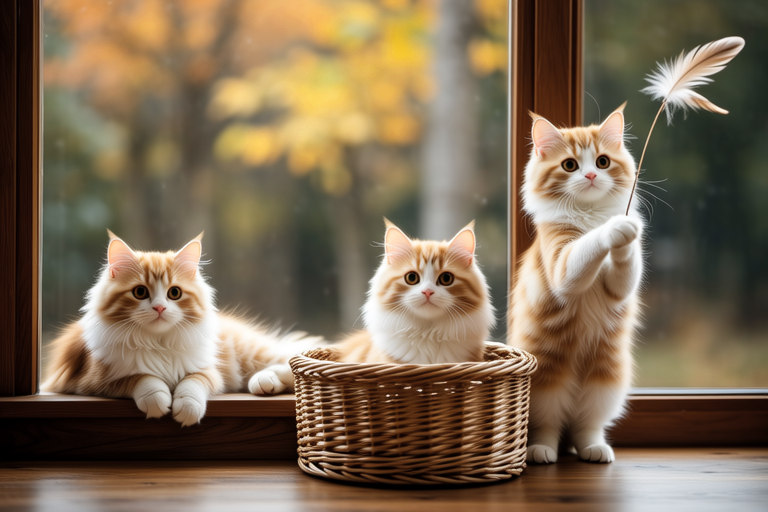
Orange Cats and Their Unique Personalities Explained
Orange cats, often referred to as ginger or marmalade cats, are one of the most recognizable and beloved feline breeds. Their striking orange fur, which can range from a pale cream to a deep auburn, makes them stand out in any crowd. These cats are not only visually appealing but also have distinct personalities that set them apart from other breeds. In this article, we will explore the prevalence and physical traits of orange cats, delve into their unique personalities, and provide tips for potential owners on how to best care for and bond with these charming creatures.
The Prevalence and Physical Traits of Orange Cats
Orange cats are relatively common, accounting for approximately 20% of the feline population. This prevalence can be attributed to the genetic makeup of the orange gene, which is linked to the X chromosome. Males have one X and one Y chromosome, while females have two X chromosomes. As a result, male cats are more likely to be orange than females, who may carry the orange gene but not always express it.
Physically, orange cats come in various shapes and sizes, with some being slender and athletic, while others are stocky and robust. Their coats can be short or long, and they often have green or gold eyes that complement their vibrant fur. Some orange cats also have white markings, adding to their unique appearance. Despite these variations, the defining characteristic of orange cats remains their striking orange coat, which can range from a soft cream to a rich, deep red.
Common Personality Traits Associated with Orange Cats
Orange cats are often described as having distinct personalities, which can be both endearing and challenging. Behavioral studies and anecdotal evidence suggest that orange cats tend to be more confident and outgoing compared to other breeds. They are known for their playful nature and love of attention, often seeking out interaction with their human companions. Many orange cats are also quite vocal, expressing their desires through meows and purrs.
One of the most notable traits of orange cats is their loyalty. They form strong bonds with their owners and often become attached to specific family members. This loyalty can sometimes lead to possessiveness, as they may prefer the company of their favorite person over others. However, this behavior is generally seen as a sign of affection rather than jealousy.
Social Behaviors and Intelligence Levels
Orange cats are social animals and thrive in environments where they receive regular attention and affection. They enjoy spending time with their owners and are often found following them around the house. This social nature makes them well-suited for families with children or other pets, as they typically get along well with others. However, it’s important to note that every cat is different, and some orange cats may prefer solitude or require more space.
In terms of intelligence, orange cats are often considered to be among the smartest breeds. They are quick learners and can be trained to perform simple tricks or respond to commands. Their intelligence is reflected in their problem-solving abilities, as they are often seen figuring out how to open doors or cabinets to access treats or toys. This curiosity and resourcefulness make them entertaining companions.
Interactions with Humans and Other Pets
Orange cats are known for their friendly and affectionate interactions with humans. They often seek out physical contact, enjoying being petted, brushed, and cuddled. Their loyalty means that they are usually very attentive to their owners’ moods and may offer comfort during times of stress or sadness. This emotional intelligence makes them excellent therapy cats.
When it comes to interacting with other pets, orange cats are generally accepting and adaptable. They can coexist peacefully with dogs, birds, and even other cats, provided they are introduced gradually and given time to adjust. However, their strong personalities mean that they may assert dominance in multi-pet households, especially if there are conflicts over resources like food or toys.
Tips for Potential Owners
If you’re considering bringing an orange cat into your home, there are several things to keep in mind to ensure a happy and healthy relationship. First, it’s important to provide plenty of stimulation to keep your orange cat mentally engaged. This can include interactive toys, puzzle feeders, and regular play sessions. Their intelligence means that they can become bored easily, so keeping them entertained is key to their happiness.
Second, orange cats benefit from a routine, as they appreciate structure and consistency. Feeding times, playtimes, and grooming sessions should be scheduled at regular intervals to help them feel secure. Additionally, providing a comfortable sleeping area and access to high perches will allow your orange cat to feel safe and content.
Finally, it’s essential to pay attention to your orange cat’s health and well-being. Regular veterinary check-ups, a balanced diet, and proper grooming are all crucial for maintaining their physical health. Mental health is equally important, so make sure to spend quality time with your cat and provide opportunities for social interaction.
Conclusion
Orange cats are not only beautiful but also fascinating companions with unique personalities and behaviors. Their confidence, loyalty, and intelligence make them stand out among other breeds. Whether you’re a seasoned cat owner or new to the world of felines, an orange cat can bring joy and companionship to your life. By understanding their needs and providing the right environment, you can ensure a strong and loving bond with your orange cat. So, if you’re looking for a special addition to your family, consider welcoming an orange cat into your home and experience the magic of their distinctive presence.
