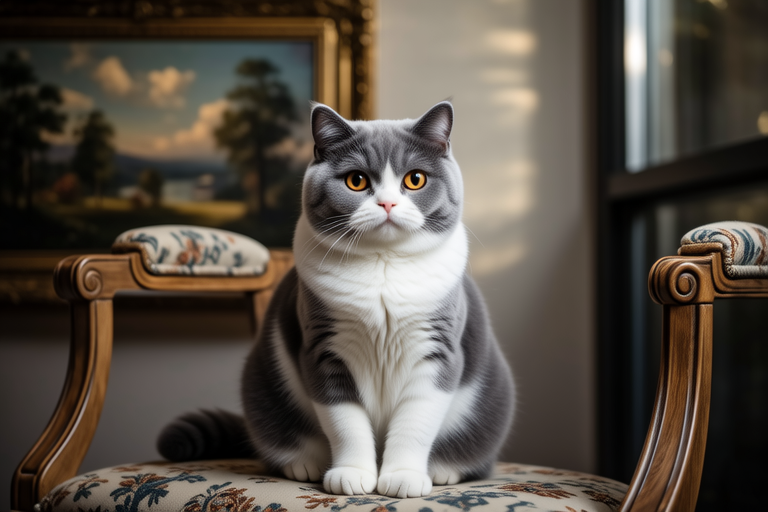
The History and Care of Munchkin Cats
The Munchkin cat, with its distinctive short legs, has captured the hearts of cat lovers around the world. This breed’s journey from its mysterious origins to its current status as a beloved pet is rich with intrigue and charm. Let’s delve into the fascinating history, unique characteristics, and essential care tips for this delightful feline.
Origins and Early Presence
The exact origins of the Munchkin cat remain somewhat of a mystery. Some believe that the breed’s ancestors may have been found in Russia, where similar cats were documented in the 19th century. However, it was in the United States during the 1980s that the Munchkin gained significant attention. Sandra Hochenedel discovered two cats, one black and one blue, crouching under a pickup truck in Louisiana. These cats had unusually short legs, and Hochenedel named them Blackberry and Toulouse. Blackberry was pregnant at the time, and her kittens inherited the same trait.
Although there are no records of Munchkins being present in royal courts, their unique appearance and charming personalities have made them popular among various social circles. Their ability to adapt to different environments has contributed to their widespread appeal. Despite their small stature, Munchkins possess an air of elegance and grace that makes them stand out in any setting.
Challenges and Acceptance in Cat Societies
The initial response to the Munchkin cat was mixed. Critics raised concerns about the genetic implications of breeding for shorter legs, fearing potential health issues such as spinal problems or respiratory difficulties. However, proponents argued that selective breeding could mitigate these risks. Over time, the International Cat Association (TICA) recognized the Munchkin as a legitimate breed in 2003, marking a significant milestone in the breed’s journey.
This recognition was followed by increased interest and acceptance within cat societies. Today, Munchkins participate in shows and competitions alongside other recognized breeds, showcasing their unique beauty and charm. Their acceptance into cat societies reflects a broader appreciation for diversity in feline genetics and aesthetics.
Adaptation to Modern Homes
In recent years, Munchkins have become increasingly popular as household pets. Their playful nature, affectionate demeanor, and adaptability make them ideal companions for families and individuals alike. Unlike some other breeds, Munchkins are not overly demanding and can thrive in various living conditions.
Anecdotes abound about famous Munchkin cats, though none have achieved the level of celebrity as certain other animals. One notable story involves a Munchkin named “Lil Bub,” who became an internet sensation due to her unique appearance and personality. Lil Bub’s popularity helped raise awareness about the breed and showcased the unique charm of Munchkin cats.
Unique Physical Traits
Munchkin cats are most recognizable for their disproportionately short legs, which give them a distinctively low-slung appearance. This trait results from a naturally occurring genetic mutation known as the Mnmn gene. Despite their shorter legs, Munchkins are generally healthy and active, often surprising owners with their agility and speed.
Aside from their legs, Munchkins come in a variety of coat colors and patterns, including solid colors, tabby, tortoiseshell, and calico. They also have large, expressive eyes that add to their overall charm. The average weight for a Munchkin ranges between 5 to 9 pounds, making them relatively compact and easy to manage.
Common Health Concerns
While Munchkins are generally healthy, they may be prone to certain health issues due to their unique body structure. Spinal problems, such as lordosis (an abnormal inward curvature of the spine), are more common in this breed than in others. Regular veterinary check-ups can help monitor spinal health and address any issues early on.
Another concern is respiratory issues, which may be exacerbated by their flattened facial structure in some cases. Proper care and regular visits to the vet can help manage these conditions effectively. It’s important to note that while these concerns exist, many Munchkins live long, healthy lives without significant health issues.
Temperament and Care Tips
Munchkin cats are known for their friendly and sociable nature. They enjoy interacting with their human companions and can be quite playful. Their curiosity often leads them to explore their surroundings, making them excellent indoor pets. Munchkins are also adaptable and can adjust well to changes in their environment.
Care for Munchkin cats is relatively straightforward. Providing them with a balanced diet, fresh water, and regular grooming will keep them healthy and happy. Regular brushing helps maintain their coat’s condition and reduces shedding. Additionally, ensuring they have plenty of space to move around and play is crucial for their physical and mental well-being.
Toys that stimulate their natural hunting instincts, such as feather wands or laser pointers, can provide hours of entertainment. Interactive playtime not only keeps Munchkins mentally sharp but also strengthens the bond between cat and owner. Creating vertical spaces, like shelves or cat trees, allows them to reach new heights despite their shorter legs.
Conclusion
The journey of the Munchkin cat from its origins to its place in modern homes is a testament to the enduring appeal of unique and charming creatures. From Sandra Hochenedel’s discovery to their recognition by TICA and beyond, Munchkins have overcome challenges and earned their place in the hearts of cat lovers worldwide.
With their distinctive appearance, playful nature, and adaptability, Munchkin cats make wonderful companions for those seeking a loving and entertaining pet. Whether you’re a seasoned cat enthusiast or a newcomer to the world of felines, a Munchkin cat could be the perfect addition to your family. By understanding their unique needs and providing proper care, you can ensure that your Munchkin lives a long, healthy, and happy life.
