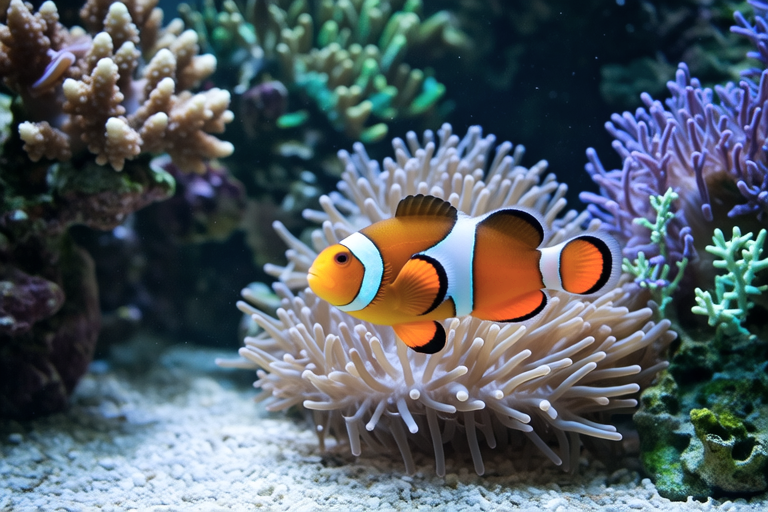
7 Creative DIY Tips for Setting Up the Perfect Clownfish Aquarium
Clownfish are one of the most popular and beloved saltwater aquarium fish due to their vibrant colors, playful personalities, and ease of care. However, setting up the perfect clownfish aquarium requires more than just filling a tank with water and adding fish. It involves creating a balanced ecosystem that mimics their natural habitat, ensuring their health and happiness. Here are seven creative DIY tips to help you set up the ideal clownfish aquarium.
1. Tank Setup: Creating a Natural Habitat
The first step in setting up your clownfish aquarium is selecting the right tank size and shape. Clownfish require at least 30 gallons of water, but larger tanks are always better as they provide more space for swimming and reduce the risk of ammonia spikes. Opt for a long rectangular tank over a tall one to give them ample room to swim horizontally. Use live rock to create caves and crevices where the clownfish can hide and feel secure. Ensure the rocks are securely fastened to prevent any accidents. Additionally, consider adding some fake or real anemones to replicate their natural environment.
2. Water Parameters: Maintaining Ideal Conditions
Water quality is crucial for the health of your clownfish. Start by cycling your tank to establish beneficial bacteria that will break down waste products. Test the water regularly for ammonia, nitrite, and nitrate levels, maintaining a pH between 8.1 and 8.4. Keep the temperature around 76-82°F (24-28°C) and salinity at 1.020-1.025 specific gravity. Perform weekly water changes of about 10-20% to keep the water clean and stable. Using a high-quality water conditioner can help remove harmful chemicals from tap water.
3. Suitable Decorations: Enhancing the Aesthetic Appeal
Adding decorations to your clownfish aquarium not only enhances its visual appeal but also provides hiding spots and enrichment for the fish. Choose decorations that mimic the natural coral reefs, such as branching corals, sea fans, and live rocks. You can also add artificial plants, driftwood, and ceramic structures. Ensure all decorations are safe for marine life and won’t leach toxins into the water. Arrange these items strategically to create various levels and zones within the tank, providing different areas for the clownfish to explore.
4. Filtration Systems: Ensuring Clean Water
A robust filtration system is essential for maintaining water quality and promoting the health of your clownfish. Choose a filter that suits your tank size and provides mechanical, biological, and chemical filtration. Mechanical filtration removes large particles, while biological filtration supports the growth of beneficial bacteria that break down toxic substances. Chemical filtration helps absorb dissolved organic compounds. Consider using a protein skimmer to remove organic waste before it breaks down, which is particularly important for saltwater tanks. Regular maintenance of the filter ensures optimal performance.
5. Lighting: Mimicking Natural Daylight Cycles
Proper lighting is vital for the well-being of your clownfish and the overall appearance of your aquarium. Use full-spectrum LED lights that mimic natural daylight cycles. Aim for 8-10 hours of light per day, simulating the sun’s rise and set. This helps regulate the fish’s circadian rhythms and encourages natural behaviors. Avoid excessive lighting, as it can lead to algae growth and stress the fish. Position the lights at the top of the tank to ensure even distribution of light across the entire aquarium.
6. Feeding Habits: Providing Balanced Nutrition
Clownfish are omnivorous and require a balanced diet to thrive. Feed them a variety of foods, including high-quality flake food, frozen or live brine shrimp, and mysis shrimp. Offer small amounts of food two to three times a day, ensuring they consume everything within a few minutes. Overfeeding can lead to poor water quality and obesity. Monitor their eating habits and adjust the quantity accordingly. Introduce new foods gradually to avoid digestive issues. Consider supplementing their diet with vitamin-rich foods to enhance their coloration and overall health.
7. Compatible Tank Mates: Promoting a Peaceful Environment
Selecting the right tank mates is crucial for maintaining a peaceful and harmonious environment in your clownfish aquarium. Clownfish generally get along well with other peaceful species, but it’s essential to choose compatible tank mates carefully. Good choices include blennies, gobies, and non-aggressive wrasses. Avoid aggressive or territorial fish that may bully or compete with the clownfish for resources. Research each potential tank mate thoroughly to ensure compatibility and avoid introducing species that might harm the clownfish or disrupt the tank’s balance.
Creating the perfect clownfish aquarium involves careful planning and attention to detail. By following these seven DIY tips, you can set up a thriving environment that promotes the health and happiness of your clownfish. Remember, the key to a successful aquarium is creating a balanced ecosystem that mimics their natural habitat, ensuring the longevity and well-being of your aquatic companions. Happy fishkeeping!
