Exploring Norway’s Diverse Pet Trends: From Rural Mountains to Urban Cities
In recent years, Norway has seen a significant shift in pet ownership, reflecting the country’s diverse landscapes, cultural heritage, and modern lifestyle. This article delves into the various pet trends across different regions of Norway, from the rugged mountains to bustling cities. It highlights popular pet types, unique care practices, dietary preferences, and recreational activities favored by Norwegian pet owners. Additionally, it examines the impact of climate and geography on pet choices and lifestyles, insights into local pet stores, veterinary care, and community involvement in pet welfare. The influence of traditional Norwegian culture on modern pet trends and expectations is also analyzed.
Popular Pet Types Across Norway
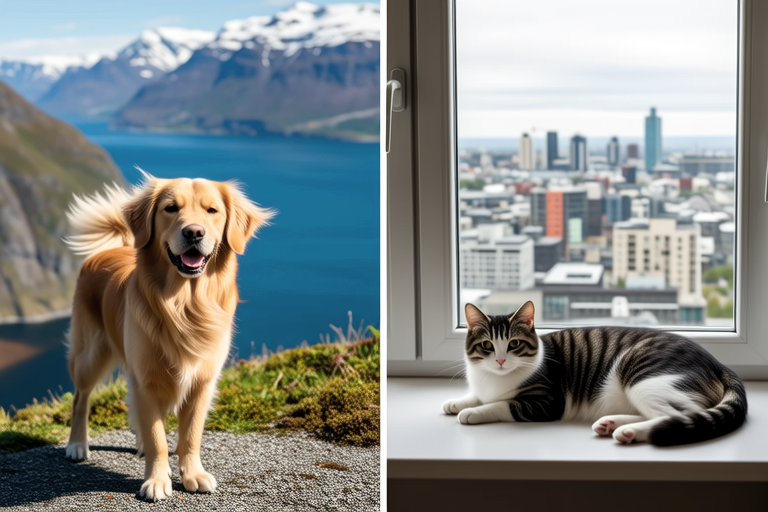
The choice of pets in Norway varies significantly depending on the region. In rural mountain areas, dogs reign supreme, particularly breeds like the Norwegian Elkhound and the Lundehund, known for their ability to thrive in harsh winter conditions. These dogs are often used for hunting and herding, making them ideal companions for outdoor enthusiasts. Meanwhile, in urban cities, smaller pets such as cats and small rodents (like hamsters and guinea pigs) are more common. Cats, with their independent nature, fit well into apartment living, while small rodents provide an interactive yet manageable pet option for city dwellers.
For those who prefer less conventional pets, exotic animals have gained popularity. Reptiles, birds, and even fish are becoming increasingly popular among Norwegians. Pet stores in cities like Oslo and Bergen offer a wide variety of exotic pets, along with the necessary equipment and supplies.
Unique Care Practices and Dietary Preferences
Due to the cold climate, especially in rural areas, pet owners in Norway place a strong emphasis on ensuring their pets stay warm and healthy. In winter, many dog owners invest in insulated jackets and boots for their furry friends. Additionally, they ensure their pets have access to heated shelters or indoor spaces to avoid frostbite.
Dietary preferences for pets in Norway tend to favor high-quality, natural ingredients. Many pet owners opt for organic and locally sourced foods, reflecting the country’s commitment to sustainability. Specialty pet food stores in cities offer a range of organic options, including raw diets and freeze-dried meals. This focus on quality nutrition ensures that pets maintain optimal health, even in challenging weather conditions.
Recreational activities vary based on the environment. In rural areas, hiking and skiing with dogs are popular pastimes, while in cities, walking and playing in parks are common. Dog agility courses and obedience training classes are also widely available, providing both mental and physical stimulation for pets.
The Impact of Climate and Geography on Pet Choices and Lifestyles
The geographical diversity of Norway plays a crucial role in shaping pet trends. In the north, where winters are long and harsh, large, sturdy dogs are preferred for their ability to withstand the cold. Conversely, in the south, where summers are longer and milder, smaller pets like cats and rabbits are more common. The availability of outdoor space also influences pet choices; families with larger homes and yards in rural areas are more likely to own dogs, while apartment dwellers in cities tend to opt for smaller pets.
The climate also affects the types of activities pet owners engage in. In winter, sledding and snowshoeing with dogs are popular, while in summer, swimming and hiking are favored. The rugged terrain of the mountains provides ample opportunities for adventure, but it also requires careful planning to ensure the safety and comfort of pets.
Insights into Local Pet Stores and Veterinary Care
Local pet stores in Norway cater to the specific needs of their communities. In rural areas, stores stock a variety of outdoor gear for dogs, including harnesses, leashes, and protective clothing. They also offer grooming services and boarding facilities for pets when owners are away. In cities, pet stores focus on smaller pets and provide a wider selection of toys, treats, and accessories.
Veterinary care in Norway is highly regulated and of high quality. Most towns and cities have at least one veterinary clinic, and many offer 24-hour emergency services. Pet insurance is common, helping to cover the costs of routine check-ups and unexpected medical expenses. Many clinics also offer specialized services, such as dental care, acupuncture, and behavior therapy, ensuring comprehensive care for all pets.
Community Involvement in Pet Welfare
The Norwegian community places a strong emphasis on pet welfare, with numerous organizations dedicated to animal rescue and rehabilitation. Shelters and rescue groups work tirelessly to find homes for abandoned and stray animals, often organizing adoption events and fostering programs. Community involvement extends beyond shelters; many neighborhoods have pet-friendly parks and trails, promoting responsible pet ownership and outdoor activities.
Volunteer programs are also prevalent, offering opportunities for individuals to contribute to pet welfare. These programs range from assisting at shelters to participating in wildlife conservation efforts. The collective effort of the Norwegian community ensures that all pets receive the care and attention they deserve.
The Influence of Traditional Norwegian Culture on Modern Pet Trends
Traditional Norwegian culture has left a lasting impact on modern pet trends. The country’s history of farming and hunting has shaped the preference for working dogs, particularly those capable of thriving in harsh conditions. The emphasis on self-sufficiency and sustainability is reflected in the focus on high-quality, natural pet foods. Additionally, the importance of outdoor activities and family life has influenced the types of pets people choose and the ways they interact with them.
Modern pet trends in Norway continue to evolve, blending traditional values with contemporary lifestyles. The integration of technology, such as GPS trackers and smart collars, has made pet care more convenient and efficient. Social media platforms have also played a role in promoting responsible pet ownership and sharing experiences, fostering a sense of community among pet owners.
Conclusion
Norway’s diverse pet trends reflect the country’s unique landscapes, cultural heritage, and modern lifestyle. From the rugged mountains to bustling cities, pet owners in Norway prioritize the health, happiness, and well-being of their pets. The availability of high-quality pet stores, veterinary care, and community support ensures that all pets receive the care and attention they need. As Norway continues to embrace new technologies and sustainable practices, pet trends will undoubtedly continue to evolve, offering exciting opportunities for future generations of pet owners.
