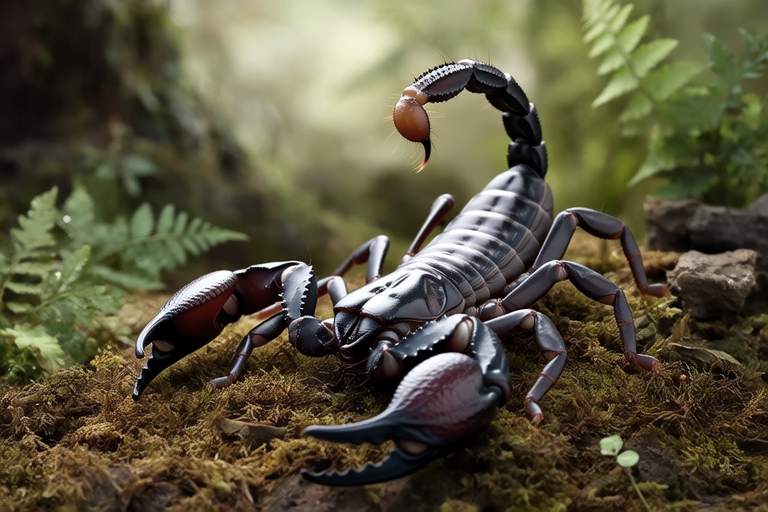
How to Thrive as a Heterometrus Spinifer Owner: Tips and Tricks
Welcome to the world of Heterometrus spinifer ownership! These fascinating creatures, commonly known as Asian forest scorpions, are not only visually striking but also offer unique companionship for those who appreciate their care and respect. This guide will provide you with all the information necessary to thrive as a Heterometrus spinifer owner, ensuring that your pet lives a healthy and happy life.
Basic Care Requirements
The first step in being a successful Heterometrus spinifer owner is understanding their basic care requirements. These scorpions are nocturnal arachnids, meaning they are most active at night. They require a temperature range between 75°F and 85°F (24°C to 29°C) and humidity levels around 70% to 80%. To maintain these conditions, it’s important to use a reliable thermostat and hygrometer. Additionally, Heterometrus spinifer prefer a substrate that retains moisture well, such as coconut fiber or peat moss mixed with vermiculite.
Habitat Setup
Setting up the right habitat is crucial for the wellbeing of your Heterometrus spinifer. Start by choosing an appropriately sized enclosure; a tank measuring at least 10 gallons (38 liters) for one adult is recommended. The enclosure should have secure ventilation to prevent escape and ensure proper air circulation. Provide hiding spots like cork bark or half logs for your scorpion to feel safe and secure. It’s also important to include a shallow water dish for drinking and misting the enclosure regularly to maintain the desired humidity level.
Feeding Guidelines
Feeding your Heterometrus spinifer correctly is key to their health and longevity. In the wild, they primarily feed on insects such as crickets, grasshoppers, and small spiders. In captivity, a diet consisting of crickets and dubia roaches works well. Feed your scorpion every 7 to 10 days, depending on its size and activity level. Always ensure that the prey items are gut-loaded with nutritious food before offering them to your scorpion. It’s also advisable to dust the feeder insects with calcium powder to support the scorpion’s exoskeleton health.
Health Monitoring
Regular health checks are essential to catch any issues early. Look out for signs of dehydration, such as dry exoskeleton or lethargy, and ensure your scorpion has access to fresh water. Monitor your scorpion’s behavior for changes that might indicate stress or illness. If you notice any unusual symptoms, consult a veterinarian specializing in exotic pets. Regular shedding is normal for scorpions; however, if your pet appears to be having difficulty, provide a humid hide and avoid handling until the process is complete.
Handling Tips
While Heterometrus spinifer can be handled, it’s important to approach this with caution and respect. Always wash your hands before and after handling to minimize the risk of transferring oils or chemicals to your scorpion. Use gloves when handling to protect yourself from potential stings. Never handle your scorpion when it is molting or shortly after eating, as it may become stressed or aggressive. Handling should be kept to a minimum, allowing your pet to remain calm and comfortable in its environment.
Common Challenges Faced by Owners
As with any pet, owning a Heterometrus spinifer comes with its own set of challenges. One common issue is ensuring the correct balance of heat and humidity. Too much or too little of either can lead to health problems. Another challenge is providing adequate hiding spaces; without them, your scorpion may become stressed. Additionally, some owners struggle with the responsibility of feeding live insects, which can be daunting for beginners. It’s important to research thoroughly and prepare yourself for these aspects of ownership before bringing home a Heterometrus spinifer.
Safety and Respect for the Species
Throughout this journey, it’s vital to prioritize the safety and well-being of both your scorpion and yourself. Always handle your pet with care and respect, understanding that while Heterometrus spinifer are generally docile, they can become defensive if threatened. Keep children and other pets away from the enclosure to prevent accidents. By following these guidelines and showing respect for your scorpion, you’ll create a harmonious environment where both you and your pet can thrive.
In conclusion, becoming a Heterometrus spinifer owner is an enriching experience filled with opportunities to learn about these amazing creatures. By adhering to the care guidelines provided in this article, you’ll be well-equipped to meet the needs of your pet and enjoy a rewarding relationship. Remember, each scorpion is unique, so observe your pet closely and adjust its care accordingly. Happy scorpion keeping!
