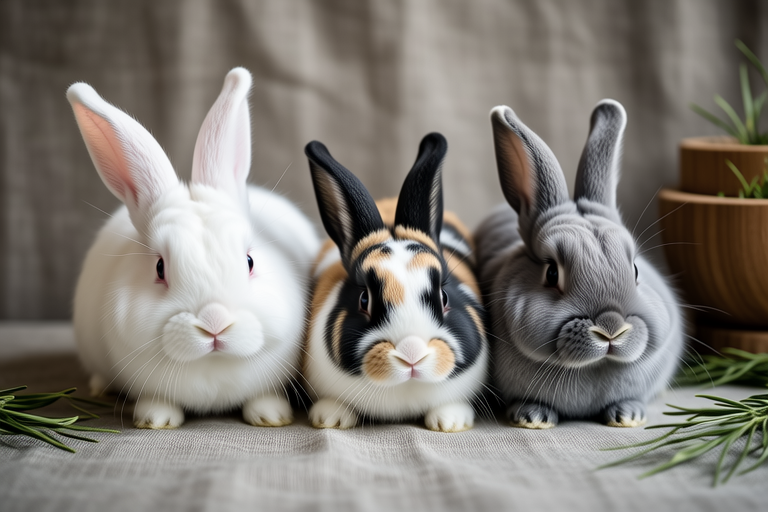
Adorable Lop Bunnies: A Complete Guide for New Owners
Welcome to the wonderful world of lop bunnies! These charming, floppy-eared creatures are not just pets; they’re companions who can bring joy and comfort into your home. This guide will cover everything you need to know about taking care of your new lop bunny, from basic care to understanding their unique behaviors.
Basic Care
Caring for a lop bunny involves more than just feeding them. They require regular attention and care to thrive. Start by creating a comfortable living space with soft bedding and a hideaway for them to retreat to when they feel scared or overwhelmed. Regular cleaning of their living area is crucial to prevent the buildup of bacteria and odors. Make sure their living space has adequate ventilation and is free from drafts.
Handling your lop bunny gently is important. Always support their hindquarters when picking them up to avoid any injuries. It’s also essential to handle them regularly so that they become accustomed to being touched and handled, making routine care like nail trimming and vet visits easier.
Diet Requirements
A healthy diet is vital for your lop bunny’s overall well-being. Their primary food source should be hay, which aids digestion and keeps their teeth healthy. Fresh water should always be available, and it’s a good idea to change it daily. Pellets can supplement their diet but should be provided in moderation, as too much can lead to obesity.
Leafy greens such as romaine lettuce, parsley, and cilantro can be offered in small quantities. Be cautious with certain vegetables and fruits like iceberg lettuce, potatoes, and rhubarb, as they can cause digestive issues. Introduce new foods gradually to monitor for any adverse reactions.
Housing Needs
Lop bunnies require a spacious and secure living environment. An indoor cage with ample room for movement is ideal. The cage should have solid flooring to prevent injury from wire-bottomed cages. Adding tunnels, chew toys, and other enrichments can help stimulate their minds and bodies.
If you allow your lop bunny to roam freely in your home, ensure all electrical wires and toxic plants are out of reach. Supervise them closely during these times to prevent accidents. Providing a safe outdoor space can also be beneficial, but it must be secure from predators and extreme weather conditions.
Exercise Recommendations
Regular exercise is crucial for maintaining your lop bunny’s physical and mental health. Daily playtime outside their cage allows them to stretch their legs and explore their surroundings. Supervised time in a bunny-proofed room or designated area can provide ample opportunity for exercise. Toys that encourage jumping, running, and chewing can further stimulate their activity levels.
Interactive play sessions with you can strengthen the bond between you and your pet. Use treats or toys to engage them in activities that mimic natural behaviors, such as digging or foraging.
Grooming Tips
Grooming your lop bunny is essential for their hygiene and comfort. Brush their coat regularly, especially if they have long fur, to prevent matting and hairballs. Check their ears for signs of infection or wax buildup, and clean them gently if necessary. Trim their nails every few weeks to prevent overgrowth and discomfort. Keep an eye on their teeth, ensuring they are not overgrown, which can happen if they don’t have enough hay to chew on.
Bathing your lop bunny is generally unnecessary unless they get particularly dirty, as frequent bathing can strip their skin of natural oils. If you do need to bathe them, use a gentle shampoo specifically formulated for rabbits and rinse thoroughly to remove all soap residue.
Health Concerns
Regular veterinary check-ups are vital for maintaining your lop bunny’s health. Common health issues include dental problems, gastrointestinal stasis, and respiratory infections. Signs of illness may include changes in eating habits, lethargy, diarrhea, or difficulty breathing. Early detection and treatment are key to preventing serious health complications.
Vaccinations and parasite control are also important aspects of preventive care. Discuss with your veterinarian the appropriate vaccinations and deworming schedule for your lop bunny based on their age, lifestyle, and location.
Common Behaviors
Lop bunnies exhibit various behaviors that can be endearing or puzzling to new owners. Understanding these behaviors can help you better connect with your pet. For example, thumping their hind legs is often a sign of distress or alertness, while circling you might indicate that they want attention or are marking their territory.
Some lop bunnies may display aggressive behavior, especially towards other animals or unfamiliar people. Socializing them early and consistently can help reduce this tendency. Providing plenty of toys and opportunities for interaction can also redirect their energy positively.
Conclusion
Owning a lop bunny is a rewarding experience filled with love and companionship. By providing proper care, nutrition, and attention, you can ensure that your furry friend leads a happy and healthy life. Remember that each lop bunny is unique, so take the time to learn about their individual preferences and needs. With patience and dedication, you’ll build a strong bond with your new companion that will last a lifetime.
