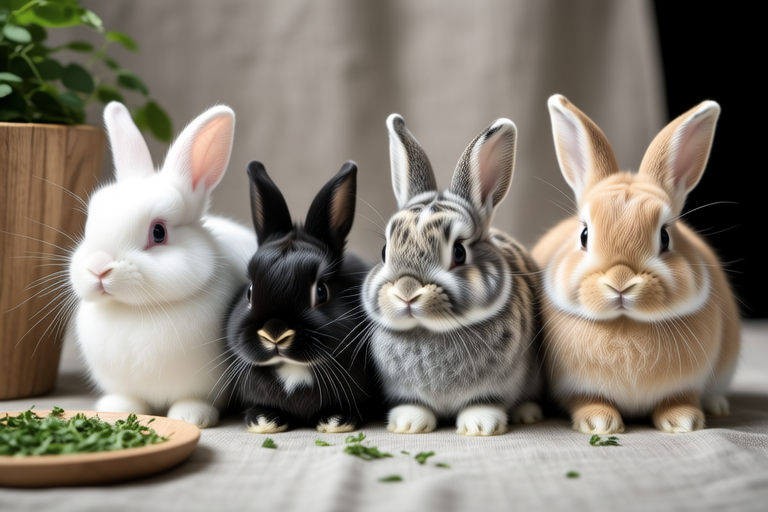
Top 5 Reasons Why Dutch Dwarf Rabbits Will Steal Your Heart
Welcome to a delightful exploration of one of the most charming and endearing breeds of rabbits, the Dutch Dwarf. These small, compact creatures have captured the hearts of many pet owners with their unique blend of charm, intelligence, and adaptability. Whether you’re a seasoned rabbit owner or considering adding a furry friend to your family for the first time, this article will provide you with all the reasons why Dutch Dwarfs are truly special.
1. Compact Size and Portability
Dutch Dwarf rabbits are among the smallest domesticated rabbit breeds, making them ideal for those living in apartments or smaller homes. Their petite stature, typically weighing between 1.8 and 2.7 kilograms (4 to 6 pounds), allows them to thrive in limited spaces without requiring extensive outdoor areas. Despite their diminutive size, these rabbits are robust and full of energy, often surprising their owners with their playful antics. Their portability also makes them perfect companions for individuals who enjoy taking their pets along for trips or visits to friends and family.
One of the most remarkable features of Dutch Dwarfs is their adaptability to different environments. They can be easily accommodated in indoor cages or hutches that are suitable for small pets. However, it’s important to ensure they have enough room to stretch out and move around comfortably. Providing a spacious cage or hutch with multiple levels or tunnels can help keep them entertained and mentally stimulated. Additionally, Dutch Dwarfs benefit from regular supervised playtime outside their enclosures, allowing them to explore and interact with their surroundings safely.
While their small size may seem like a drawback, it actually offers several advantages. For instance, Dutch Dwarfs require less food compared to larger breeds, which can result in lower feeding costs. Their compact nature also means they produce less waste, making litter box training easier and more manageable. This breed’s portability and adaptability make them an excellent choice for those looking for a low-maintenance pet that doesn’t compromise on companionship.
2. Friendly and Playful Temperament
One of the standout qualities of Dutch Dwarf rabbits is their friendly and affectionate demeanor. Unlike some other rabbit breeds that may be more reserved or skittish, Dutch Dwarfs tend to be outgoing and eager to interact with their human companions. They are known for their curious and playful nature, often displaying a range of entertaining behaviors that bring joy to their owners.
These rabbits form strong bonds with their caretakers and can be trained to respond to their names and come when called. Many Dutch Dwarfs enjoy being handled and can even learn to sit still while being petted or held. Their gentle and trusting nature makes them particularly suitable for families with children, as long as proper supervision is maintained. Teaching children how to handle rabbits gently and respectfully is crucial for ensuring a positive interaction between the two.
Dutch Dwarfs are also compatible with other household pets, such as cats and dogs, provided they are introduced gradually and under controlled conditions. Supervised play sessions can help establish a peaceful coexistence, allowing all pets to become comfortable with each other. It’s essential to monitor interactions closely, especially during the initial stages of introduction, to prevent any potential conflicts.
Another aspect of their friendly nature is their social behavior. Dutch Dwarfs are highly sociable animals that enjoy the company of both humans and other rabbits. They can be kept in pairs or small groups, which helps prevent loneliness and provides them with companionship. However, it’s important to introduce new rabbits carefully and gradually to avoid territorial disputes. Providing separate living spaces initially and then slowly integrating them can help foster a harmonious relationship between rabbits.
3. Low Maintenance Care Requirements
Caring for a Dutch Dwarf rabbit is relatively straightforward, making them an excellent choice for busy individuals or first-time pet owners. Their grooming needs are minimal, with regular brushing being sufficient to maintain their coat’s health and appearance. Dutch Dwarfs have short, dense fur that sheds seasonally, so owners should expect increased shedding during spring and fall. Daily brushing during these periods can help manage loose hair and reduce the risk of hairballs.
Feeding Dutch Dwarfs is another area where their care requirements are simple yet important. A balanced diet consisting of high-quality hay, fresh vegetables, and a limited amount of pellets is essential for maintaining their overall health. Timothy hay is particularly recommended due to its beneficial fiber content. Fresh water should always be available, and it’s advisable to replace it daily to ensure cleanliness. While treats are enjoyable for Dutch Dwarfs, they should be given sparingly to avoid weight gain or digestive issues.
Exercise is vital for the physical and mental well-being of Dutch Dwarfs. Providing them with ample opportunities to move around and explore is crucial for preventing obesity and promoting healthy muscle development. In addition to supervised playtime outside their enclosures, owners can enrich their environment by offering toys, tunnels, and climbing structures. These additions stimulate their natural instincts and keep them engaged and active.
Regular veterinary check-ups are also important for maintaining the health of Dutch Dwarfs. Annual visits allow veterinarians to monitor their overall condition, address any potential health issues early, and administer necessary vaccinations. Owners should be vigilant about signs of illness, such as changes in appetite, unusual behavior, or difficulty breathing, and seek professional advice promptly if any concerns arise.
The average lifespan of a Dutch Dwarf rabbit ranges from 7 to 10 years, depending on various factors such as genetics, diet, and environmental conditions. By providing proper care and attention, owners can help their furry companions live long, healthy lives filled with happiness and companionship.
4. Ideal Family Pets
Dutch Dwarf rabbits are exceptional family pets, bringing joy and companionship to households of all sizes. Their friendly and playful nature makes them particularly appealing to families with children, but it’s important to remember that rabbits are delicate animals that require careful handling. Teaching children how to interact with rabbits respectfully is crucial for ensuring a positive relationship between the two.
Rabbits have distinct personalities, and while some may be more outgoing than others, they generally enjoy the company of children when introduced properly. Children can help with feeding, grooming, and playing with their rabbit companions, fostering a sense of responsibility and empathy. However, it’s essential to supervise interactions closely to prevent accidents or injuries. Encouraging gentle handling and positive reinforcement can help build a strong bond between children and their rabbit pets.
Dutch Dwarfs are also compatible with other household pets, such as cats and dogs, provided they are introduced gradually and under controlled conditions. Supervised play sessions can help establish a peaceful coexistence, allowing all pets to become comfortable with each other. It’s important to monitor interactions closely, especially during the initial stages of introduction, to prevent any potential conflicts. Providing separate living spaces initially and then slowly integrating them can help foster a harmonious relationship between rabbits and other pets.
Additionally, Dutch Dwarfs are intelligent and responsive animals that can be trained to perform simple tricks or follow commands. Training sessions can be a fun way for families to bond with their pets and provide mental stimulation. Positive reinforcement techniques, such as treats and praise, are effective in encouraging desirable behaviors. With patience and consistency, Dutch Dwarfs can learn to respond to their names, come when called, and even participate in games.
Overall, Dutch Dwarfs are adaptable and affectionate pets that can bring immense happiness to families. Their compatibility with children and other pets, combined with their playful and trainable nature, makes them an excellent choice for families looking for a loving and loyal companion.
5. Unique Physical Characteristics
Dutch Dwarf rabbits possess a distinctive appearance that sets them apart from other breeds. Their compact bodies, short ears, and round heads contribute to their adorable and endearing looks. One of the most striking features of Dutch Dwarfs is their dual-color coat pattern, which includes a white blaze extending from the forehead to the nose, contrasting sharply with their colored cheeks, ears, and back. The contrast between the white and colored portions of their coat creates a striking visual effect that is both elegant and charming.
Dutch Dwarfs come in a variety of colors, including black, blue, chocolate, and lilac, with each color variation adding to their uniqueness. The combination of their small size, friendly temperament, and striking appearance makes them popular choices for show competitions. However, it’s important to note that showing Dutch Dwarfs is not a requirement for enjoying their companionship. Many owners appreciate their beauty and charm without participating in formal competitions.
In addition to their physical attributes, Dutch Dwarfs are known for their intelligence and adaptability. They are quick learners and can be trained to perform simple tricks or follow commands. Their curiosity and playful nature make them engaging companions, always ready to explore and interact with their surroundings. Dutch Dwarfs are also highly social animals that enjoy the company of both humans and other rabbits. Providing them with companionship and mental stimulation is essential for their well-being and happiness.
Despite their small size, Dutch Dwarfs are surprisingly strong and agile, capable of impressive jumps and leaps. Their muscular hind legs enable them to move quickly and gracefully, making them adept at navigating their environment. This agility is particularly evident during playtime, where they can be seen darting around and exploring every corner of their enclosure. Their ability to jump and leap also highlights their natural instincts and athleticism, adding to their appeal as captivating pets.
Owners of Dutch Dwarfs often marvel at their unique physical characteristics and behaviors, finding them endlessly fascinating and delightful. Whether through their striking coat patterns, playful antics, or intelligent responses, Dutch Dwarfs consistently win the hearts of their human companions.
Conclusion
Dutch Dwarf rabbits are truly remarkable pets that offer a unique blend of charm, intelligence, and adaptability. Their compact size, friendly temperament, and low maintenance care requirements make them ideal companions for individuals and families alike. Whether you’re looking for a loyal pet to share your home with or seeking a playful friend for your children, Dutch Dwarfs are sure to steal your heart. By providing proper care, attention, and love, you can ensure that your Dutch Dwarf rabbit leads a happy and healthy life, bringing joy and companionship to your household for many years to come.
