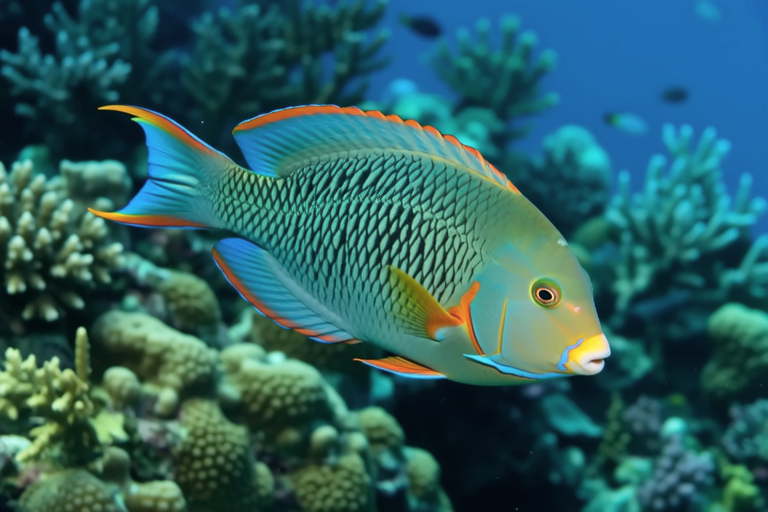
The Mysterious World of Parrot Fish
Parrot fish are some of the most colorful and intriguing creatures found in coral reefs around the world. These fish, belonging to the family Scaridae, exhibit a wide range of behaviors and characteristics that make them stand out among other marine species. From their unique sleeping patterns to their role in reef ecosystems, parrot fish offer a wealth of fascinating insights into the underwater world.
Underwater Habitats
Parrot fish are predominantly found in tropical and subtropical waters, thriving in the vibrant and diverse environments of coral reefs. They prefer areas with abundant coral growth and rich algae beds, which provide both food and shelter. These habitats are crucial for their survival, offering protection from predators and a reliable source of sustenance. The intricate structures of coral reefs also serve as nurseries for juvenile parrot fish, ensuring their safety during the vulnerable early stages of life.
Unique Behaviors
One of the most remarkable aspects of parrot fish is their ability to change color and sex throughout their lives. This phenomenon, known as sequential hermaphroditism, allows these fish to adapt to changing environmental conditions and optimize reproductive success. Most parrot fish begin life as females and later transform into males, a process that can be triggered by factors such as population density or the presence of dominant males.
During the night, parrot fish enter a state of torpor, a form of deep sleep that helps conserve energy. To protect themselves from potential threats, they create a mucous cocoon that acts as a barrier against predators and parasites. This natural defense mechanism is created by secreting mucus from glands near their gills, forming a protective layer around their bodies. The cocoon not only camouflages the fish but also masks their scent, making it difficult for predators to detect them.
Diet and Communication
Parrot fish have specialized teeth that resemble a parrot’s beak, hence their name. These teeth are arranged in rows and are used to scrape algae off coral surfaces. Their diet primarily consists of algae and small invertebrates, which they consume by biting chunks of coral and grinding them up in their pharyngeal mill, a specialized organ located in their throats. This feeding behavior plays a crucial role in maintaining the health of coral reefs, as it helps control the growth of algae and promotes the regeneration of coral tissue.
While not as vocal as some other marine species, parrot fish do communicate through various methods. They use body language, such as rapid movements and changes in coloration, to signal aggression, submission, or courtship. Additionally, they produce sounds by grinding their pharyngeal teeth, which can be heard as a rasping noise. These sounds may serve as a means of communication within the group or as a way to deter potential predators.
Defensive Mechanisms
In addition to their nocturnal mucous cocoon, parrot fish employ several defensive strategies to protect themselves from predators. Their vibrant colors and patterns act as a form of camouflage, blending in with the colorful surroundings of coral reefs. When threatened, parrot fish may also release ink-like substances that obscure their vision and confuse predators. Some species even have the ability to change color rapidly, providing an additional layer of protection.
Role in Reef Ecosystems
Parrot fish play a vital role in maintaining the balance of coral reef ecosystems. By grazing on algae, they prevent overgrowth and promote the health of corals. This activity also contributes to the production of sand, as the crushed coral and algae pass through their digestive systems and are excreted as fine particles. Over time, this process helps build and maintain the structure of beaches and coastal areas.
Myths Surrounding Parrot Fish
Despite their popularity among divers and aquarium enthusiasts, there are several misconceptions about parrot fish. One common myth is that they are harmful to coral reefs due to their feeding habits. In reality, parrot fish contribute positively to reef health by controlling algae growth and promoting coral regeneration. Another misconception is that all parrot fish are brightly colored. While many species display vibrant hues, some species, particularly those living in deeper waters, have more subdued colorations to blend in with their environment.
Fascinating Facts
Parrot fish have the unique ability to alter their coloration based on their mood, age, and social status. Juvenile parrot fish often have different color patterns than adults, and dominant males may display brighter and more elaborate markings to assert their authority. This color-changing ability is made possible by the presence of specialized cells called chromatophores, which can expand or contract to reveal different pigments.
The largest parrot fish species, the bumphead parrot fish (Bolbometopon muricatum), can grow up to 1.3 meters in length and weigh over 45 kilograms. Despite their size, these fish are gentle giants, feeding primarily on algae and posing no threat to humans. However, their large size makes them vulnerable to overfishing, and many populations are now endangered due to unsustainable fishing practices.
Parrot fish have a complex social structure, with groups of fish often forming schools. Within these schools, there is a hierarchy based on size and dominance. Larger males tend to dominate smaller males and females, and they may engage in aggressive displays to establish their position. These displays can involve chasing, biting, and rapid changes in coloration, creating a dynamic and ever-changing social landscape.
Conclusion
Parrot fish are truly remarkable creatures that play a vital role in the health and diversity of coral reef ecosystems. Their unique behaviors, from changing color and sex to creating protective mucous cocoons, showcase the incredible adaptations that have allowed them to thrive in challenging marine environments. By understanding the fascinating world of parrot fish, we can gain valuable insights into the delicate balance of life in our oceans and the importance of protecting these vital ecosystems.
