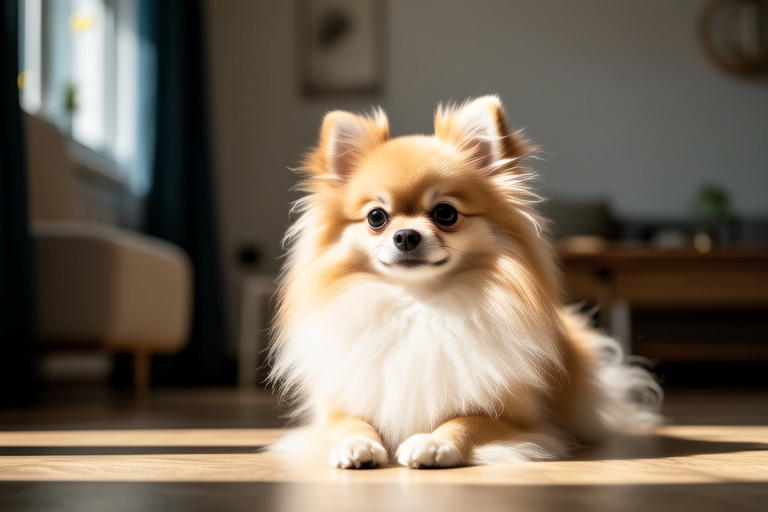
How to Train Your Tiny Tiger: Effective Techniques for Raising a Well-Behaved Pomeranian
Introduction
Pomeranians, often referred to as “tiny tigers” due to their bold personalities, are a delightful mix of charm and challenge. These small but mighty dogs are known for their fluffy coats and expressive eyes, making them popular companions. Despite their diminutive size, Pomeranians can be quite independent and stubborn, which makes training both rewarding and challenging. Their intelligence and eagerness to please can be harnessed with the right techniques, ensuring they become well-behaved pets. This article will guide you through effective training methods, essential commands, and strategies for addressing common behavioral issues, all while strengthening your bond with your Pomeranian.
Essential Basic Commands Every Pomeranian Should Learn
Teaching your Pomeranian basic commands is crucial for their safety and your peace of mind. Here are some fundamental commands and step-by-step instructions on how to teach them:
Sit
The “sit” command is one of the first commands your Pomeranian should learn. Start by holding a treat close to their nose, then slowly move it upwards towards their head. As they follow the treat with their eyes and head, their bottom should naturally lower into a sitting position. Once they sit, say “sit” and reward them with the treat and praise. Repeat this process several times a day until they consistently respond to the command without needing the treat as a lure.
Stay
The “stay” command builds on the “sit” command. Begin with your Pomeranian in a sitting position. Extend your hand out, palm facing them, and say “stay.” Take a few steps back, then return to them immediately, offering praise and a treat if they remain in place. Gradually increase the distance and duration of your absence. Consistency is key, so practice this command daily to reinforce it.
Down
To teach your Pomeranian to lie down, hold a treat in front of their nose and slowly lower it towards the ground. As they follow the treat, their body will naturally lower into a lying position. Say “down” as they reach the ground, then reward them with the treat and praise. Practice this command in short, frequent sessions to ensure they understand.
Leave It
The “leave it” command helps prevent your Pomeranian from picking up or chewing on inappropriate items. Place a treat in your closed fist and let your Pomeranian smell it. When they try to take it, say “leave it” and wait for them to stop trying. Once they do, open your hand and give them a different treat as a reward. Repeat this exercise several times, gradually increasing the difficulty by placing the treat on the floor instead of in your hand.
Positive Reinforcement Techniques Tailored for Pomeranians
Positive reinforcement is the most effective method for training Pomeranians. They respond well to rewards such as treats, praise, and play. However, consistency and patience are crucial when applying these techniques. Use treats sparingly during training sessions to maintain their value, and always follow successful commands with verbal praise and affection. Additionally, incorporate playtime as a reward for good behavior, which can help strengthen the bond between you and your Pomeranian.
Consistency and Patience
Training requires consistent effort over time. Set aside dedicated training sessions each day, keeping them short and fun. Be patient with your Pomeranian; learning takes time, and setbacks are part of the process. Avoid punishment-based training methods, as they can lead to fear and anxiety in your dog. Instead, focus on building a positive relationship based on trust and mutual respect.
Common Behavioral Issues and Solutions
Like any breed, Pomeranians can face various behavioral challenges. Here are some common issues and practical solutions:
Barking Excessively
Pomeranians are known for their vocal nature, but excessive barking can become problematic. To address this, identify the triggers for their barking and work on desensitizing them to those stimuli. For example, if they bark at strangers, gradually introduce them to people in a controlled environment, rewarding calm behavior. Teach the “quiet” command by saying “quiet” and waiting for a pause in their barking before rewarding them with a treat and praise.
Aggression Toward Other Dogs
Pomeranians can sometimes display aggression toward other dogs, especially if they feel threatened. Socialize your Pomeranian from a young age with other dogs in a controlled environment. If aggression occurs, calmly remove your Pomeranian from the situation and reward calm behavior once they have settled. Consult a professional trainer if the problem persists.
Separation Anxiety
Many Pomeranians experience separation anxiety, leading to destructive behaviors when left alone. To alleviate this, gradually increase the time your Pomeranian spends alone, starting with just a few minutes and building up to longer periods. Provide them with interactive toys to keep them occupied, and consider leaving a radio playing to provide comfort. Establish a routine that includes regular walks and playtime to help them relax when you’re away.
Maintaining a Strong Bond Through Training and Playtime
Regular training sessions and playtime are essential for maintaining a strong bond with your Pomeranian. Training not only teaches them valuable skills but also provides mental stimulation and strengthens your relationship. Incorporate games like fetch or hide-and-seek to make training sessions more enjoyable. Engage in activities that challenge their minds, such as puzzle toys or agility courses. By investing time in training and play, you’ll foster a loving and respectful partnership with your tiny tiger.
In conclusion, raising a well-behaved Pomeranian requires dedication, patience, and positive reinforcement. By teaching essential commands, addressing common behavioral issues, and maintaining a strong bond through regular training and playtime, you can ensure your Pomeranian becomes a delightful and obedient companion. Embrace the journey, and enjoy the rewarding experience of sharing your life with a loyal and spirited Pomeranian.
