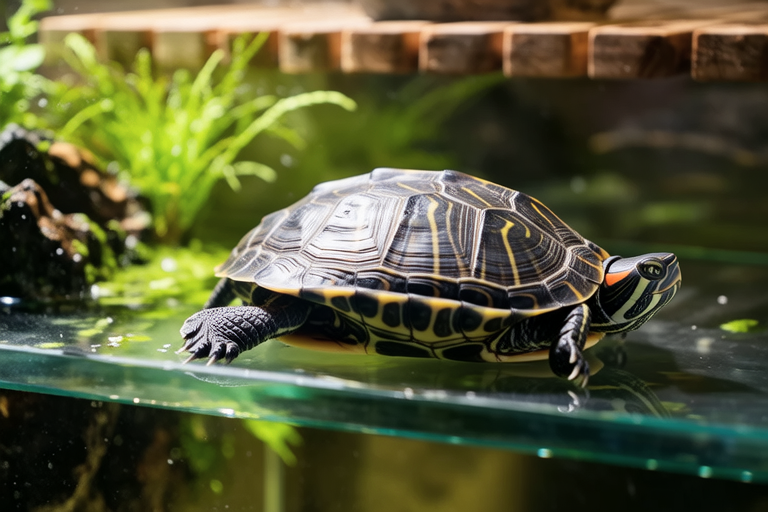
How to Create the Perfect Habitat for Your Tiny Shelled Friends
Welcome to the fascinating world of tiny shelled pets! Whether you have hermit crabs or snails, creating the perfect habitat for them is crucial for their health and happiness. This guide will walk you through setting up an optimal living environment that mimics their natural habitats, ensuring your pets thrive in their new home.
Selecting Appropriate Tank Size
The first step in creating the perfect habitat for your tiny shelled friends is choosing the right tank size. For hermit crabs, a 10-gallon aquarium is suitable for a small group of crabs, while larger groups may require a 20-gallon tank or more. Snails, on the other hand, can be housed in smaller tanks, but they still need ample space to move around comfortably. The tank should be large enough to allow your pets to explore and exercise, which is essential for their physical and mental well-being.
Substrate Options
Selecting the right substrate is vital for the health of your hermit crabs or snails. For hermit crabs, a mix of sand, coconut fiber, and crushed coral works well. These materials provide a soft surface for burrowing and offer the necessary calcium for shell health. Snails prefer a layer of damp moss or coconut fiber as it maintains the required humidity levels and provides a comfortable surface for movement. Avoid using gravel or sharp-edged substrates, as they can harm your pets.
Temperature and Humidity Control
Maintaining the correct temperature and humidity levels is critical for the well-being of your tiny shelled friends. Hermit crabs thrive in temperatures between 75°F and 85°F (24°C to 29°C) with humidity levels ranging from 70% to 80%. Snails prefer slightly higher humidity levels, around 80% to 90%, to keep their shells moist. Use a hygrometer to monitor humidity and a thermometer to check the temperature. To achieve the desired conditions, consider using a reptile heat mat or a ceramic heater placed under one side of the tank to create a gradient. A humidifier or misting system can also help maintain the required humidity levels.
Necessary Accessories
Your tank should include various accessories to ensure your pets have everything they need. For hermit crabs, provide plenty of shells of different sizes for molting and shelter. Include branches, driftwood, and rocks for climbing and hiding. Snails require smooth stones or small caves for resting and hiding. Additionally, both hermit crabs and snails benefit from having a water dish filled with dechlorinated water for drinking and soaking. Regularly clean the water dish to prevent bacterial growth.
Proper Lighting
Lighting plays a significant role in the health of your pets. While hermit crabs are nocturnal and do not require UVB light, they still benefit from a day-night cycle to regulate their internal clocks. A 12-hour light cycle is ideal. Use a low-wattage fluorescent bulb or LED lights to provide this. Snails, however, do not require UVB light either, but they do appreciate indirect sunlight or a full-spectrum light source to aid in their overall health. Ensure the light source does not overheat the tank, as excessive heat can cause stress to your pets.
Feeding Areas
Designate specific areas for feeding to keep your tank clean and organized. Hermit crabs enjoy eating a variety of foods, including fresh fruits, vegetables, and protein sources such as fish flakes or pellets. Place food in shallow dishes or on elevated platforms to prevent contamination. Snails can be fed a diet of fresh greens, fruits, and commercial snail food. Offer food in small amounts and remove any uneaten portions daily to maintain hygiene.
Hiding Spots
Providing adequate hiding spots is essential for the comfort and security of your pets. Hermit crabs appreciate deep burrows and crevices to retreat into when they feel threatened or need privacy. Snails also benefit from having places to hide and rest. Incorporate items like cork bark, hollow logs, and ceramic shelters into the tank. Ensure these hiding spots are stable and cannot collapse, potentially injuring your pets.
Regular Maintenance Tips
To keep your pets healthy and happy, regular maintenance is necessary. Clean the tank weekly by removing waste, uneaten food, and soiled substrate. Replace any contaminated water in the water dish and sanitize all accessories. Every few months, perform a deep clean of the entire tank, including rinsing the substrate and replacing it if necessary. Regularly check the temperature and humidity levels to ensure they remain within the recommended range. By maintaining a clean and healthy environment, you can prevent illnesses and ensure your pets live long, happy lives.
In conclusion, creating the perfect habitat for your tiny shelled friends requires careful consideration of their needs and preferences. By following the guidelines provided in this article, you can set up an optimal living environment that mimics their natural habitats, promoting their health and well-being. Remember to regularly monitor and maintain the tank to ensure your pets thrive in their new home.
