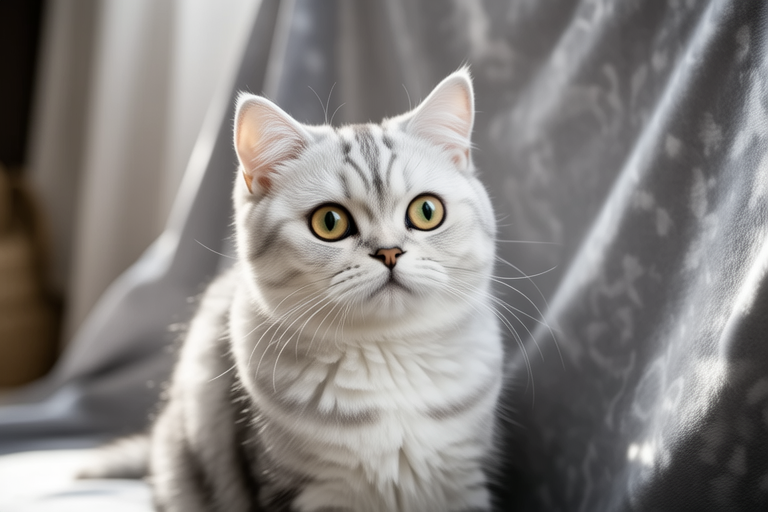
Silver Splendor: Caring for Your British Shorthair Silver Like a Pro
The British Shorthair silver is a breed that exudes elegance and grace. With its plush, silvery coat and round, expressive eyes, it’s no wonder this breed has captured the hearts of many cat lovers. Originating from Britain, the British Shorthair has been a popular choice among cat fanciers for centuries. This article will guide you through the nuances of caring for your British Shorthair silver, helping you ensure your feline companion leads a long, healthy, and happy life.
Introduction to the British Shorthair Silver
The British Shorthair silver is a descendant of the domestic shorthair cats that were brought to Britain by the Romans. Over time, selective breeding led to the development of this distinct breed, known for its robust physique and calm demeanor. The silver variant is particularly prized for its soft, shimmering coat, which can range from light gray to almost white, often with a hint of blue undertones. Their large, round eyes are typically copper or gold, adding to their regal appearance.
Grooming Needs
Caring for the luxurious coat of a British Shorthair silver requires regular grooming. While they are generally low-maintenance when it comes to shedding, their thick fur can easily become matted if not properly cared for. A weekly brushing session is recommended to prevent tangles and remove loose hair. Using a slicker brush or a fine-toothed comb can help maintain the coat’s smooth texture. Additionally, it’s essential to keep their nails trimmed and their ears clean to avoid infections.
During shedding season, you may need to increase the frequency of brushing to twice a week. Bathing should be done sparingly, as over-bathing can strip the natural oils from their skin. If you do bathe your cat, use a mild, cat-specific shampoo and ensure you thoroughly rinse out all soap residue.
Dietary Requirements
A balanced diet is crucial for maintaining the health and vitality of your British Shorthair silver. High-quality cat food that meets the nutritional standards set by organizations like AAFCO (Association of American Feed Control Officials) is ideal. Look for food that contains high levels of animal protein, as this helps support muscle mass and overall energy levels. Avoid foods that contain fillers or excessive amounts of carbohydrates, as these can contribute to weight gain and other health issues.
Feeding your cat based on its age, activity level, and size is important. Kittens require more frequent feedings with a higher calorie intake compared to adult cats. As your cat ages, you might need to adjust the portion sizes to prevent obesity. Always provide fresh water, and consider switching to wet food to increase moisture intake, especially if your cat doesn’t drink enough water on its own.
Exercise Routines
British Shorthair silvers are known for their laid-back nature, but they still require regular physical activity to stay healthy. Interactive play sessions using toys such as feather wands or laser pointers can stimulate their minds and bodies. Providing climbing structures or scratching posts allows them to engage in natural behaviors like climbing and stretching. Encouraging playtime also helps maintain their muscle tone and keeps them mentally sharp.
While they enjoy lounging around, incorporating daily play into their routine can prevent boredom and potential behavioral issues. It’s essential to establish a consistent play schedule, as this helps your cat anticipate and look forward to these activities.
Common Health Issues
Like any breed, British Shorthair silvers are prone to certain health conditions. Hypertrophic cardiomyopathy, a heart disease, is one of the most common concerns. Regular veterinary check-ups can help detect early signs of this condition. Polycystic kidney disease, another inherited disorder, can affect kidney function and may lead to renal failure if left untreated. Early detection through genetic testing and regular monitoring can improve outcomes.
Obesity is a significant issue for this breed due to their sedentary nature. Maintaining a healthy weight through proper diet and exercise is vital to preventing related health problems such as diabetes and arthritis. Regular vet visits allow for early intervention and management of any health concerns.
Socialization and Training
Socializing your British Shorthair silver from a young age is key to developing a well-adjusted and friendly companion. Expose them to various people, environments, and experiences to help them feel comfortable in different situations. Patience is crucial during this process; take things slowly and reward good behavior with treats and praise.
Training your cat using positive reinforcement techniques can teach them basic commands and improve their behavior. Clicker training, where a clicker is used to mark desired actions followed by a treat, is an effective method. Consistency is key; always reward the behavior you want to encourage. For example, rewarding your cat for using the litter box consistently can help establish good habits.
Creating a Stimulating Environment
To ensure your British Shorthair silver leads a fulfilling life, it’s important to create an enriching environment at home. Provide plenty of vertical space for climbing and perching, as cats enjoy elevated vantage points. Puzzle toys and food-dispensing gadgets can challenge their minds and provide mental stimulation. Rotate toys regularly to keep things interesting and prevent boredom.
Incorporating elements of nature, such as a bird feeder outside a window or a fish tank, can offer visual entertainment. Ensure there are multiple resting spots and hiding places to satisfy their desire for privacy. A dedicated scratching area with appropriate scratchers can protect your furniture while providing necessary claw maintenance.
Conclusion
Raising a British Shorthair silver is a rewarding experience filled with joy and companionship. By understanding their specific needs and providing thoughtful care, you can ensure your cat thrives. From grooming and nutrition to exercise and environmental enrichment, each aspect plays a vital role in their wellbeing. Embrace the journey of caring for this magnificent breed, and you’ll be rewarded with a loving and loyal companion for years to come.
