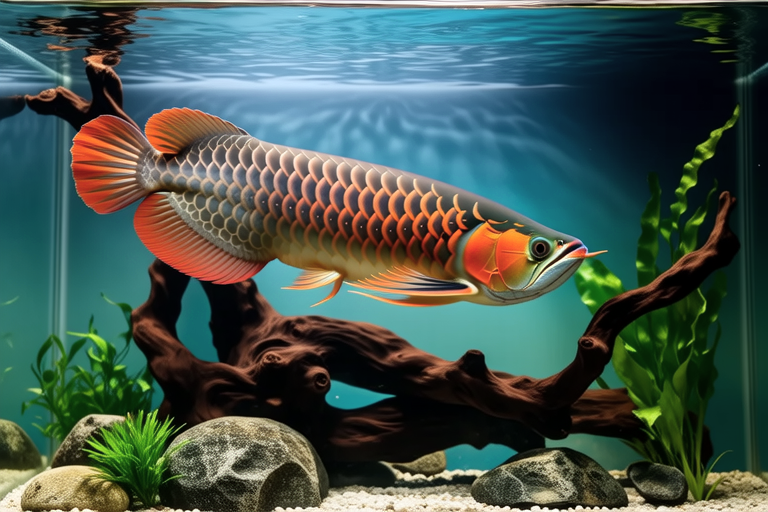
Tank Transformation: Setting Up the Perfect Home for Your Arowana
Welcome to the fascinating world of keeping arowanas! These majestic fish, native to Southeast Asia, are not only stunning to look at but also require specific care and attention to thrive. This comprehensive guide will walk you through setting up the perfect home for your arowana, covering everything from tank selection to daily maintenance.
Selecting the Appropriate Tank Size
Arowanas are large, active fish that need ample space to swim and grow. The general rule of thumb is to provide at least 10 gallons of water per inch of fish. However, this can be misleading since arowanas grow rapidly and reach impressive sizes. For optimal comfort, a juvenile arowana requires a minimum tank size of 200 gallons, while adults need a tank of at least 300 gallons or more. Larger tanks offer more swimming room and help maintain stable water conditions.
Filtration Systems
Efficient filtration is crucial for maintaining water quality. Since arowanas produce significant amounts of waste, a robust filtration system is essential. Choose a high-quality filter that can handle the volume of your tank. Consider a combination of mechanical, biological, and chemical filtration. Mechanical filters remove debris, biological filters support beneficial bacteria that break down harmful compounds, and chemical filters absorb toxins. Regular cleaning of the filter media ensures its effectiveness.
Water Parameters: Temperature and pH
Arowanas prefer warm, slightly acidic water. Maintain a temperature range between 78°F and 84°F (25°C to 29°C) and a pH level between 6.0 and 7.0. Use a reliable thermometer and pH meter to monitor these parameters regularly. Fluctuations can stress the fish and lead to health issues. Equip your tank with a heater and a chiller if necessary to maintain consistent temperatures.
Lighting
Proper lighting enhances the beauty of your arowana’s colors and aids in the growth of live plants. Arowanas are crepuscular, meaning they are most active during dawn and dusk. Install full-spectrum LED lights that mimic natural daylight cycles. Aim for about 8-10 hours of light per day. Avoid overly bright lighting, as it can cause stress and hinder feeding behavior.
Substrate
The choice of substrate depends on your preference and the presence of live plants. Gravel or sand are popular choices, but avoid sharp-edged substrates that could injure the fish. A smooth, fine gravel or sand substrate is ideal. If you plan to keep live plants, consider nutrient-rich substrates that promote healthy plant growth.
Decorations and Hiding Spots
Providing hiding spots and decor enriches the tank environment, making it more stimulating and comfortable for your arowana. Decorate with driftwood, caves, and large rocks. Ensure that decorations are securely anchored to prevent accidents. Live plants can also add aesthetic value and improve water quality. Java ferns, Amazon swords, and Anubias are suitable for arowana tanks.
Diet Specifics
Arowanas are carnivorous and require a balanced diet rich in protein. Their staple diet consists of live or frozen foods such as feeder fish, shrimp, and insects. Supplement their diet with high-quality pellets designed for large predatory fish. Feed them small meals several times a day, ensuring they consume all food within minutes to prevent waste. Overfeeding can lead to poor water quality and health problems.
The Importance of a Well-Planned Environment
Creating a well-planned environment is vital for the growth and behavior of arowanas. A properly set-up tank not only supports their physical health but also promotes mental well-being. Adequate space and enrichment activities stimulate their natural behaviors, reducing stress and enhancing their overall quality of life. A serene, well-maintained habitat encourages proper eating habits, vibrant colors, and active swimming.
Maintaining Water Quality
Regular water changes and diligent monitoring are key to maintaining water quality. Perform partial water changes weekly, replacing about 10-20% of the tank water. Test the water for ammonia, nitrite, and nitrate levels regularly. High levels of these substances indicate poor filtration or overstocking. Use water conditioners to neutralize harmful chemicals before adding new water. Consistent maintenance prevents toxic buildups and keeps the tank environment healthy.
Creating a Safe, Stimulating Habitat
To ensure a safe and stimulating habitat, consider the following tips:
- Install protective covers to prevent the fish from jumping out.
- Provide ample swimming space by minimizing clutter.
- Introduce gentle water flow to mimic natural currents.
- Rotate decorations occasionally to keep the environment fresh and interesting.
- Observe your arowana regularly to understand its preferences and needs.
Conclusion
Setting up the perfect home for your arowana involves careful planning and attention to detail. By choosing the right tank size, installing efficient filtration, maintaining optimal water parameters, providing appropriate lighting, substrate, decorations, and a nutritious diet, you can create a thriving environment for your fish. Remember, a well-maintained habitat not only benefits the health of your arowana but also enhances its beauty and enjoyment for you as an owner. Happy fishkeeping!
