7 Common Myths About Bearded Dragons Debunked
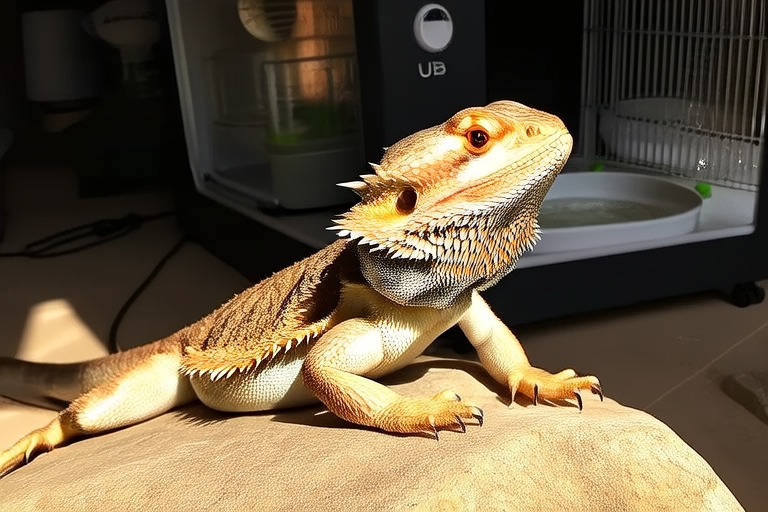
Welcome to the fascinating world of bearded dragons! These popular reptiles have captured the hearts of many pet lovers. However, there are several myths surrounding these creatures that can lead to misunderstandings and even poor care practices. In this article, we will debunk seven common myths about bearded dragons, providing you with accurate information, scientific facts, and expert opinions. Whether you’re a beginner or an experienced reptile enthusiast, this guide will help you better understand and care for your scaly friend.
Myth 1: Bearded Dragons Can Survive on Just Vegetables
One of the most common misconceptions about bearded dragons is that they can survive solely on a diet of vegetables. While vegetables are an important part of their diet, it’s essential to provide a balanced meal that includes insects as well. Bearded dragons are omnivores, meaning they need both plant-based foods and animal-based proteins.
According to Dr. Susan Donoghue, a veterinarian specializing in exotic pets, “Bearded dragons require a diet rich in calcium, protein, and vitamins to maintain optimal health. A diet lacking in protein can lead to deficiencies and health issues.” It’s recommended to feed younger bearded dragons more insects than vegetables, gradually increasing the proportion of vegetables as they age.
For a balanced diet, offer a mix of leafy greens like collard greens, mustard greens, and dandelion greens, alongside insects such as crickets, dubia roaches, and superworms. Dusting the insects with a calcium supplement ensures your dragon gets the necessary nutrients.
Myth 2: Bearded Dragons Hibernate Indoors
Another myth is that bearded dragons hibernate indoors. While it’s true that bearded dragons in the wild may enter a state of brumation during colder months, indoor bearded dragons typically don’t need to hibernate. Brumation is a type of dormancy similar to hibernation but involves less sleep and more activity.
Dr. Richard Hill, a herpetologist, explains, “Indoor environments are usually controlled and maintained at a consistent temperature, which prevents the need for brumation. If you notice your bearded dragon becoming less active, it might be due to stress or other health issues rather than a natural response to seasonal changes.”
To ensure your bearded dragon remains active and healthy year-round, maintain a stable environment with appropriate lighting and temperatures. Use a heat lamp to keep one side of the enclosure warm (around 95-105°F) and the other cooler (around 75-85°F). Proper UVB lighting is also crucial for vitamin D synthesis.
Myth 3: Bearded Dragons Are Low-Maintenance Pets
Many people assume that bearded dragons are low-maintenance pets because they don’t require daily walks or baths like dogs or cats. While it’s true that bearded dragons don’t need as much hands-on care, they still require specific environmental conditions and regular attention to thrive.
Expert breeder Sarah Johnson advises, “Maintaining the right habitat is key to keeping your bearded dragon healthy. This includes proper heating, lighting, and substrate. Additionally, regular health checks, including fecal exams, are important to catch any potential issues early.” Neglecting these needs can lead to health problems, such as metabolic bone disease or respiratory infections.
To ensure your bearded dragon stays healthy, clean the enclosure regularly, provide fresh water daily, and offer a varied diet. Also, handle your dragon gently but frequently to socialize them and check for any signs of illness.
Myth 4: Bearded Dragons Can Eat Anything from the Garden
It’s tempting to think that since bearded dragons eat plants, they can munch on anything found in your garden. However, not all plants are safe for these reptiles. Some common garden plants, like rhubarb leaves, azaleas, and oleander, are toxic to bearded dragons and can cause serious health issues if ingested.
Veterinarian Dr. Emily Carter warns, “Be cautious about feeding your bearded dragon any plant matter unless you’re certain it’s safe. Always research the plants before offering them to your pet. Safe options include dandelion greens, endive, and escarole. Avoid feeding iceberg lettuce, as it lacks nutritional value and can cause digestive issues.”
To prevent accidental poisoning, grow a small, safe herb garden specifically for your bearded dragon. Regularly inspect the enclosure for any unwanted plant matter that might have been introduced accidentally.
Myth 5: Bearded Dragons Prefer Cold Temperatures
Contrary to popular belief, bearded dragons prefer warmer temperatures. They are native to arid regions of Australia where daytime temperatures often reach 95°F or higher. Keeping your bearded dragon too cool can lead to health problems, including slow digestion and decreased immune function.
Herpetology expert Dr. Mark Williams states, “Bearded dragons are ectothermic, meaning they rely on external sources of heat to regulate their body temperature. Providing a basking spot with temperatures between 95-105°F is essential for proper digestion and overall health.” This warmth also encourages natural behaviors, such as basking and hunting.
To achieve the right temperature range, use a high-quality heat lamp and a thermostat to monitor the enclosure. Place a thermometer on both the warm and cool sides of the enclosure to ensure accurate readings. Adjust the position of the heat lamp as needed to maintain the desired temperature gradient.
Myth 6: Bearded Dragons Don’t Need UVB Lighting
Some owners believe that bearded dragons don’t need UVB lighting because they receive sunlight outdoors. However, indoor environments lack the necessary UVB rays that bearded dragons need to synthesize vitamin D3, which is vital for calcium absorption and bone health.
Reptile specialist Lisa Brown explains, “UVB lighting is crucial for preventing metabolic bone disease, a condition characterized by soft, brittle bones. Without adequate UVB exposure, bearded dragons can develop deformities and weakened skeletal structures.” Providing a full-spectrum UVB light for 10-12 hours per day mimics natural sunlight and supports overall health.
Select a UVB bulb that matches the size of your enclosure and replace it every six months, even if it still appears functional. Position the light so that it reaches the basking area, ensuring your bearded dragon can benefit from the UVB rays when they’re most active.
Myth 7: Bearded Dragons Are Aggressive by Nature
Bearded dragons are often misunderstood as aggressive animals, but this couldn’t be further from the truth. While they may puff out their beards or darken their coloration when stressed or threatened, these behaviors are defensive rather than aggressive.
Animal behaviorist Dr. Karen Davis notes, “Bearded dragons are generally docile and curious creatures. With proper handling and socialization, they can become affectionate pets that enjoy interaction with their owners. Signs of aggression, such as biting or lunging, are rare and usually indicate fear or pain.”
To build trust with your bearded dragon, handle them gently and consistently. Start by allowing them to explore your hand before attempting to pick them up. Offer treats like small pieces of fruit or insects to create positive associations. Over time, your bearded dragon will likely become more comfortable and relaxed around you.
General Tips for Keeping Bearded Dragons Healthy and Happy
Now that we’ve debunked some common myths about bearded dragons, here are some general tips to ensure your scaly friend stays healthy and happy:
- Proper Housing: Provide a spacious enclosure with hiding spots, climbing branches, and a designated basking area.
- Regular Vet Checkups: Schedule routine visits with a reptile veterinarian to monitor your dragon’s health and address any concerns.
- Environmental Enrichment: Offer toys, tunnels, and shallow water dishes to stimulate your bearded dragon’s mind and encourage exploration.
- Safe Handling: Always support your dragon’s body when handling, and avoid sudden movements that could startle them.
- Consistent Care: Stick to a routine for feeding, cleaning, and environmental maintenance to minimize stress for your pet.
By understanding the true nature of bearded dragons and providing them with the care they need, you can enjoy a rewarding relationship with these unique reptiles. Remember, knowledge is power, and informed pet ownership leads to healthier, happier pets.
