Clownfish Care Guide: Tips from Expert Fish Keepers
Introduction
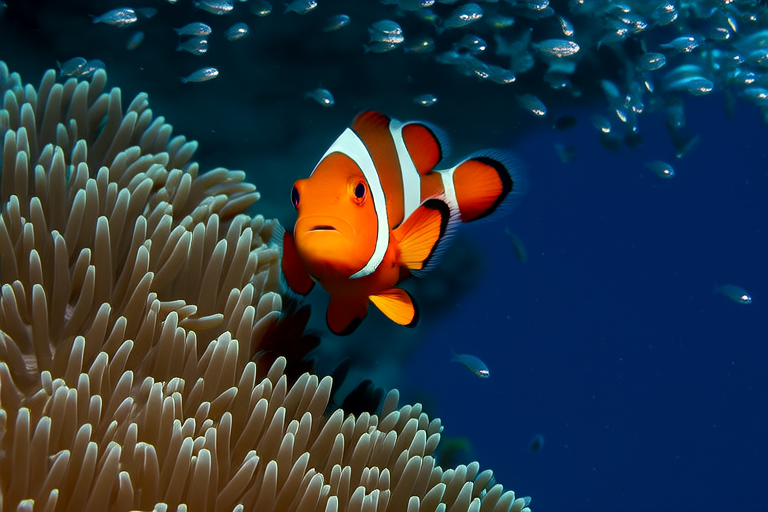
Clownfish, also known as anemonefish, are popular choices among aquarium enthusiasts due to their vibrant colors and engaging personalities. Originating from the tropical waters of the Indian and Pacific Oceans, these fish have become a favorite for both beginners and experienced aquarists. This guide offers expert advice on caring for clownfish, covering tank conditions, diet, compatible tank mates, common health issues, and breeding tips.
Suitable Tank Conditions
Creating the right environment is crucial for the well-being of your clownfish. Experts recommend starting with a minimum tank size of 30 gallons for a single pair or small group. Clownfish thrive in saltwater tanks that mimic their natural habitat. The water parameters should be closely monitored and maintained:
- Temperature: 76°F to 82°F (24°C to 28°C)
- pH: 8.1 to 8.4
- Specific Gravity: 1.020 to 1.025
- Aeration: Ensure good oxygenation through efficient filtration and surface agitation
Experts suggest adding live rock and corals to create hiding spots and enhance the biological filtration. Clownfish appreciate a stable environment; sudden changes in water parameters can stress them. Regular water changes of 10-20% every week help maintain water quality.
Diet
Clownfish are omnivorous, meaning they eat both plant and animal matter. Their diet in the wild consists of zooplankton, algae, and small crustaceans. In captivity, they adapt well to commercial flake foods, pellets, and frozen foods like brine shrimp, mysis shrimp, and bloodworms. It’s important to provide a varied diet to ensure all nutritional needs are met.
Expert fish keeper, Sarah Thompson, advises, “Offer a mix of foods to mimic their natural diet. Feed them twice daily, but avoid overfeeding to prevent waste buildup.” Clownfish should be fed in quantities that they can consume within a few minutes to maintain optimal health.
Compatible Tank Mates
Selecting the right tank mates is essential for the harmony of your aquarium. Clownfish are generally peaceful and can coexist with many other species. However, it’s important to consider their territorial nature. They often defend their territory against other clownfish, especially if space is limited.
Experts recommend keeping clownfish with non-aggressive species that won’t compete for food or territory. Some compatible tank mates include:
- Gobies
- Damsels
- Bubble-tip anemones
- Coral banded shrimp
It’s advisable to introduce new fish gradually and monitor their interactions to ensure compatibility. Experienced aquarist Mark Davis warns, “Always research potential tank mates thoroughly to avoid conflicts.”
Common Health Issues
Like any aquatic life, clownfish can face health challenges. Recognizing and addressing these issues early is key to maintaining their well-being. Common health problems include:
- Fungal infections: Characterized by white patches on the skin or fins. Caused by poor water quality or injury. Treat with antifungal medications and improve tank conditions.
- Ich: A parasitic disease causing tiny white spots on the body. It’s treatable with copper-based medications and improved water quality.
- Fin rot: Bacterial infection leading to fin erosion. Maintaining good water quality and treating with antibiotics can prevent and cure this issue.
Regular observation and prompt action are necessary to address health issues before they escalate. Aquarist Lisa Chen emphasizes, “Early detection and intervention can save your fish from more serious conditions.”
Breeding Tips
Breeding clownfish can be a rewarding experience for advanced hobbyists. They form monogamous pairs and can breed successfully in captivity. To encourage breeding, experts suggest:
- Provide ample hiding spaces and a consistent environment to reduce stress.
- Ensure the tank has suitable water parameters and a balanced diet.
- Introduce a mated pair early to allow them time to bond.
- Use a breeding net or spawning slate to collect eggs after spawning.
Once eggs are laid, they should be carefully monitored. Incubation takes about 6-10 days, depending on water temperature. Fry hatchlings require specialized care, including a diet of rotifers and baby brine shrimp. Expert breeder John Lee notes, “Patience and attention to detail are key when breeding clownfish.”
Conclusion
Caring for clownfish requires dedication and knowledge to create a thriving environment. By following expert advice on tank conditions, diet, compatible tank mates, health management, and breeding, you can ensure your clownfish lead healthy, happy lives. Always prioritize the well-being of your fish, and don’t hesitate to consult experienced aquarists or professionals for guidance.
