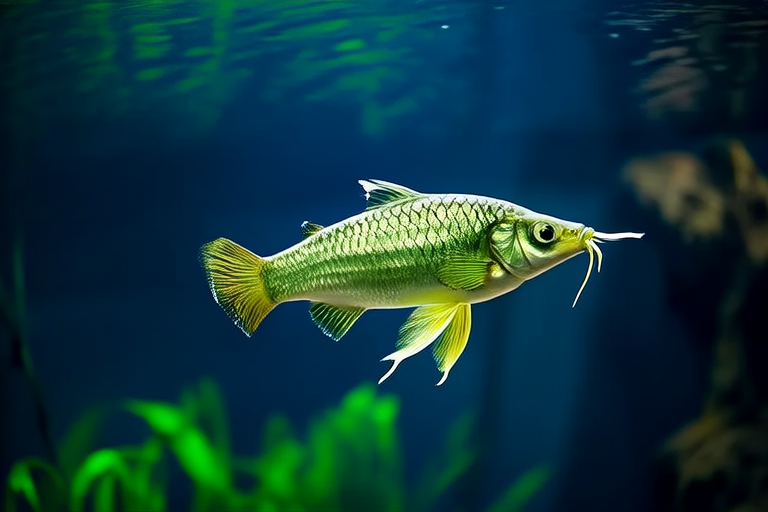
The Ultimate Guide to Owning an Arowana: Tips and Tricks
Welcome to the world of arowana ownership! Known for their stunning appearance and unique behaviors, these fish can be a rewarding addition to your aquarium. However, they require specific care and attention to thrive. This guide will walk you through the essentials of owning an arowana, from setting up the perfect environment to maintaining their health.
Choosing the Right Tank Size
Arowanas are large, active fish that need ample space to swim and grow. The tank size plays a critical role in ensuring their well-being. For a single adult arowana, a tank of at least 300 gallons is recommended. The tank should be long rather than deep, allowing the fish to swim horizontally. Larger tanks, up to 500 gallons, are preferable for multiple arowanas or if you plan to keep them as they grow.
It’s important to note that arowanas are jumpers, so ensure the tank has a secure lid with no gaps. They are also sensitive to sudden movements, so placing the tank in a quiet area away from high traffic is advisable.
Water Parameters Crucial for Arowana Health
Maintaining optimal water conditions is vital for arowana health. The water temperature should range between 78°F and 84°F (25°C – 29°C). The pH level should be slightly acidic to neutral, between 6.5 and 7.5. Regular water changes are necessary to maintain these parameters. Aim for 10-20% weekly, adjusting the amount based on the tank’s bio-load.
Ammonia and nitrite levels should always be zero, while nitrate levels should be kept below 20 ppm. To achieve this, install a robust filtration system capable of handling the tank volume efficiently. Regular testing with reliable test kits is essential to monitor these parameters.
Diet Specifics
Arowanas are carnivorous and require a balanced diet rich in protein. Their diet should consist primarily of live or frozen foods like feeder fish, shrimp, and worms. Feeding a variety of food items ensures they receive all necessary nutrients. Pellets designed for large carnivorous fish can also be included but should not form the sole diet.
Feeding frequency depends on the fish’s age and size. Juveniles may eat twice daily, while adults can be fed once every other day. Overfeeding can lead to obesity and health issues, so it’s important to gauge their appetite and adjust accordingly.
Proper Feeding Techniques
When feeding arowanas, it’s crucial to replicate their natural hunting behavior. Use feeding tongs or a specialized feeder to place food near the water’s surface. This mimics how they catch prey in the wild, encouraging natural feeding instincts. Avoid overfeeding by only providing what they can consume within a few minutes.
Ensure the food is of appropriate size for the fish. Smaller pieces are easier for juveniles to handle, while larger chunks suit adults. Gradually increase the size of the food as the fish grows.
Common Health Issues and Prevention Methods
Arowanas are generally hardy fish, but certain health issues can arise if their needs aren’t met. Common problems include fin rot, bacterial infections, and parasites. Maintaining pristine water quality, a healthy diet, and regular monitoring are key to preventing these issues.
If signs of illness appear, such as lethargy, loss of appetite, or visible sores, consult a veterinarian specializing in exotic fish. Early intervention is crucial for successful treatment. Quarantine any new additions to the tank for several weeks before introducing them to prevent the spread of diseases.
Suitable Tank Mates
Selecting appropriate tank mates is essential for a peaceful and thriving aquarium. Arowanas are territorial and may become aggressive towards smaller or slower-moving fish. Compatible species include robust, fast-swimming fish like silver dollars, pacus, and large tetras. Avoid keeping them with small, timid fish or those that share similar swimming levels.
When introducing new fish, do so gradually and monitor interactions closely. If aggression occurs, consider removing the problematic fish to ensure the safety of the entire community.
Essential Equipment for Arowana Owners
To provide the best care for your arowana, investing in the right equipment is crucial. Here’s a list of must-have items:
- Filtration System: Choose a powerful filter that can handle the tank’s volume effectively.
- Heater: Maintain consistent water temperature with a reliable heater.
- Test Kits: Regularly check water parameters with accurate test kits.
- Feeder: Use a specialized feeder to mimic natural feeding behavior.
- Covers: Ensure the tank has a secure lid with no gaps to prevent jumping.
Common Mistakes to Avoid
Owning an arowana comes with significant responsibilities. Some common mistakes to avoid include:
- Underestimating tank size: Providing insufficient space can lead to stress and poor health.
- Ignoring water quality: Neglecting regular water changes can result in harmful ammonia and nitrite levels.
- Overfeeding: Excessive feeding can cause obesity and digestive issues.
- Improper quarantine: Failing to quarantine new additions can introduce diseases to the tank.
Conclusion
Owning an arowana is a rewarding experience for dedicated aquarists. By understanding their unique care requirements and providing the necessary attention, you can ensure your arowana thrives in its aquatic home. Remember, arowanas are not just pets; they are living creatures deserving of respect and care. With this guide, you’re well-equipped to take on the challenges and enjoy the rewards of arowana ownership.
