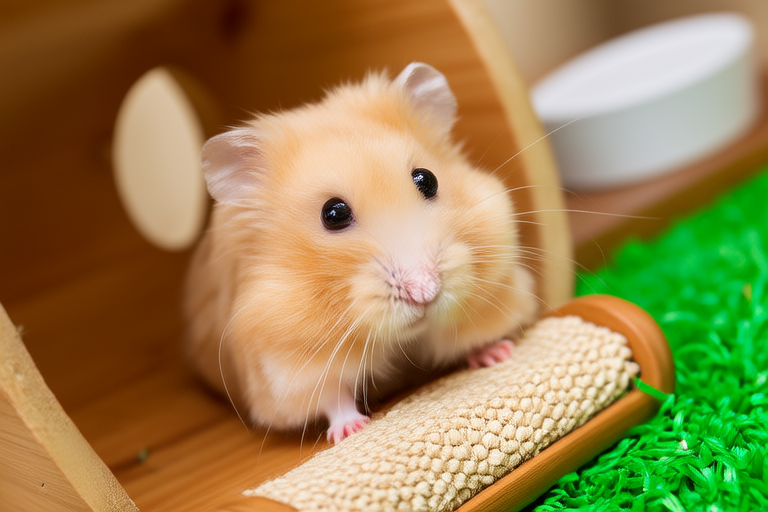
Understanding Hamster Behavior: What Every Owner Needs to Know
Introduction
Welcome to the world of hamsters! These small, fluffy creatures have become popular pets for their charming personalities and relatively low maintenance. However, understanding your hamster’s behavior is crucial for ensuring they live a happy, healthy life. This guide will cover everything from common behaviors to signs of stress or illness, helping you become a better owner.
Common Behaviors
Hamsters exhibit various behaviors that can be categorized into natural instincts and learned habits. One of the most noticeable behaviors is their nocturnal nature; they are more active at night, which explains why they might seem less active during the day. Another common behavior is hoarding food. In the wild, hamsters store food to survive lean times, and this instinct continues in captivity. You may find your hamster carrying bits of food back to its nest or hiding spots.
Exploring is another significant part of a hamster’s daily routine. They are curious creatures and enjoy discovering new things within their environment. Providing toys and tunnels can help satisfy this curiosity. Additionally, hamsters love to dig and burrow, mimicking their natural habitat. A deep layer of bedding material allows them to engage in these activities comfortably.
Signs of Stress or Illness
Recognizing signs of stress or illness in your hamster is vital for their well-being. Common indicators include changes in eating habits, such as reduced appetite or refusal to eat, lethargy, excessive grooming (or lack thereof), and changes in bathroom habits like diarrhea or constipation. If you notice any of these symptoms, it’s important to consult a veterinarian who specializes in small animals.
Another sign of distress could be unusual aggression or withdrawal. While hamsters are generally gentle, they might bite if they feel threatened or stressed. Similarly, some hamsters may become withdrawn, spending more time hiding than usual. Monitoring your pet’s behavior regularly can help catch issues early on.
Appropriate Social Interactions
Hamsters are solitary animals by nature and usually do not require companionship from other hamsters. Keeping multiple hamsters together can lead to fights over territory and resources, especially if they are not introduced properly from a young age. It’s best to keep one hamster per cage unless you have specific breeds known for being sociable, like Syrian hamsters.
If you want to interact with your hamster, handle them gently and consistently. Start by allowing them to get used to your scent before picking them up. Place your hand inside their cage and let them sniff it. Once they feel comfortable, you can try scooping them up with both hands. Remember, patience is key when bonding with your hamster.
Dietary Influences on Behavior
The diet you provide your hamster plays a significant role in shaping their behavior. A balanced diet rich in proteins, carbohydrates, fats, vitamins, and minerals ensures optimal health and energy levels. Commercially available hamster foods offer a good starting point but should be supplemented with fresh vegetables and fruits.
Too much sugar or fat in their diet can cause hyperactivity and obesity. On the other hand, insufficient nutrients can lead to lethargy and poor health. Always ensure fresh water is available and monitor the amount of treats given, as too many can upset their digestive system.
Tips for Creating a Stimulating Environment
To keep your hamster mentally stimulated and physically fit, create an enriching environment. Provide plenty of space for running and playing. Exercise wheels are essential for maintaining their physical health. Choose one that is solid rather than wire-bottomed to prevent injuries.
Incorporate various types of toys designed specifically for hamsters, such as chew sticks, tunnels, and puzzle feeders. These items encourage mental stimulation and mimic natural behaviors like digging and foraging. Regular cleaning of their living area also helps maintain hygiene and reduces stress.
Conclusion
Understanding your hamster’s behavior is key to providing them with a loving home. By recognizing common behaviors, identifying signs of stress or illness, fostering appropriate social interactions, considering dietary influences, and creating a stimulating environment, you can ensure your pet leads a fulfilling life. Remember, every hamster is unique, so observe yours closely to understand what makes them happiest.
