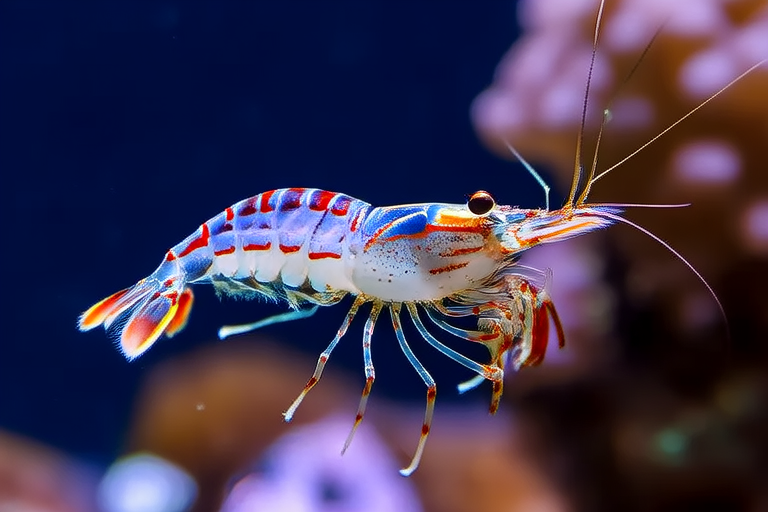
Coral Shrimp: A Beginner’s Guide to the Colorful Aquarium Companion
Welcome to the vibrant world of coral shrimp! These fascinating creatures are not only visually stunning but also make wonderful additions to any freshwater aquarium. With their bright colors and peaceful demeanor, coral shrimp (Caridina cf. babaulti) are perfect for both novice and experienced aquarists. This guide will provide you with everything you need to know about caring for these delightful crustaceans, from setting up their ideal environment to ensuring their dietary needs are met.
Introduction to Coral Shrimp
Coral shrimp, also known as cherry shrimp or red cherry shrimp, are small, colorful freshwater shrimp that originated from Taiwan. They typically grow to around 2-3 centimeters in length and come in various shades of red, orange, and white, depending on the strain. Their translucent bodies and vibrant hues make them stand out in any aquarium, adding a splash of color and life to your underwater landscape.
One of the most appealing aspects of coral shrimp is their peaceful nature. They are non-aggressive and can coexist harmoniously with other peaceful fish and invertebrates. Coral shrimp are primarily scavengers, feeding on algae, biofilm, and detritus, which helps keep your tank clean and healthy. Their gentle behavior makes them an excellent choice for community tanks.
Ideal Tank Setup
Water Parameters
Creating the right environment is crucial for the well-being of your coral shrimp. Maintaining optimal water conditions ensures they thrive and remain vibrant. The ideal water temperature for coral shrimp ranges between 68°F and 78°F (20°C to 26°C). Keep the pH level between 6.5 and 7.5, and aim for a hardness of 3 to 12 dGH. Regular water changes, typically 20% weekly, help maintain stable water quality and prevent the buildup of harmful substances.
Adequate filtration is essential to keep the water clean and oxygenated. However, be cautious with strong currents, as they can stress the shrimp. Opt for a filter that provides gentle circulation without creating turbulent flow.
Tank Mates Compatibility
When choosing tank mates for your coral shrimp, it’s important to select species that share similar temperaments and environmental requirements. Peaceful fish like neon tetras, guppies, and mollies are good companions. Avoid aggressive or fin-nipping fish that might harm the shrimp. Invertebrates such as snails and other shrimp species can also be compatible tank mates.
It’s worth noting that some fish may view shrimp as a food source, especially larger or predatory species. Therefore, careful consideration must be given when selecting tank mates to ensure the safety and comfort of your coral shrimp.
Suitable Aquarium Plants
Incorporating live plants into your aquarium not only enhances its aesthetic appeal but also provides valuable hiding spots and breeding areas for your shrimp. Java moss, java fern, and anubias are popular choices due to their hardiness and ability to thrive in various water conditions. Floating plants like duckweed and hornwort can also be beneficial, offering additional cover and helping to reduce light intensity.
Plants also contribute to the overall health of the tank by absorbing excess nutrients and producing oxygen through photosynthesis. Ensure that the plants you choose are compatible with the water parameters and lighting conditions of your aquarium.
Diet and Feeding Habits
Coral shrimp are omnivorous scavengers, meaning they feed on a variety of organic matter found in the aquarium. Their primary diet consists of algae, biofilm, and detritus, which they consume while exploring the substrate and surfaces within the tank. To supplement their natural diet, you can offer high-quality shrimp pellets, sinking wafers, and blanched vegetables such as spinach or zucchini.
It’s important to avoid overfeeding, as excessive uneaten food can lead to poor water quality and health issues for your shrimp. Feed your coral shrimp small amounts of food once or twice daily, ensuring that they finish it within a few minutes. Monitor their eating habits and adjust the quantity accordingly to maintain a balanced diet.
Some strains of coral shrimp have specific nutritional needs, particularly those bred for their vibrant colors. For instance, red cherry shrimp often require carotenoids, which are responsible for their bright red pigmentation. Including foods rich in beta-carotene, such as spirulina or krill, can enhance their coloration and overall health.
Maintaining Health and Happiness
To ensure the long-term health and happiness of your coral shrimp, regular maintenance and observation are key. Perform routine water tests to monitor ammonia, nitrite, and nitrate levels, ensuring they stay within safe limits. Clean the tank glass and decorations regularly to remove any algae buildup and maintain clarity.
Pay attention to the behavior and appearance of your shrimp. Healthy coral shrimp are active, vibrant, and exhibit normal feeding patterns. Any signs of lethargy, discoloration, or abnormal swimming could indicate underlying health issues. If you notice any concerning symptoms, consult with a veterinarian specializing in aquatic animals for proper diagnosis and treatment.
Common issues that may arise include bacterial infections, fungal growth, and molting difficulties. Bacterial infections can be treated with appropriate antibiotics under veterinary guidance, while fungal growth can be prevented by maintaining clean water and avoiding overcrowding. Molting is a natural process where the shrimp sheds its exoskeleton to grow. Providing ample hiding places and soft substrates can help facilitate this process smoothly.
The Joy and Beauty of Coral Shrimp
Adding coral shrimp to your aquarium brings not only visual appeal but also a sense of tranquility and wonder. Watching these tiny creatures scuttle about, cleaning algae, and interacting with their surroundings can be incredibly rewarding. Their peaceful nature and low-maintenance care requirements make them an excellent choice for beginners looking to expand their aquatic ecosystem.
Coral shrimp are adaptable and resilient, thriving in a wide range of environments. With proper care and attention, they can live for several years, providing endless enjoyment and beauty to your aquarium. Whether you’re an experienced aquarist or just starting out, coral shrimp are sure to captivate and delight you with their vibrant colors and gentle demeanor.
