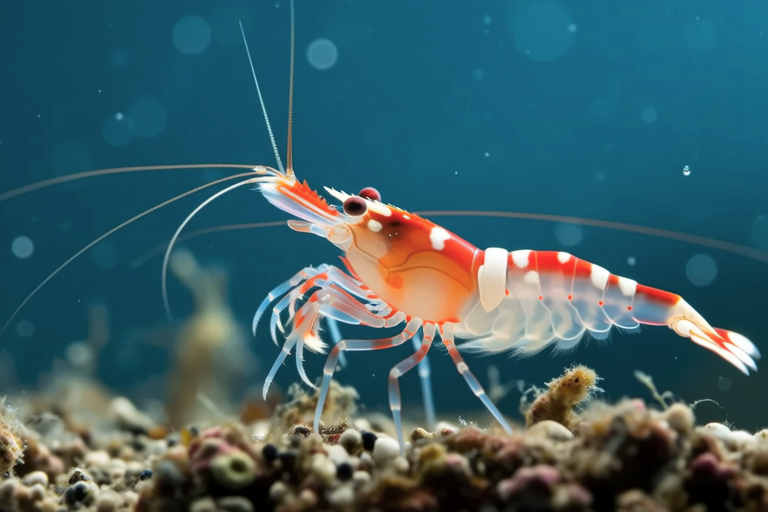
Top 10 Secrets About Keeping Coral Shrimp Happy and Healthy
Coral shrimp are fascinating creatures that add a vibrant splash of color to any saltwater aquarium. Their care, however, requires attention to detail to ensure they thrive in their new environment. Here are ten secrets to keeping your coral shrimp happy and healthy.
1. Water Quality Maintenance: The Foundation of Coral Shrimp Care
Water quality is paramount for the well-being of coral shrimp. Regular partial water changes, typically 10-20% every two weeks, help maintain stable conditions. Utilize a high-quality protein skimmer to remove organic waste and excess nutrients from the water column. Test kits should be used to monitor ammonia, nitrite, nitrate, pH, and salinity levels. Aim for a salinity of 1.023-1.025 specific gravity, a pH range of 8.1-8.4, and nitrate levels below 20 ppm. Employ reverse osmosis (RO) water for water changes to eliminate harmful contaminants. Additionally, a good filtration system with mechanical, chemical, and biological components ensures clean and oxygen-rich water.
2. Diet Requirements: Feeding Your Coral Shrimp Properly
Feeding coral shrimp can be both fun and rewarding. These crustaceans are omnivores, consuming algae, detritus, and small organisms. Provide a varied diet rich in marine-based foods, such as nori sheets, frozen brine shrimp, mysis shrimp, and spirulina flakes. Offer these foods in small quantities to prevent overfeeding, which can lead to water quality issues. Supplement their diet with algae wafers or pellets designed for herbivorous species. Ensure there is always some natural algae growth in the tank for them to graze on. Feed your shrimp once or twice daily, depending on their activity level and the size of the tank.
3. Tank Setup: Creating the Perfect Habitat
The tank setup plays a crucial role in the happiness and health of coral shrimp. A minimum tank size of 20 gallons is recommended for a group of five shrimp. Incorporate live rock, which provides hiding spots and promotes beneficial bacteria growth. Sand substrate or fine crushed coral is preferable as it mimics their natural habitat and allows them to burrow. Decorative elements like caves, driftwood, and PVC pipes offer additional shelter and enrichment opportunities. Keep the tank well-lit with a full-spectrum LED or T5HO light fixture, ensuring at least 8-10 hours of light per day. A good flow rate, achieved through powerheads or wavemakers, simulates natural currents and aids in maintaining water quality.
4. Compatible Tank Mates: Choosing the Right Roommates
Selecting compatible tank mates is essential for the safety and well-being of coral shrimp. They coexist peacefully with most peaceful fish species, such as cardinal tetras, clownfish, and damsels. However, avoid aggressive or large predatory fish, like lionfish or triggerfish, that may prey on shrimp. Similarly, snails, hermit crabs, and other invertebrates should be chosen carefully. Some snail species, like cone snails, can be dangerous to shrimp. Opt for smaller, non-aggressive invertebrates like nerite snails or emerald crabs. Always research potential tank mates thoroughly to ensure compatibility before introducing them to the aquarium.
5. Disease Prevention: Keeping Your Shrimp Healthy
Disease prevention is key to maintaining a healthy population of coral shrimp. Quarantine new additions to the tank for four to six weeks to observe for signs of illness. Regularly clean the tank and its equipment to prevent the buildup of harmful substances. Maintain optimal water parameters and perform routine water changes to reduce stress on the shrimp. Observe your shrimp regularly for any unusual behavior, discoloration, or physical deformities. Early detection of symptoms can lead to more effective treatment. In case of illness, consult a veterinarian specializing in aquatic animals for guidance on appropriate medications and treatments.
6. Breeding Habits: Encouraging Natural Reproduction
Breeding coral shrimp can be a rewarding experience for dedicated aquarists. To encourage reproduction, create a stable and enriched environment with ample hiding spots and a varied diet. Coral shrimp typically reach sexual maturity between three and six months of age. Males will display courting behaviors by waving their antennae and fanning their pleopods. After successful mating, females carry fertilized eggs under their abdomen for approximately three weeks. Once hatched, larvae require specialized care, including brackish water and live food sources like rotifers. Providing a suitable environment increases the chances of successful breeding and raising offspring.
7. Temperature Control: Maintaining Ideal Conditions
Maintaining the correct temperature is vital for the survival and health of coral shrimp. Aim for a temperature range of 72-78°F (22-25°C). Use a reliable heater to keep the water warm during cooler periods and a chiller if necessary during warmer months. Install a thermometer to monitor temperature fluctuations and adjust heating or cooling devices accordingly. Consistent temperatures reduce stress on the shrimp and contribute to their overall well-being. Avoid sudden temperature changes, as they can cause shock and illness.
8. Lighting Needs: Enhancing the Shrimp’s Environment
Proper lighting enhances the appearance of coral shrimp and supports their health. Full-spectrum LED or T5HO lights are ideal for providing the necessary spectrum of light for photosynthesis and algae growth. Ensure the lighting duration is between 8-10 hours per day, mimicking natural daylight cycles. Introduce photoperiods gradually, especially when first setting up the tank, to allow shrimp to acclimate to the light schedule. Consider adding moonlight fixtures or blue LEDs to simulate night-time conditions and promote natural behaviors. Adequate lighting also encourages the growth of algae, providing a natural food source for the shrimp.
9. Regular Health Checks: Monitoring Your Shrimp’s Well-being
Regular health checks are crucial for early detection of potential issues. Observe your shrimp daily for any signs of distress, such as lethargy, loss of appetite, or abnormal swimming patterns. Check for physical deformities, such as missing limbs or damaged exoskeletons. Monitor water parameters closely and address any deviations promptly. During routine water changes, inspect the shrimp for external parasites or signs of disease. Implement quarantine procedures for any new additions to the tank. By staying vigilant and proactive, you can catch problems early and provide timely interventions to maintain the health of your shrimp.
10. Behavioral Enrichment: Stimulating Your Shrimp
Providing behavioral enrichment enhances the quality of life for coral shrimp. Offer various hiding spots, such as caves, PVC pipes, and live rock structures, to encourage exploration and natural behaviors. Introduce enrichment items like sinking pellets or algae wafers to stimulate feeding activities. Create a dynamic environment by periodically rearranging decorations or adding new elements. This encourages the shrimp to explore and adapt, promoting mental and physical stimulation. Additionally, consider incorporating biotopes, such as mangrove roots or seagrass, to further enrich their habitat. By offering a diverse and stimulating environment, you can ensure your coral shrimp remain active and engaged.
By following these ten secrets, you can create an optimal environment for your coral shrimp, ensuring they live long, healthy, and vibrant lives. Remember, patience and dedication are key to becoming a successful shrimp keeper. With proper care and attention, your coral shrimp will become a cherished addition to your saltwater aquarium.
