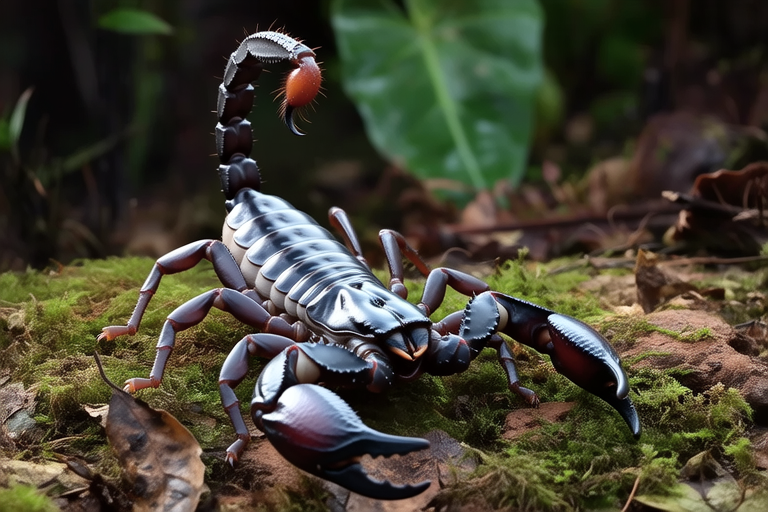
Top 10 Fascinating Facts About the Spectacular Heterometrus Spinifer
The Heterometrus spinifer, commonly known as the spiny forest scorpion, is a captivating arachnid native to Southeast Asia. This species, with its distinctive appearance and intriguing behaviors, has long fascinated biologists and nature enthusiasts alike. Below are ten fascinating facts that will deepen your appreciation for this extraordinary creature.
1. Unique Physical Characteristics
The Heterometrus spinifer is easily recognizable by its robust body, which can grow up to 13 centimeters in length. Its most striking feature is the prominent spines along its tail, which serve multiple purposes. These spines are not just for show; they help the scorpion grip onto surfaces, providing stability and aiding in climbing. The spines also act as a deterrent against predators, making it harder for them to grasp and consume the scorpion. Additionally, the pincers, or pedipalps, are strong enough to crush small prey, showcasing the scorpion’s impressive strength.
2. Habitat Adaptation
Native to the tropical forests of Southeast Asia, the Heterometrus spinifer thrives in humid environments. It typically resides under rocks, logs, and leaf litter, where it can remain hidden from potential threats. These hiding spots offer protection from both predators and harsh weather conditions. The scorpion’s preference for dark, moist areas aligns with its nocturnal lifestyle, allowing it to conserve energy during daylight hours and hunt efficiently at night.
3. Nocturnal Hunter
This species is primarily nocturnal, emerging from its daytime retreats when the sun sets. As a predator, it uses its keen senses to locate prey in the darkness. The scorpion’s eyesight is limited, but it compensates with other sensory capabilities. Specialized organs on its legs, known as pectines, detect vibrations in the ground, helping it pinpoint the location of potential food sources. Once it identifies a target, the scorpion relies on its venomous sting to immobilize its prey, which often includes insects, spiders, and even small vertebrates.
4. Venom Composition
The venom of the Heterometrus spinifer is a complex cocktail of neurotoxins designed to paralyze its prey. Unlike some other scorpion species, whose venom can be highly dangerous to humans, the venom of this species is relatively mild. However, it is potent enough to subdue its intended targets. Scientists study the components of this venom to understand its pharmacological properties and explore potential medical applications, such as pain management or anti-inflammatory treatments.
5. Reproduction and Mating Rituals
Mating among Heterometrus spinifer is a carefully orchestrated affair. Male and female scorpions engage in a dance-like ritual where the male leads the female on a promenade, ensuring that she is ready to mate. Afterward, the male deposits a spermatophore, a package of sperm, onto the ground. The female then positions herself over it to collect the sperm. Following fertilization, the female carries the developing embryos internally for several months before giving birth to live young. This viviparous reproduction strategy increases the chances of survival for the offspring.
6. Defensive Behavior
In addition to its physical defenses, the Heterometrus spinifer employs behavioral tactics to protect itself. When threatened, it may lift its tail high above its body in a classic scorpion stance, ready to strike if necessary. Another defensive maneuver involves the release of a foul-smelling secretion from its stinger, which acts as a chemical deterrent. This secretion contains various compounds that can irritate the predator’s respiratory system, providing the scorpion with a valuable escape opportunity.
7. Camouflage Expertise
The coloration of the Heterometrus spinifer plays a crucial role in its survival. Its dark brown to black exoskeleton blends seamlessly into the forest floor, offering excellent camouflage. This adaptation helps the scorpion avoid detection by both predators and prey. Furthermore, its ability to remain motionless for extended periods allows it to wait patiently for the right moment to strike or flee.
8. Social Interaction
Unlike many other scorpion species, Heterometrus spinifer exhibits a degree of social behavior. Juvenile scorpions have been observed aggregating in groups shortly after birth. These gatherings provide warmth and security, increasing their chances of survival during the vulnerable early stages of life. As they mature, however, they become more solitary, seeking out individual territories to establish dominance within their habitat.
9. Thermoregulation Strategies
The Heterometrus spinifer has evolved several strategies to regulate its body temperature. Since it is ectothermic, relying on external heat sources, the scorpion must find ways to maintain optimal conditions. During cooler nights, it may bask in the residual warmth of the day by positioning itself on elevated surfaces like rocks or tree branches. Conversely, during excessively hot days, it seeks refuge in shaded crevices or underground burrows to avoid overheating.
10. Ecological Role
The Heterometrus spinifer plays an essential role in its ecosystem. As a predator, it controls populations of insects and other small organisms, preventing unchecked growth that could disrupt the balance of the forest environment. Additionally, its presence serves as an indicator of a healthy ecosystem, reflecting the overall biodiversity and environmental health of the region.
Call to Action
The Heterometrus spinifer is a remarkable species with many fascinating traits worthy of further exploration. For those interested in learning more about these creatures, consider visiting local zoos or museums that house scorpions, or engage in citizen science projects that monitor wildlife populations. Moreover, supporting conservation efforts aimed at preserving the habitats of these scorpions and other endangered species can make a significant difference. By raising awareness and taking action, we can ensure that future generations continue to marvel at the wonders of the natural world.
