How Coral Shrimp Can Transform Your Saltwater Aquarium Ecosystem
Introduction to Coral Shrimp Species Suitable for Saltwater Aquariums
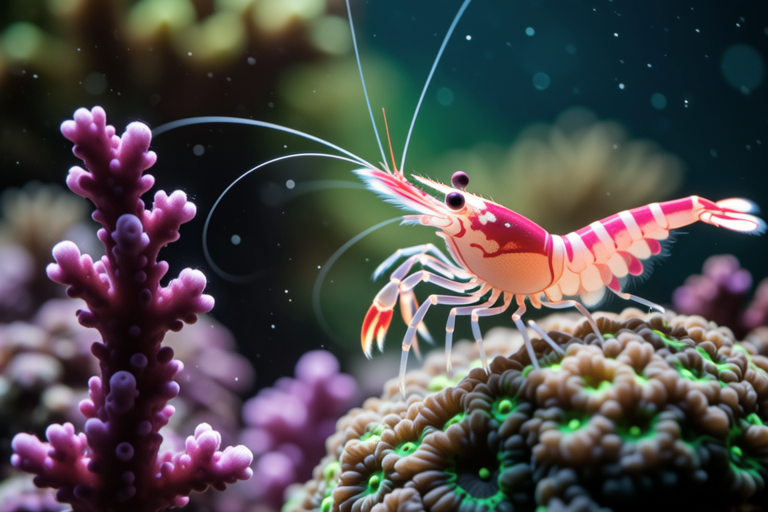
Coral shrimp, also known as cleaner shrimp or peppermint shrimp, are fascinating creatures that can add a unique dynamic to your saltwater aquarium. These shrimp come in various species, each with its own distinct characteristics. Popular species include the scarlet cleaner shrimp (Lysmata amboinensis), the peppermint shrimp (Lysmata wurdemanni), and the skunk cleaner shrimp (Periclimenes longicarpus). Each species is well-suited for different types of aquariums, depending on the environment you wish to create. For instance, the scarlet cleaner shrimp is ideal for reef tanks due to its vibrant red coloration and its beneficial cleaning behavior.
Benefits of Adding Coral Shrimp to an Aquarium Ecosystem
The addition of coral shrimp to your saltwater aquarium brings numerous benefits. Firstly, they serve as natural cleaners, feeding on parasites and detritus, which helps maintain the health of fish and corals. Secondly, their presence can stimulate biological filtration, enhancing the overall water quality. Additionally, coral shrimp contribute to the aesthetic appeal of the aquarium with their vibrant colors and active behavior, making them a joy to watch.
Specific Ways Coral Shrimp Can Enhance Water Quality and Promote Algae Control
Coral shrimp play a crucial role in maintaining water quality by scavenging for uneaten food and dead organisms, reducing organic waste that could otherwise lead to harmful ammonia levels. Their feeding habits also help prevent the buildup of algae, which can be detrimental to the health of corals and other marine life. By keeping algae populations in check, coral shrimp ensure a more balanced and stable aquarium environment.
Detailed Care Instructions Including Diet, Tank Size, and Compatibility with Other Species
To ensure the health and longevity of coral shrimp in your aquarium, it’s essential to provide them with appropriate living conditions. A tank size of at least 20 gallons is recommended for a small group of shrimp, though larger tanks offer more space for exploration and breeding. The water parameters should be maintained at a temperature between 72-78°F, with a pH level of 8.1-8.4, and specific gravity ranging from 1.023 to 1.025. Coral shrimp are omnivorous, so their diet should consist of a variety of foods, including algae wafers, frozen foods like brine shrimp, and occasional pieces of meaty foods such as mysis shrimp. They also benefit from supplemental iodine and calcium supplements, especially in reef tanks.
Compatibility with other species is another important consideration. Coral shrimp generally get along well with most peaceful fish and invertebrates, but it’s best to avoid aggressive or predatory species. Additionally, shrimp may be territorial, so introducing them gradually and providing ample hiding spots can help minimize potential conflicts.
Potential Challenges and Solutions for Maintaining a Healthy Environment with Coral Shrimp
Maintaining a healthy environment for coral shrimp involves addressing several potential challenges. One common issue is the introduction of stressors, such as sudden changes in water parameters or aggressive tank mates. To mitigate these, conduct regular water tests and make gradual adjustments to maintain stable conditions. Another challenge is ensuring sufficient food availability, as insufficient nutrition can lead to malnutrition or increased aggression among shrimp. Providing a varied diet and monitoring feeding habits can help address this.
Additionally, some hobbyists may face difficulties with shrimp reproduction. While coral shrimp can breed in captivity, it requires specific environmental conditions, including proper water chemistry and the presence of a mate. Encouraging breeding can be achieved by providing a diverse and abundant food source, as well as ample hiding spaces for the shrimp to feel secure.
Conclusion Highlighting the Transformative Impact of Coral Shrimp on Aquarium Ecosystems
In conclusion, coral shrimp can have a profoundly transformative effect on your saltwater aquarium ecosystem. Their natural cleaning behaviors and dietary preferences not only enhance water quality but also promote a balanced and healthy environment. By carefully selecting compatible tank mates and providing optimal living conditions, you can ensure the well-being of your coral shrimp and, in turn, the overall health of your aquarium. Incorporating coral shrimp into your saltwater aquarium can bring both aesthetic and functional benefits, making them a valuable addition to any marine enthusiast’s setup.
