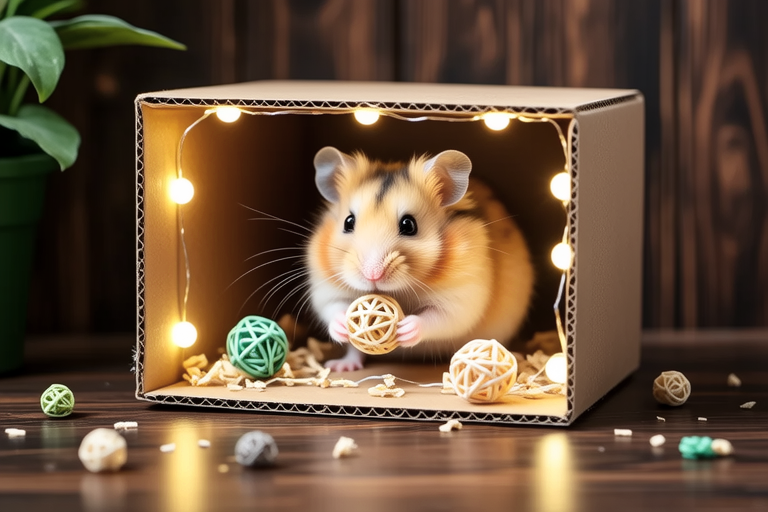
DIY Toys and Enrichment Ideas for Keeping Your Golden Hamster Happy
Understanding Golden Hamster Behavior and Needs
Your golden hamster is more than just a cute little pet; it’s an active and intelligent creature that requires both mental and physical stimulation to thrive. These nocturnal animals are highly energetic and naturally curious, often engaging in digging, running, and exploring behaviors.
Hamsters need ample space to exercise and play, as they are prone to obesity and related health issues if they don’t get enough physical activity. They also require mental stimulation to prevent boredom and stress. Providing a variety of toys and activities can help them stay engaged and mentally stimulated.
Golden hamsters are solitary creatures and should be housed alone to avoid conflicts. They are also territorial and may become aggressive if introduced to another hamster, especially if they have been living separately for some time.
Safety Considerations When Creating DIY Toys
When crafting DIY toys for your golden hamster, safety should always be your top priority. Ensure that all materials used are non-toxic and safe for your pet. Avoid any items that could pose a choking hazard or cause injury, such as small parts, sharp edges, or toxic substances.
It’s important to monitor your hamster’s interaction with new toys closely. If you notice any signs of discomfort or distress, remove the toy immediately. Additionally, check toys regularly for wear and tear, and replace them when necessary to maintain a safe environment.
Some materials that are generally considered safe for hamster toys include untreated wood, cardboard, cotton fabric, and certain types of plastic. Avoid using any materials that might contain harmful chemicals, such as treated wood, synthetic fabrics, or plastics that could release toxins when chewed or ingested.
Variety of Simple and Engaging DIY Toy Ideas Using Common Household Items
Cardboard Tubes and Boxes
Cardboard tubes from paper towels or toilet paper rolls can make excellent tunnels and hiding spots for your hamster. You can connect multiple tubes together to create a complex tunnel system or add them to a larger cardboard box for extra exploration opportunities.
Ensure that the tubes and boxes are clean and free of any glue or ink that could be harmful if ingested. You can also add small holes or cutouts to the boxes to increase the complexity and challenge for your hamster.
Paper Bags and Fabric Scraps
Paper bags and fabric scraps can be used to create cozy bedding and nesting areas. Your hamster will enjoy burrowing into these materials, which can help satisfy its natural instinct to dig and nest.
To make a comfortable nest, crumple up pieces of paper or fabric and place them in a corner of your hamster’s cage. You can also add a small container filled with nesting material for your hamster to carry back to its nest.
Treated Wood Blocks and Puzzles
Untreated wooden blocks can serve as both toys and chews for your hamster. You can also create simple puzzles by drilling small holes in the wood and inserting treats or small objects for your hamster to find.
Make sure the wood is free of any harmful chemicals or treatments before offering it to your hamster. You can also try using small pieces of untreated bamboo or other safe woods for added variety.
Tips for Rotating Toys to Prevent Boredom
Rotating your hamster’s toys regularly is essential to keep them mentally stimulated and prevent boredom. Introduce new toys gradually, allowing your hamster time to explore and adjust to each item. After a week or two, swap out the toys for fresh ones to maintain your hamster’s interest.
Keep a record of the toys you’ve already introduced and plan future rotations accordingly. This way, you can ensure that your hamster has access to a wide variety of stimulating activities throughout the year.
Additionally, consider incorporating interactive elements into your hamster’s routine. For example, you can hide treats around the cage or set up obstacle courses for your hamster to navigate. This can help keep your hamster engaged and entertained between toy rotations.
Advice on Observing Your Hamster’s Interaction with New Toys to Ensure Their Enjoyment and Well-being
Observing your hamster’s interaction with new toys is crucial to ensuring their enjoyment and well-being. Pay attention to how your hamster responds to each toy and look for signs of excitement or disinterest. If your hamster seems uninterested in a particular toy, try offering it again at a later date or replace it with something else.
Be mindful of any potential hazards or discomforts that your hamster may experience while playing with new toys. For example, if your hamster appears to be having difficulty navigating a particular toy or shows signs of distress, remove the toy and try something different.
Encourage positive interactions with new toys by offering treats or praise when your hamster engages with them. This can help build a positive association with playtime and make future introductions easier.
