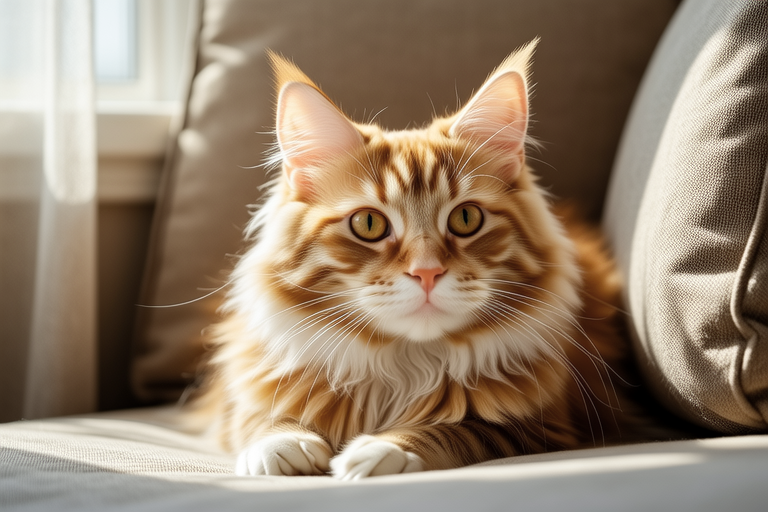
From Sunbeams to Couches: The Joyful World of Orange Cats
Orange cats, with their vibrant coats that seem to capture the warmth of the sun, have long been a source of joy and fascination for cat enthusiasts. Their striking appearance is just the beginning; these felines offer a world of unique personalities, health traits, and care requirements that make them stand out among other cat breeds. This article delves into the delightful world of orange cats, exploring their historical significance, popular breeds, behaviors, and the special bond they share with humans.
The Historical Significance of Orange Cats
Orange cats have been revered throughout history, often associated with royalty and good fortune. In ancient Egypt, cats were worshipped as deities, and their presence was believed to bring prosperity to households. The color orange, symbolizing warmth and energy, has been linked to these feline companions, making them a cherished part of many cultures.
During the Middle Ages, orange cats were thought to ward off evil spirits and protect homes from harm. Their presence was considered a blessing, and they were often kept by families to ensure safety and good luck. This historical context adds a layer of mystique to the already captivating nature of orange cats.
Popular Breeds of Orange Cats
Several cat breeds are known for their stunning orange coats. The Maine Coon, with its bushy tail and tufted ears, is one such breed. These gentle giants are known for their playful demeanor and love for attention. Another popular breed is the Bengal, which combines the beauty of a wild cat with the charm of a domesticated pet. Their sleek, spotted coats and energetic personalities make them a favorite among cat lovers.
The Siamese, though not typically orange, can occasionally sport a striking ginger coat. This breed is famous for its blue almond-shaped eyes and vocal nature, adding an interesting dynamic to the world of orange cats. Each breed brings its own unique characteristics, but all share the common thread of their vibrant, sunny fur.
Unique Personalities of Orange Cats
Orange cats are often described as having a sunny disposition, but their personalities vary widely. Some are independent and reserved, while others are affectionate and clingy. Many orange cats are known for their curiosity and intelligence, often finding ways to entertain themselves or engage with their surroundings.
A study conducted at the University of California, Davis, found that orange cats tend to be more social than their non-orange counterparts. They are often more likely to seek out human interaction and enjoy playing with toys or engaging in activities with their owners. This social nature makes them excellent companions for families and individuals alike.
Health Traits and Care Requirements
While orange cats are generally healthy, they are prone to certain conditions. Hypertrophic cardiomyopathy (HCM), a heart disease, is more common in orange cats than in other breeds. Regular veterinary check-ups are essential to monitor their heart health and catch any issues early.
Dietary considerations are also important. A balanced diet rich in protein and essential nutrients is crucial for maintaining their health. Regular grooming is necessary to keep their coats shiny and free of mats. Providing a stimulating environment with plenty of toys and scratching posts can help prevent behavioral issues and promote mental well-being.
Common Behaviors of Orange Cats
Orange cats are known for their playful and curious nature. They often enjoy chasing after toys and exploring new environments. Many orange cats are adept climbers, often perching themselves on high shelves or windowsills to survey their domain. Their love for heights is a testament to their adventurous spirit.
Socialization is key to ensuring that orange cats develop positive behaviors. Early exposure to different people, animals, and environments can help them become well-adjusted and confident pets. Positive reinforcement training can be used to teach them basic commands and encourage desirable behaviors.
The Bond Between Orange Cats and Humans
The bond between orange cats and their human companions is often described as special. Their playful and affectionate nature makes them ideal companions for families and individuals seeking a loving pet. Many orange cats form strong attachments to their owners, following them around the house and seeking out their company.
Anecdotes abound of orange cats providing comfort and support during difficult times. One such story involves a family who adopted an orange kitten during a period of grief. The kitten’s presence helped them find solace and joy in their daily lives, reminding them of the importance of cherishing the present moment.
Tips for Potential Owners
If you’re considering adopting an orange cat, there are several things to keep in mind. First, ensure that your home is cat-friendly, with plenty of space for them to explore and play. Provide them with comfortable sleeping areas and a variety of toys to keep them entertained.
Socialization is crucial, especially if you plan to introduce the cat to other pets or children. Gradual introductions can help everyone adjust to each other’s presence. Be patient and allow time for bonding to occur naturally.
Regular veterinary care is essential to maintain your cat’s health. Schedule routine check-ups and vaccinations, and stay informed about any potential health concerns specific to orange cats. With proper care and attention, your orange cat can provide years of companionship and joy.
Conclusion
From sunbeams to couches, orange cats bring a world of joy and wonder into our lives. Their unique personalities, historical significance, and charming behaviors make them beloved members of many households. By understanding their health needs and providing them with a loving environment, we can ensure that these special felines continue to brighten our days for generations to come.
