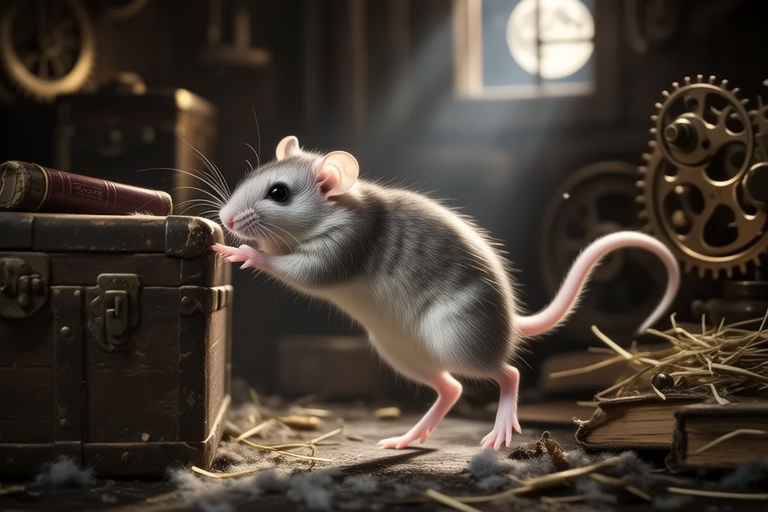
Chinchilla Secrets: Unveiling Their Hidden Behaviors
Chinchillas, those adorable, fluffy creatures often mistaken for oversized rodents, have a rich and intricate world that unfolds when their human companions leave for the day. These nocturnal animals have a fascinating array of behaviors and routines that go unnoticed by most pet owners. From their unique sleeping patterns to their elaborate social interactions and grooming habits, this article delves into the secret life of chinchillas, offering valuable insights for pet owners who wish to understand their pets better.
The Nocturnal Nature of Chinchillas
Chinchillas are crepuscular and nocturnal animals, meaning they are most active during twilight hours and at night. This behavior is an evolutionary adaptation that allows them to avoid predators and take advantage of cooler temperatures during the evening. In the wild, chinchillas inhabit the Andes Mountains of South America, where they seek refuge in rocky crevices during the day and emerge at dusk to forage for food.
When owners are absent, chinchillas engage in a variety of activities that align with their natural circadian rhythms. They explore their living spaces, interact with cage mates, and partake in grooming rituals. Understanding these behaviors can help owners create environments that mimic the chinchilla’s natural habitat, ensuring their pets remain healthy and content.
Sleeping Patterns
Chinchillas require approximately 9 to 14 hours of sleep each day, spread across multiple naps throughout the day and night. Their sleep cycles are influenced by environmental factors such as light exposure and temperature. In captivity, it is essential to provide a consistent routine that mimics their natural environment, including a quiet, dimly lit space for resting.
To promote healthy sleep patterns, owners can consider installing blackout curtains or using soft lighting in the room where the chinchilla resides. Additionally, placing the cage in a location away from direct sunlight and loud noises can help minimize disturbances during sleep. A comfortable bedding material, such as fleece or shredded paper, provides a cozy spot for chinchillas to rest and nap throughout the day.
Social Interactions Within Groups
In the wild, chinchillas live in large colonies of up to 100 individuals. These colonies provide safety in numbers, allowing the animals to defend against predators and share resources. When kept in pairs or small groups, captive chinchillas exhibit complex social behaviors, including play, grooming, and territorial disputes.
Grooming is a crucial aspect of chinchilla social interaction. Chinchillas spend a significant portion of their day cleaning themselves and each other. This activity not only maintains hygiene but also strengthens social bonds. Owners can encourage positive social interactions by providing ample space for their pets to move around and engage in natural behaviors. Multi-level cages with platforms and tunnels allow chinchillas to climb, explore, and interact with each other in a way that simulates their natural habitat.
Owners should be cautious when introducing new chinchillas to an existing group, as conflicts may arise due to territorial instincts. It is advisable to introduce new members gradually and under supervision to ensure a smooth transition.
Grooming Habits
Chinchillas possess incredibly dense fur, which requires constant care to prevent matting and skin issues. In the wild, chinchillas bathe in fine volcanic ash to clean and condition their coats. This behavior is essential for maintaining the health and appearance of their luxurious fur. However, in captivity, chinchillas may not have access to volcanic ash, so owners must provide alternative methods for grooming.
Dust baths are a popular solution for keeping chinchillas’ fur in top condition. Providing a dust bath box filled with chinchilla-safe dust several times a week allows your pet to engage in this natural behavior. Ensure the dust is free from additives and safe for chinchillas to ingest, as they may inadvertently consume some while bathing.
Beyond dust baths, chinchillas also groom themselves and each other through licking and nibbling. This mutual grooming reinforces social bonds and helps distribute oils evenly across the fur. Owners should monitor their pets for signs of over-grooming, which could indicate stress or discomfort. If you notice excessive grooming or bald patches, consult a veterinarian to rule out underlying health issues.
Exploration Activities
Chinchillas are naturally curious and inquisitive creatures, always eager to explore their surroundings. In the wild, they navigate rocky terrain, searching for food and shelter. Captive chinchillas retain this adventurous spirit and will investigate every nook and cranny of their living space.
To stimulate their natural curiosity, owners can incorporate various elements into the chinchilla’s habitat. Providing chew toys made from untreated wood or cardboard encourages gnawing, a behavior essential for maintaining dental health. Additionally, including tunnels, bridges, and platforms in the cage allows chinchillas to climb, jump, and explore different levels, replicating the vertical nature of their natural habitat.
Interactive toys, such as treat-dispensing balls or puzzle feeders, challenge chinchillas mentally and physically. These toys offer mental stimulation, preventing boredom and promoting cognitive development. Rotate toys regularly to keep the environment fresh and exciting for your pet.
Dietary Preferences
Chinchillas have specific dietary needs that must be met to maintain optimal health. Their diet consists primarily of hay, pellets, and fresh water. Hay, particularly Timothy hay, should make up the majority of their diet, providing essential nutrients and promoting digestive health. Pellets formulated specifically for chinchillas offer balanced nutrition and should be provided in limited quantities to prevent obesity.
Fruits and vegetables can be offered as occasional treats but should not form a significant part of the diet. Overfeeding sugary or high-fat foods can lead to weight gain and dental problems. Fresh water should always be available, and it is recommended to use a water bottle rather than a bowl to prevent contamination.
Creating an Enriched Environment
To enrich your chinchilla’s secret life, consider the following habitat design and enrichment tips:
- Multi-Level Cages: Provide a cage with multiple levels and plenty of space for climbing and jumping. Incorporate platforms, tunnels, and bridges to encourage exploration.
- Dust Bath Boxes: Offer regular access to a dust bath box filled with chinchilla-safe dust to maintain coat health.
- Chew Toys: Supply a variety of chew toys made from untreated wood or cardboard to promote dental health.
- Interactive Toys: Introduce treat-dispensing balls, puzzle feeders, and other interactive toys to challenge your pet mentally and physically.
- Variety in Diet: Rotate different types of hay and offer a mix of pellets to keep the diet interesting and nutritious.
- Safe Exploration: Supervise your chinchilla’s time outside the cage and provide a safe, chinchilla-proof area for supervised play.
By understanding and catering to your chinchilla’s natural behaviors and needs, you can create a stimulating and enriching environment that promotes their overall well-being. This approach not only enhances their quality of life but also strengthens the bond between you and your pet.
Conclusion
The secret life of chinchillas is a fascinating world of nocturnal activity, social interaction, and grooming rituals. By understanding their natural behaviors and providing an enriched environment, owners can ensure their pets lead happy, healthy lives. With careful attention to habitat design, dietary preferences, and mental stimulation, chinchillas can thrive in captivity, maintaining the vibrant spirit of their wild counterparts.
