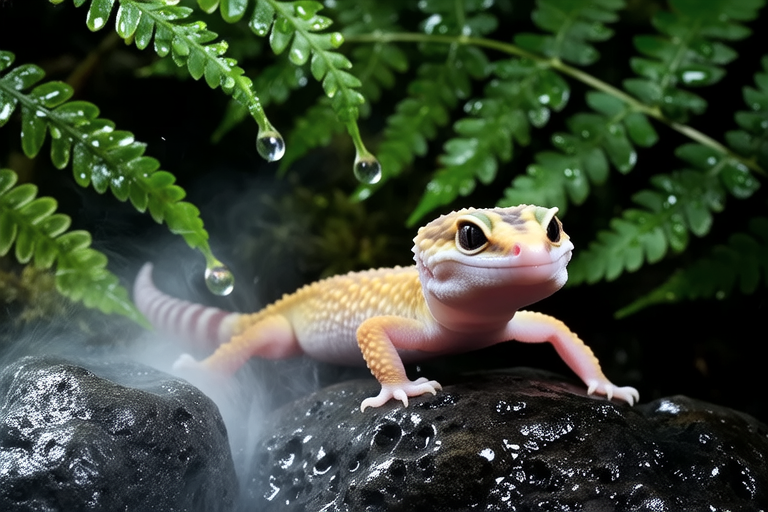
How to Create the Perfect Habitat for Your Chameleon
Chameleons are fascinating creatures known for their unique physical traits and behaviors. Creating the perfect habitat for your chameleon is crucial for its well-being. This comprehensive guide will cover all essential topics to help you set up an ideal environment for your pet chameleon.
Selecting an Appropriate Terrarium Size
The first step in creating the perfect habitat for your chameleon is selecting an appropriate terrarium size. Chameleons are arboreal animals, meaning they spend most of their time in trees. Therefore, a vertical enclosure is more suitable than a horizontal one. For adult chameleons, a terrarium that is at least 4 feet tall and 2 feet wide is recommended. The height is particularly important as it allows your chameleon to climb and move freely. A larger terrarium also provides more space for climbing branches and foliage.
Choosing the Right Lighting Including UVB Requirements
Proper lighting is vital for your chameleon’s health. Chameleons require UVB light to synthesize vitamin D3, which aids in calcium absorption. Without adequate UVB exposure, your chameleon may develop metabolic bone disease. Use a high-quality UVB bulb designed specifically for reptiles. The UVB light should cover approximately 75% of the terrarium’s floor area. Place the UVB bulb within 6-12 inches of where your chameleon will bask, ensuring it can receive optimal UVB exposure. Additionally, provide a basking spot with a heat lamp that reaches around 90-100°F (32-38°C). This setup mimics the sun’s rays and helps regulate your chameleon’s body temperature.
Setting Up the Correct Temperature and Humidity Gradients
Maintaining the correct temperature and humidity gradients is essential for your chameleon’s health. Chameleons are ectothermic, meaning they rely on external sources to regulate their body temperature. The temperature gradient within the terrarium should range from 75-85°F (24-29°C) on the cool side to 90-100°F (32-38°C) on the warm side. You can achieve this by placing the heat lamp on one side of the terrarium. The cool side should be slightly cooler to allow your chameleon to thermoregulate effectively. Similarly, maintain humidity levels between 50-70%. Mist the terrarium twice daily using a spray bottle or automatic misting system to ensure your chameleon stays hydrated and the environment remains moist.
Providing Suitable Substrate
The substrate you choose for your chameleon’s habitat is important for its health. Avoid substrates like sand or gravel, as these can cause impaction if ingested. Instead, opt for a non-particle substrate such as paper towels, reptile carpet, or coconut fiber. These substrates are easy to clean and pose no risk to your chameleon. Regularly remove waste and replace the substrate as needed to maintain hygiene and prevent bacterial growth.
Creating Hiding Spots and Climbing Areas
Chameleons need hiding spots and climbing areas to feel secure and exercise. Provide branches of varying thickness and diameters for climbing. Ensure the branches are securely placed and stable to prevent accidents. You can also add artificial vines or ropes for additional climbing opportunities. Incorporate hide boxes or small shelters made of cork bark or hollow logs. These hiding spots provide a sense of security and privacy for your chameleon, promoting stress-free living.
Incorporating Live or Artificial Plants
Live or artificial plants are essential for creating a naturalistic environment for your chameleon. Plants not only add aesthetic appeal but also provide additional hiding spots and perching areas. If using live plants, choose species that are safe for chameleons, such as Ficus benjamina or Schefflera arboricola. Ensure the plants are pesticide-free and free from harmful chemicals. Alternatively, you can use artificial plants made from safe materials like silk or plastic. These plants are durable and do not require regular maintenance, making them a convenient option.
Ensuring Proper Ventilation
Proper ventilation is crucial to prevent the buildup of harmful bacteria and fungi in the terrarium. Ensure there are adequate airflows throughout the enclosure. You can achieve this by installing screen mesh on the sides of the terrarium. Avoid using glass or acrylic panels, as they can trap moisture and restrict airflow. Regularly check the ventilation system to ensure it is functioning correctly and that your chameleon has access to fresh air.
Maintaining Cleanliness
Maintaining cleanliness in your chameleon’s habitat is essential for its health. Regularly clean the terrarium, removing waste and soiled substrate. Disinfect the enclosure and accessories using a reptile-safe disinfectant every few weeks. Pay special attention to areas where your chameleon spends most of its time, such as basking spots and hide boxes. Clean water bowls daily and replace the water with fresh, clean water. By keeping the habitat clean, you reduce the risk of infections and illnesses.
Tips on Monitoring Your Chameleon’s Health and Behavior
Monitoring your chameleon’s health and behavior is crucial for early detection of any issues. Observe your chameleon’s appetite, activity level, and overall appearance regularly. A healthy chameleon will have bright eyes, a robust posture, and consistent eating habits. If you notice any changes in behavior, such as lethargy, loss of appetite, or abnormal skin coloration, consult a veterinarian specializing in reptiles. Regularly weigh your chameleon to track its growth and ensure it is maintaining a healthy weight. By staying vigilant and proactive, you can address potential problems before they become severe.
Importance of Mimicking Their Natural Environment
Mimicking your chameleon’s natural environment is crucial for its well-being. Chameleons are adapted to specific environmental conditions, and replicating these conditions in captivity ensures their physical and mental health. Providing a suitable habitat that includes proper lighting, temperature, humidity, substrate, hiding spots, climbing areas, and plants promotes natural behaviors and reduces stress. By creating an environment that closely resembles their natural habitat, you enhance your chameleon’s quality of life and longevity.
In conclusion, creating the perfect habitat for your chameleon requires careful consideration of various factors. By selecting an appropriate terrarium size, choosing the right lighting, setting up the correct temperature and humidity gradients, providing suitable substrate, creating hiding spots and climbing areas, incorporating live or artificial plants, ensuring proper ventilation, and maintaining cleanliness, you can provide your chameleon with a thriving environment. Regularly monitor your chameleon’s health and behavior to ensure it is thriving in its habitat. By mimicking their natural environment, you contribute to their well-being and longevity, allowing you to enjoy the company of these fascinating creatures for years to come.
