From Exotic to Perfect Pet: Everything You Need to Know About the Chilean Rose Tarantula
The Chilean Rose tarantula (Grammostola rosea) is one of the most popular choices among arachnid enthusiasts looking for a unique and captivating pet. These tarantulas are known for their manageable size, docile nature, and vibrant coloration, making them ideal for beginners and experienced keepers alike. In this comprehensive guide, we will explore the world of the Chilean Rose tarantula, covering everything from their habitat requirements to common health issues, and providing valuable care tips for both novice and seasoned owners.
The Unique Appeal of the Chilean Rose Tarantula
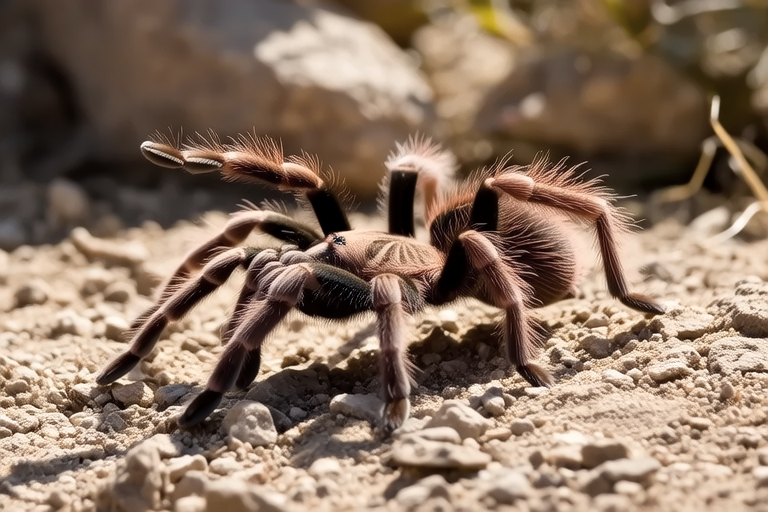
Chilean Rose tarantulas are small to medium-sized spiders that typically grow to about 4 to 6 inches in leg span. Their compact size makes them easy to house and handle compared to larger tarantula species. Moreover, they have a relatively docile temperament, which means they are less likely to bite or display aggressive behavior towards humans. Their vibrant coloration, ranging from light pink to deep red, adds to their aesthetic appeal, making them a visually striking addition to any terrarium.
Habitat Requirements
Creating an optimal environment for your Chilean Rose tarantula is crucial for their well-being. The enclosure should be spacious enough to allow the tarantula to move around freely but also provide hiding spots and vertical structures for climbing. A 10-gallon tank is generally sufficient for a single adult tarantula. Ensure that the enclosure has a secure lid to prevent escapes.
Temperature and humidity play significant roles in maintaining the health of your tarantula. The ideal temperature range for a Chilean Rose tarantula is between 75°F and 85°F (24°C to 29°C). Humidity should be kept at around 60% to 70%. This can be achieved by misting the substrate occasionally and providing a shallow water dish. It’s important to monitor these conditions regularly using thermometers and hygrometers.
The substrate used in the enclosure should mimic the natural environment of the tarantula. A layer of coconut fiber, peat moss, or a mixture of sand and soil works well. This substrate should be deep enough to allow the tarantula to burrow comfortably. Additionally, include some cork bark or other suitable materials for hiding and climbing.
Diet Specifics
Feeding your Chilean Rose tarantula is straightforward. They are carnivorous and primarily feed on insects. Younger tarantulas can be fed small crickets or mealworms every few days, while adults can be fed once a week. The size of the prey should be appropriate for the tarantula’s mouthparts; it shouldn’t exceed half the width of the spider’s body. Gut loading the insects with nutritious food before feeding them to the tarantula ensures better nutrition.
It’s essential to remove uneaten prey after a reasonable time to prevent stress or injury to the tarantula. Overfeeding can lead to obesity, so monitor your tarantula’s appetite and adjust feeding frequency accordingly.
Common Health Issues
Like all animals, Chilean Rose tarantulas can suffer from various health issues if not properly cared for. One common issue is dehydration, which can occur if the humidity levels in the enclosure are too low. Signs of dehydration include dry skin and lethargy. Ensuring proper hydration through regular misting and a water dish can prevent this problem.
Molting is a natural process for tarantulas but can sometimes go awry. During molting, the tarantula sheds its exoskeleton. If the process is interrupted or the tarantula becomes stuck, it can result in serious complications. To help ensure a successful molt, maintain consistent environmental conditions and avoid disturbing the tarantula during this period.
Another common issue is regurgitation, where the tarantula vomits up undigested food. This can happen if the tarantula is stressed or if the prey item is too large. Regurgitation can lead to impaction if not addressed promptly. Feeding appropriately sized prey and reducing stress in the enclosure can minimize this risk.
Care Tips for Beginners
Setting up the right enclosure is crucial for the well-being of your Chilean Rose tarantula. Start by selecting a tank that provides ample space and includes necessary accessories like hiding spots and climbing structures. Use a substrate that allows for burrowing and maintains appropriate moisture levels.
Establishing a consistent feeding schedule is vital. Feed younger tarantulas more frequently and reduce the frequency as they mature. Always observe your tarantula’s eating habits and adjust the feeding schedule accordingly.
Handling your tarantula should be done carefully and infrequently. Tarantulas don’t enjoy being handled, and excessive handling can cause stress. When handling is necessary, gently pick up the tarantula with cupped hands to avoid causing injury. Never grab or squeeze the tarantula.
Social Behavior
Chilean Rose tarantulas are solitary creatures by nature. They prefer to live alone and can become stressed or aggressive when housed with other tarantulas. While it’s tempting to keep multiple tarantulas together, especially for those who want to create a colony, it’s best to keep each tarantula in its own enclosure. This not only reduces stress but also prevents potential conflicts.
Handling and Interacting Safely
Interacting with your Chilean Rose tarantula requires patience and caution. Tarantulas are not pets that you can cuddle or play with like dogs or cats. Instead, they are best observed from a distance. When handling is necessary, such as moving them to a different enclosure or cleaning their habitat, always approach them gently and slowly.
Use cupped hands to pick up the tarantula, allowing it to climb onto your hands naturally. Avoid squeezing or pinching the tarantula, as this can cause injury or stress. If the tarantula feels threatened, it may flick urticating hairs from its abdomen. These hairs can cause irritation to the handler’s skin and eyes, so it’s important to wear protective gloves and eyewear when handling.
Regular interaction with your tarantula can help it become accustomed to your presence, reducing stress during handling. However, always respect the tarantula’s need for solitude and limit handling to necessary tasks.
In conclusion, the Chilean Rose tarantula is a fascinating and rewarding pet for those interested in exotic animals. By understanding their specific needs and providing proper care, you can ensure that your tarantula thrives in its new home. Whether you’re a first-time keeper or an experienced enthusiast, taking the time to learn about the unique characteristics and care requirements of the Chilean Rose tarantula will enrich your experience and deepen your connection with these amazing creatures.
