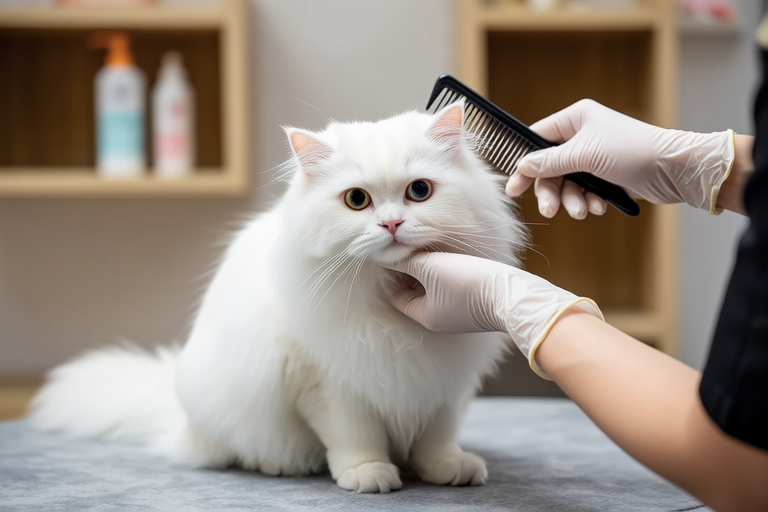
How to Groom a Persian Cat Like a Pro: Tips and Tricks
Persian cats are known for their luxurious, long, and dense coats that make them look like living works of art. However, this beauty comes with a price – these felines require more grooming than most other breeds. Their thick fur can easily become matted, and their facial structure makes them prone to tear staining and eye infections. Proper grooming is essential to keep your Persian cat healthy and happy. In this guide, we will walk you through the steps of grooming a Persian cat like a pro, covering everything from brushing techniques to bathing methods and beyond.
Brushing Techniques
The cornerstone of Persian cat grooming is regular brushing. This helps prevent matting, distributes natural oils throughout the coat, and keeps your cat’s skin healthy. Use a high-quality slicker brush designed specifically for long-haired cats. Begin by gently brushing against the grain to remove loose hair and debris. Then, switch to brushing with the grain to smooth out the coat and reduce tangles. Be thorough but gentle, especially around sensitive areas like the face and paws.
If you encounter stubborn mats or knots, use a wide-toothed comb to carefully work them out. Always proceed slowly and patiently to avoid pulling or hurting your cat. If the mat is particularly tight, consider trimming it away with sharp, blunt-nosed scissors rather than attempting to comb it out. Never use scissors near the skin or on deep mats, as this could cause injury.
Bathing Methods
Bathing a Persian cat might seem daunting, but with the right approach, it can be a smooth process. Start by gathering all necessary supplies: a cat-specific shampoo, conditioner, towels, and a rubber mat for traction. Fill a sink or basin with warm water and place the rubber mat inside to prevent slipping.
Gradually introduce your cat to the water by placing its paws in the shallow end first. Once your cat is comfortable, gently wet its entire body, avoiding the head and ears. Apply a small amount of cat-safe shampoo and work it into a lather, paying extra attention to oily areas like the back and tail. Rinse thoroughly, ensuring no soap remains. Follow up with a conditioner if desired, focusing on the same areas as before.
Wrap your cat in a towel and gently pat dry. Avoid rubbing vigorously, as this can irritate the skin. Allow your cat to air-dry in a warm room or use a low-heat blow dryer on the lowest setting, keeping it at least six inches away from your cat’s body.
Nail Trimming
Nail trimming is an important part of a Persian cat’s grooming routine. Overgrown nails can lead to discomfort and even pain. To trim your cat’s nails, you’ll need a pair of sharp, blunt-nosed clippers and styptic powder (a clotting agent) in case of bleeding.
Start by getting your cat used to having its paws handled. Gently press on each toe to extend the nail, revealing the quick (the blood vessel inside the nail). Trim only the tip of the nail, taking care not to cut into the quick. If you accidentally do so, apply styptic powder to stop any bleeding. Reward your cat with treats and praise after each successful session to reinforce positive behavior.
Ear Cleaning
Persian cats are prone to ear infections due to their flattened faces and narrow ear canals. Regular ear cleaning helps prevent these issues. Use a cotton ball or soft cloth and a cat-safe ear cleaner recommended by your veterinarian. Gently wipe the outer ear flap and the inside of the ear canal, being careful not to insert anything into the ear canal itself. If your cat shows signs of discomfort or excessive discharge, consult your vet immediately.
Dental Care
Good oral hygiene is crucial for your Persian cat’s overall health. Brush your cat’s teeth regularly using a toothbrush and toothpaste formulated for cats. If your cat resists, try offering treats or toys that promote dental health. Additionally, provide chew toys or dental treats to help maintain strong teeth and gums.
Tips for Common Grooming Challenges
Matt Prevention
To prevent matting, brush your Persian cat daily. If you notice small tangles forming, address them promptly before they turn into larger problems. Consider using a detangling spray to make brushing easier.
Tear Staining
Tear staining can be unsightly and may indicate underlying health issues. Keep your Persian cat’s eyes clean by wiping them daily with a damp cloth. If staining persists, consult your veterinarian to rule out medical conditions such as allergies or infections.
Maintaining a Regular Grooming Schedule
Consistency is key when it comes to grooming your Persian cat. Establish a routine that works for both you and your cat, and stick to it. This will make grooming less stressful for both of you and ensure your cat stays healthy and well-groomed.
The Importance of Patience and Positive Reinforcement
Grooming sessions can be stressful for some cats, but with patience and positive reinforcement, you can create a positive experience for both you and your cat. Praise your cat and offer treats throughout the process to build trust and reduce anxiety. Over time, your cat will come to associate grooming with positive experiences.
