Betta Bullying? How to Prevent Aggression Between Male Bettas
Male betta fish, also known as Siamese fighting fish, are renowned for their vibrant colors and flowing fins. However, their striking appearance comes with a reputation for aggression, especially among males. Understanding betta fish aggression and how to prevent it is crucial for any aquarist looking to maintain a peaceful and healthy aquatic environment. This article delves into the nuances of betta fish aggression, providing comprehensive guidance on creating a stress-free habitat for your betta companions.
Understanding Betta Fish Aggression
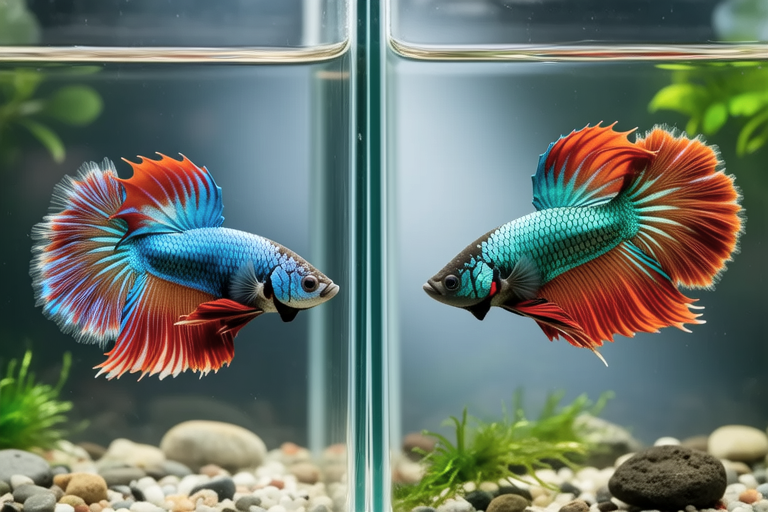
Betta fish aggression is a well-documented behavior that primarily manifests between males. This aggression can range from mild displays of dominance to intense physical confrontations. Common triggers include reflections of other bettas, mirrors, or even shadows that resemble potential rivals. The intensity of this behavior can vary depending on factors such as age, health, and environmental conditions.
The Natural Behavior of Male Bettas
Male bettas are inherently territorial creatures. In the wild, they defend their territory against other males to secure resources like food and breeding grounds. This territoriality is deeply ingrained in their nature, making them highly sensitive to the presence of other males. Their aggression is not merely a behavioral quirk but a survival mechanism developed over millennia. Recognizing and respecting this natural behavior is key to preventing conflicts in captivity.
Setting Up Separate Tanks for Each Betta
To ensure the safety and well-being of your bettas, it’s essential to provide each one with its own tank. This setup not only minimizes the risk of aggression but also allows for individualized care tailored to each fish’s specific needs.
Selecting the Right Tank Size
Adequate space is crucial for reducing stress and promoting healthy behavior. A minimum tank size of 5 gallons is recommended for a single betta. Larger tanks, such as 10 gallons, offer more swimming room and can accommodate additional decor, enhancing the fish’s environment. It’s important to note that overcrowding can exacerbate aggressive tendencies, so always opt for the largest tank feasible within your space constraints.
Decorating the Tank
Proper tank decoration can significantly influence your betta’s mood and activity levels. Incorporate plants, rocks, and caves to create hiding spots and establish distinct territories. Live plants, such as Java ferns and Amazon swords, are excellent choices as they improve water quality while providing natural cover. Artificial plants and driftwood can also be used, ensuring a variety of textures and visual interest.
Water Conditions
Maintaining optimal water conditions is paramount for betta health and behavior. Bettas prefer slightly acidic water with a pH level between 6.8 and 7.2. Water temperature should be maintained at around 78-82°F (25-28°C). Regular water changes, approximately 25% weekly, are essential to keep the environment clean and stable. Utilize a reliable filtration system to ensure water circulation and oxygenation, but avoid overly powerful filters that might cause stress.
Feeding and Maintaining a Healthy Environment
Proper nutrition plays a vital role in managing betta aggression. Feed your bettas a balanced diet comprising high-quality pellets and occasional treats like bloodworms or brine shrimp. Avoid overfeeding, as excess food can lead to poor water quality and stress. Establish a consistent feeding schedule to minimize competition and promote calmness during meal times.
Regular maintenance is equally important. Test the water parameters regularly to monitor pH, ammonia, nitrite, and nitrate levels. Address any imbalances promptly to prevent stress and illness. Additionally, perform routine tank cleaning to remove debris and ensure a clean environment.
Recognizing Signs of Stress or Bullying
Despite your best efforts, signs of stress or bullying may still occur. Common indicators include frequent hiding, loss of appetite, fin nipping, and lethargy. If you notice these signs, it’s essential to reassess the tank setup and conditions. Consider adjusting decorations, water parameters, or even seeking professional advice if necessary.
In cases of severe aggression or persistent stress, consulting a veterinarian specializing in aquatic life can provide valuable insights and solutions. Professional assistance can help diagnose underlying issues and recommend appropriate treatments or adjustments to the tank environment.
Conclusion
Preventing aggression between male bettas requires a thoughtful approach that respects their natural behaviors and provides optimal living conditions. By understanding the triggers of aggression, setting up appropriate tanks, and maintaining a healthy environment, you can ensure your bettas live harmoniously. Remember, a well-cared-for betta is a happy betta, and a happy betta makes for a delightful addition to any aquarium.
