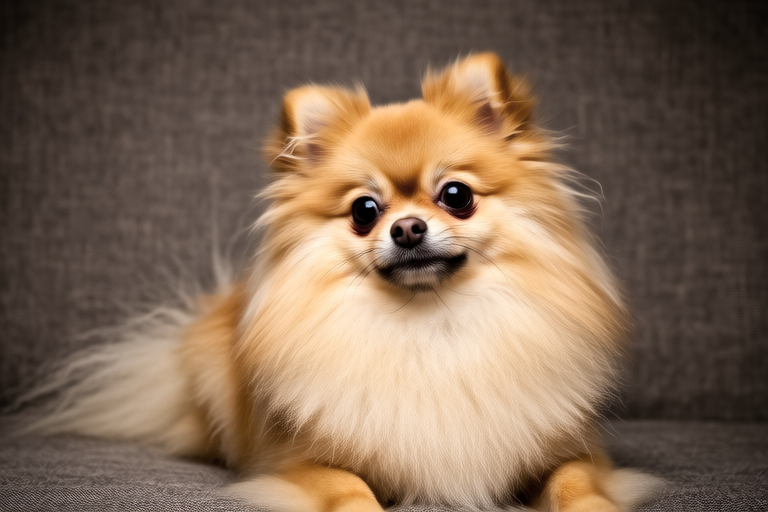
From Fluffy Companion to Furry Friend: All About Pomeranians
Welcome to the world of Pomeranians! These tiny, fluffy dogs have captured hearts worldwide with their charming personalities and striking appearance. Originally hailing from the Pomerania region in Northern Europe, Pomeranians were once much larger sled-pulling dogs. Over centuries of selective breeding, they have evolved into the small, energetic companions we know today. Their diminutive size and playful nature make them popular pets, especially among city dwellers and those who prefer smaller dogs.
Physical Characteristics
Pomeranians are known for their luxurious double coats that come in a variety of colors, including orange, cream, black, and sable. Their plush outer coat is long and straight, while their undercoat is dense and soft. The tail, which is one of their most distinctive features, is set high and curls over the back like a fox’s brush. Typically, Pomeranians weigh between 3 to 7 pounds and stand about 6 to 7 inches tall at the shoulder. Despite their small stature, they possess a sturdy build, with a broad chest and strong legs. One of the most endearing aspects of their appearance is their expressive face, complete with large, dark eyes and alert, triangular-shaped ears.
Temperament
Known for their vivacious and sociable nature, Pomeranians love to be the center of attention. They are highly intelligent and can be quite independent, but they thrive on human interaction. This breed is generally good with children, provided they are treated gently. However, due to their small size, they may not always appreciate rough play. Pomeranians are also loyal and protective, often barking to alert their owners of strangers or unusual sounds. Their alertness makes them excellent watchdogs despite their petite size.
One memorable story involves a Pomeranian named Bella, who was known for her constant vigilance. Bella would bark whenever anyone approached the house, even if it was just the mail carrier. Her owner found it amusing and endearing, though it did lead to a few humorous confrontations with neighbors!
Health Issues
Like many small breeds, Pomeranians are prone to certain health issues. Common conditions include luxating patellas (dislocated kneecaps), tracheal collapse, and dental problems. Regular veterinary check-ups are essential to catch and manage these issues early. Obesity is another concern, as Pomeranians have a tendency to overeat. Maintaining a healthy weight through proper diet and exercise is crucial for their overall well-being.
Dietary Needs
A balanced diet is vital for a Pomeranian’s health. High-quality dog food designed for small breeds is recommended, ensuring it contains all necessary nutrients. Avoid overfeeding, as this can lead to obesity. It’s important to consult with your veterinarian to determine the appropriate amount of food based on your Pomeranian’s age, activity level, and specific health needs. Treats should be given sparingly and should complement rather than replace meals.
Grooming Requirements
The thick, double coat of a Pomeranian requires regular grooming to keep it in top condition. Brushing should be done several times a week to prevent matting and tangling. During shedding seasons, daily brushing may be necessary. Professional grooming every few months can help maintain their appearance and ensure their coat remains healthy. Additionally, regular nail trimming, ear cleaning, and teeth brushing are important to prevent infections and other health issues.
Exercise Routines
Despite their small size, Pomeranians are full of energy and require regular exercise to stay healthy and happy. Daily walks or play sessions in a secure area are ideal. Indoor activities such as hide-and-seek or fetch can also provide mental stimulation and physical activity. It’s important to note that Pomeranians are not overly tolerant of extreme temperatures, so outdoor activities should be adjusted accordingly. In hot weather, limit time outside and provide plenty of shade and water.
Training and Socialization
Training a Pomeranian can be both rewarding and challenging. Early socialization is key to helping them become well-adjusted adults. Expose them to different people, animals, and environments from a young age to reduce fearfulness and aggression. Positive reinforcement techniques work best with this breed. Use treats, praise, and affection to reward good behavior. Consistency is crucial; setting clear boundaries and rules will help your Pomeranian understand what is expected of them.
A friend shared a story about her Pomeranian, Max, who had difficulty learning basic commands initially. She found that using clicker training made a significant difference. Max responded positively to the sound of the clicker, associating it with rewards and becoming more responsive to commands.
Advice for Potential Owners
If you’re considering adding a Pomeranian to your family, there are a few things to keep in mind. First, be prepared for the commitment involved in caring for a small dog. Pomeranians need regular attention, grooming, and exercise. Second, consider whether your living environment suits a Pomeranian. While they adapt well to apartment living, they still require space to move around and play. Lastly, think about your lifestyle and how it aligns with the needs of a Pomeranian. Are you home frequently enough to provide the attention and care they need? Are you willing to invest time in training and socializing?
Adopting a Pomeranian can bring immense joy and companionship. With the right care and attention, they can become cherished members of your family. Whether you’re a seasoned pet owner or new to the world of dogs, a Pomeranian can offer years of love and loyalty.
