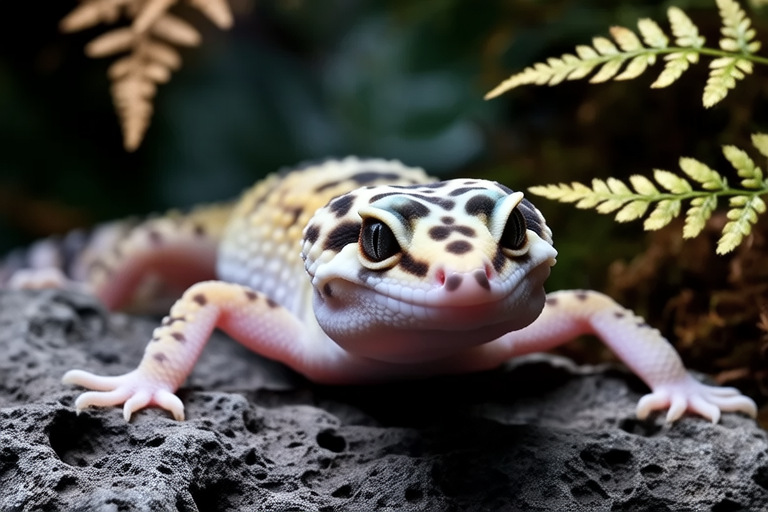
Debunking Common Myths About Chameleons
Introduction
Chameleons are fascinating creatures known for their unique characteristics. These reptiles, belonging to the family Chamaeleonidae, are found in various parts of the world, particularly in Africa, Madagascar, and parts of southern Europe and Asia. They are renowned for their ability to change color, their independently rotating eyes, and their long, sticky tongues used to catch prey. Despite their popularity as pets and their intriguing nature, many misconceptions surround these animals. This article aims to dispel five common myths about chameleons, offering insights based on scientific evidence and expert opinions.
Myth 1: Chameleons Change Color to Blend In With Their Environment
The most widely held belief about chameleons is that they change color to blend into their surroundings. While this idea seems logical, it’s not entirely accurate. Chameleons can indeed alter their color, but their primary motivation isn’t camouflage. Instead, color changes serve multiple purposes, including communication and temperature regulation. Research indicates that chameleons change color through specialized cells called chromatophores, which expand or contract to display different hues. Experts suggest that these color shifts are more about signaling emotions and intentions than hiding from predators.
Myth 2: Chameleons Can Only See in One Direction at a Time
Another prevalent myth is that chameleons can only see in one direction at a time due to their eyes’ independent movement. This notion is misleading. While it’s true that chameleons have the remarkable ability to rotate their eyes separately, allowing them to have a nearly 360-degree field of vision, they don’t see in just one direction simultaneously. This adaptation allows chameleons to scan their environment efficiently, ensuring they’re always aware of potential threats or food sources. Contrary to popular belief, they can focus on objects in front of them while keeping an eye out behind, making them highly alert and efficient hunters.
Myth 3: Chameleons Are Easy Pets
The misconception that chameleons make easy pets is a significant concern among potential owners. While chameleons are captivating creatures, they require specialized care that can be challenging for beginners. Unlike other reptiles, chameleons need specific environmental conditions, such as high humidity levels, appropriate temperatures, and UVB lighting for vitamin D synthesis. Additionally, their diet consists mainly of insects, requiring owners to source live food regularly. Experts recommend thorough research and preparation before deciding to keep a chameleon as a pet to ensure both the animal’s well-being and the owner’s satisfaction.
Myth 4: Chameleons Don’t Need Social Interaction
There’s a common belief that chameleons are solitary creatures that don’t require social interaction. While chameleons are naturally solitary in the wild, they can still benefit from interactions with humans. In captivity, gentle handling and regular interaction can help reduce stress and improve overall health. It’s essential to handle chameleons carefully, as they are delicate animals that may become stressed if mishandled. Experts advise against overcrowding enclosures or housing multiple chameleons together, as this can lead to territorial disputes and stress-related illnesses. However, regular, gentle interaction can contribute positively to their well-being.
Myth 5: Chameleons Can Survive on a Limited Diet
One of the most dangerous myths about chameleons is that they can survive on a limited diet. In reality, chameleons have specific dietary needs that must be met to maintain their health. Their diet primarily consists of insects, which should be varied to ensure they receive all necessary nutrients. Additionally, gut-loading insects (feeding insects a nutritious diet before offering them to the chameleon) and dusting them with supplements are crucial practices. Neglecting these dietary requirements can lead to nutritional deficiencies, metabolic bone disease, and other serious health issues. It’s vital for chameleon owners to invest time in understanding and meeting their pet’s nutritional needs.
General Advice for Chameleon Owners
Providing optimal care for your chameleon involves creating an environment that mimics its natural habitat. This includes maintaining appropriate temperature and humidity levels, offering a balanced diet, and ensuring adequate lighting for UVB exposure. Regular veterinary check-ups are also recommended to monitor your chameleon’s health and address any potential issues early. By educating yourself about chameleon care and being attentive to your pet’s needs, you can ensure a happy and healthy life for your chameleon.
Call to Action
We encourage all chameleon enthusiasts to continue learning about these fascinating creatures. Whether you’re a seasoned owner or considering adopting a chameleon, there’s always more to discover. Reach out to local reptile clubs, consult with veterinarians specializing in exotic pets, or explore online resources for additional information. If you have specific questions or need guidance, feel free to ask; we’re here to support you in your journey of chameleon ownership.
